
Retailers in Prague and beyond are currently facing scrutiny over their pricing strategies, with recent practices highlighting markups as high as 150%. This rise in retail prices has sparked a debate about the fairness and sustainability of such pricing strategies.
The Impact of Inflation on Retail Pricing

Inflation has been a significant factor influencing retail prices across Europe. In the Czech Republic, rising costs of raw materials and transportation have been passed on to consumers, resulting in increased retail prices. Retailers argue that this is necessary to maintain profitability amidst economic challenges, but consumers are increasingly questioning whether these hikes are justified.
Many store owners point to increased operational costs, including energy and wages, as reasons for the high markups. However, consumer rights groups are advocating for transparency, arguing that not all price increases are substantiated by corresponding rises in operational expenses.
Consumer Reactions and Buying Behavior

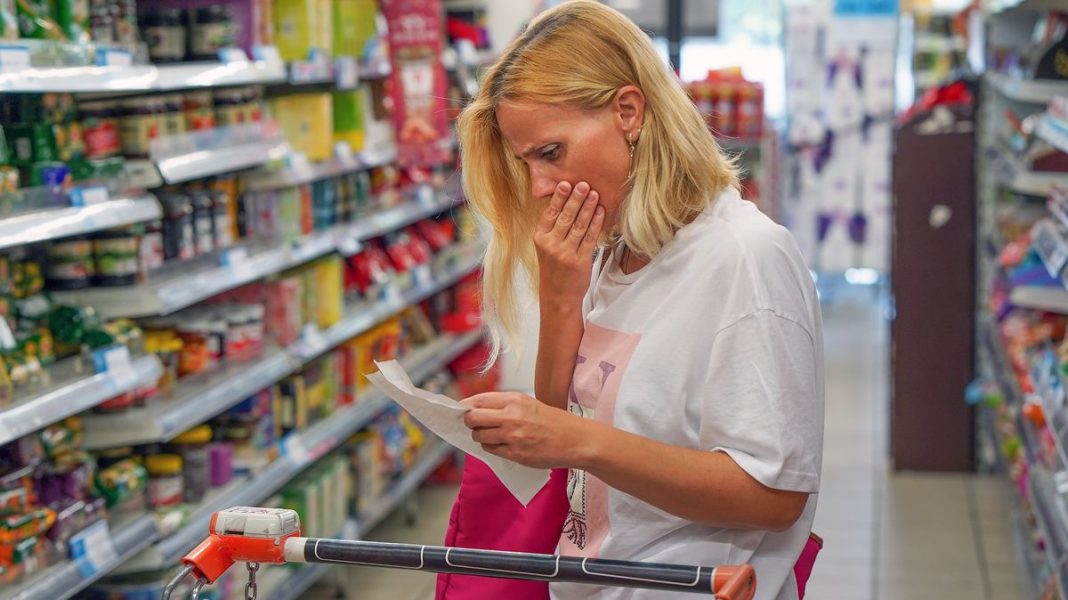
The higher prices have led to shifts in consumer behavior. Some shoppers are turning to alternative options, such as online marketplaces or foreign retailers, while others are cutting back on non-essential purchases. This change in buying habits reflects a growing demand for fair pricing strategies in the retail sector.
Public sentiment has significantly swayed towards demanding better explanations from retailers on how prices are determined. Increased awareness and discussions on platforms like social media have empowered consumers to challenge retail practices they consider exploitative.
Retailer Justifications and Strategies
Retailers have defended the markup by pointing to broader economic issues that affect all sectors. They highlight the complexity of supply chains and note that disruptions can lead to unforeseen expenses, which naturally affect pricing structures.
In response, some businesses are exploring more sustainable solutions, such as sourcing locally and optimizing logistics to mitigate cost increases without imposing excessively high markups. This approach not only potentially lowers costs but also appeals to environmentally conscious consumers.
Regulatory Insights and Future Outlook

The Czech government, along with other European authorities, is closely monitoring these pricing trends. Discussions are underway surrounding potential regulations that could enforce greater transparency in how retail prices are set. Such measures aim to ensure that consumers are not unduly burdened by inflated costs.
If implemented, these regulations could drastically change the retail landscape, fostering an environment where fairness and transparency become central to pricing strategies. Observers suggest this could lead to a more balanced retail ecosystem, benefiting both businesses and customers.
As the situation unfolds, stakeholders from consumers to regulators will watch closely how retailers adjust their strategies. It remains to be seen whether voluntary actions or enforced regulations will bring the level of fairness that is currently demanded.