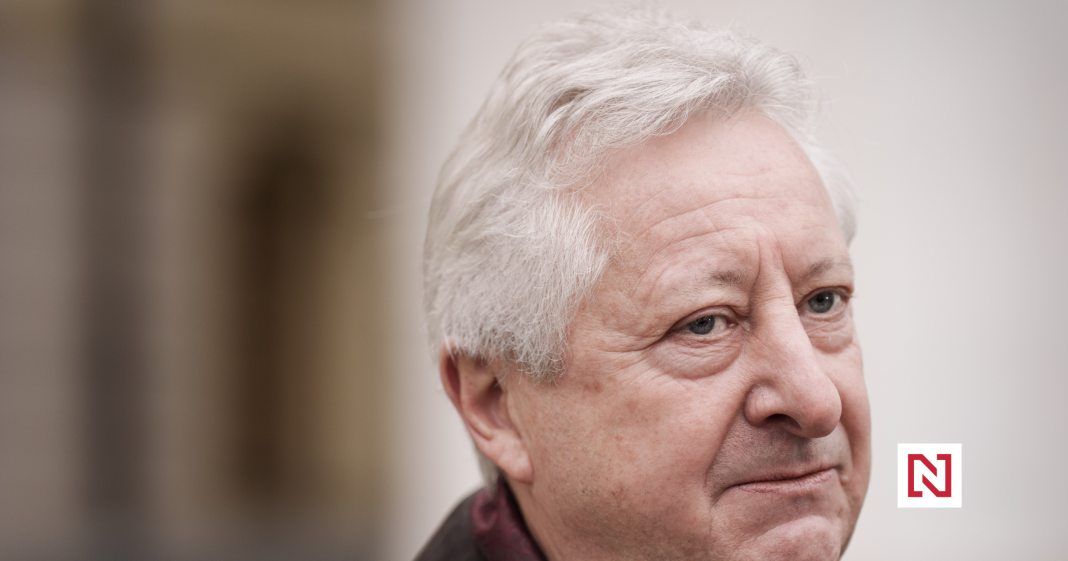

In a controversial move that has sparked widespread debate, Antonin Zůna has joined the Czech government amidst allegations of holding pro-Russia sentiments. This decision has stirred public and political circles in Prague, bringing both criticism and cautious support.
Background of the Allegations

Antonin Zůna’s appointment has been shadowed by accusations related to his alleged support for Russia. These claims have been a topic of contention in Czech political discussions, as the nation has been increasingly sensitive to international alignments. Critics argue that Zůna’s previous statements and affiliations suggest a predisposition towards Russian interests, which many find troubling given the broader geopolitical climate.
Although Zůna has denied these allegations, questions remain about his foreign policy views and how they align with the current government’s stance. This has led to calls for greater transparency and a reevaluation of his appointment, emphasizing the need for accountability in political affiliations.
Political Reactions in Prague

The backlash over Zůna’s new role has been swift, with several political parties and public figures expressing discontent. Opposition leaders have demanded an explanation from Prime Minister Petr Fiala, urging a reconsideration of Zůna’s position. They argue that his alleged pro-Russia stance could harm Czechia’s international relations and domestic unity.
Despite the outcry, some political supporters maintain that Zůna brings valuable expertise to the government. They believe his past experiences and perspectives could benefit the country, particularly in economic and infrastructure matters.
Public Sentiment and Media Coverage

The Czech public has been divided on this issue. Some citizens have taken to social media to voice their opposition, calling for Zůna’s resignation. Meanwhile, others see this as a political witch hunt, driven by unfounded rumors and political rivalry.
Media coverage has been extensive, analyzing Zůna’s career and previous public statements. This has fueled the debate, as commentators and analysts discuss the implications of his appointment on Czech foreign policy.
Implications for Czech Foreign Policy

Zůna’s appointment may have significant implications for Czechia’s foreign policy. If his alleged pro-Russia stance influences government decisions, it could lead to shifts in diplomatic relations within Europe and beyond. This potential change raises concerns about Czechia’s alliances, particularly within the European Union and NATO.
The government’s response to these allegations and how it manages its international relations moving forward will be crucial. It remains to be seen whether Zůna’s role will bring about policy changes, or if the administration will prioritize maintaining strong ties with Western allies.
In conclusion, the controversy surrounding Antonin Zůna showcases the complexities of political appointments and the importance of aligning government roles with national interests. As the situation develops, both the government and the public will need to carefully navigate these challenges to maintain domestic stability and international respect.
Source: Official Czech Government website.