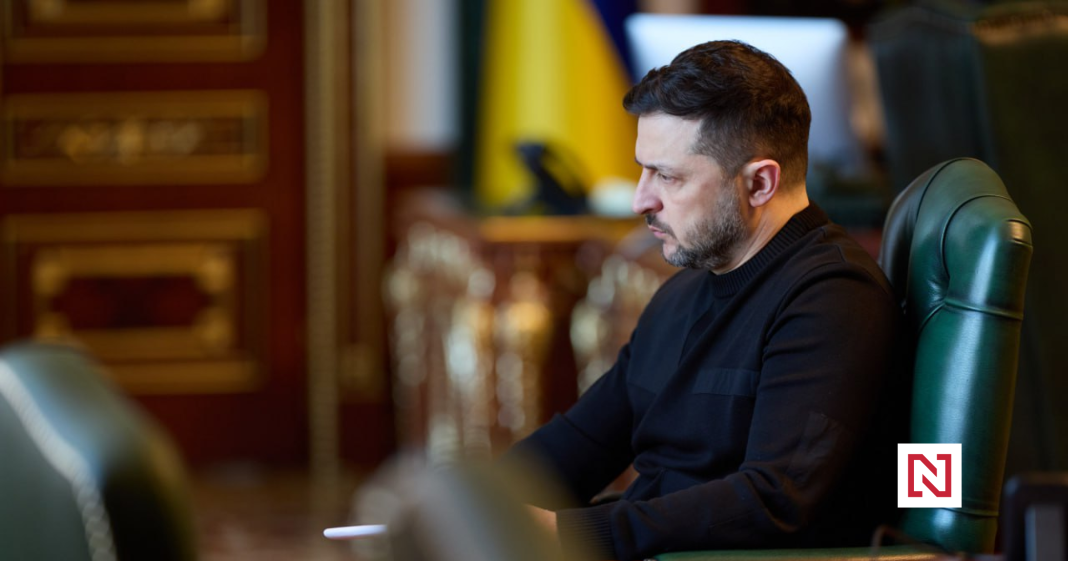

The fate of Ukraine amid the ongoing conflict has taken center stage in Europe as President Volodymyr Zelensky navigates a complex geopolitical landscape. The level of support from European nations could significantly impact Ukraine’s ability to withstand and recover from the war.
Ukraine’s Diplomatic Efforts in Europe

President Zelensky has embarked on numerous diplomatic missions across Europe, aiming to garner support both politically and militarily. These efforts often include meetings with key EU leaders and participation in international forums where Ukraine’s plight is highlighted. The objective is not only to secure military aid but also to strengthen economic ties and ensure sustained political backing.
The challenge for Zelensky lies in maintaining momentum among European allies who sometimes face domestic pressures to prioritize their own economic and social policies. Balancing these dynamics requires a deft diplomatic touch, alongside a compelling narrative to keep European leaders engaged and committed to Ukraine’s cause.
Military Aid and Its Implications

Military support from Europe is crucial for Ukraine as it aims to counter the ongoing aggression. Various European countries have pledged arms, training, and intelligence support, which have been vital in bolstering Ukraine’s defensive and offensive capacities. Nonetheless, the level and consistency of this support can vary based on changing political climates and resource availability within donor countries.
Questions around the effectiveness and sustainability of military aid continue to surface. Analysts speculate that without a coherent long-term strategy, intermittent support might not be sufficient to ensure Ukraine’s security and could prolong the conflict, leading to greater instability in the region.
Economic Support and Reconstruction Plans

Beyond military assistance, economic support is critical for Ukraine’s reconstruction and future stability. The war has ravaged Ukraine’s infrastructure and economy, necessitating a robust plan for rebuilding. Zelensky’s government has been actively seeking financial aid and investment from European nations, which are expected to play a pivotal role in post-war recovery efforts.
European involvement goes beyond financial transactions; it includes the exchange of expertise and resources essential for rebuilding Ukraine’s economy. Encouraging private investments and international partnerships remains a key strategy for Ukraine, showcasing a forward-looking vision that aligns with European economic interests.
Public Opinion and Political Will

The extent of European support is not only a reflection of governmental policies but also of public opinion. In various European countries, there is a mix of sentiments towards providing substantial aid to Ukraine. Some populations are fiercely supportive, reflecting historical and cultural ties, while others are more cautious, influenced by economic concerns and geopolitical calculations.
This diverse public sentiment influences political leaders, shaping the policies they implement and the narratives they promote. For Zelensky, engaging with European public opinion is as important as engaging with their leaders, aiming to build a widespread base of support that transcends political boundaries.
The intersection of military, economic, and political factors in Europe will undoubtedly play a decisive role in Ukraine’s future. As President Zelensky continues to navigate these complex dynamics, the resilience and adaptability of European support systems will be tested, determining not only the outcome of the current conflict but also the broader stability of the region.
Source: Official [entity name] website.