
The ongoing conflict in Eastern Europe presents stark differences between Ukrainian and Russian military strategies and experiences. This article explores why Ukrainians spend extended periods on the frontline while Russians face high casualty rates.
Dedication and Resilience of Ukrainian Forces

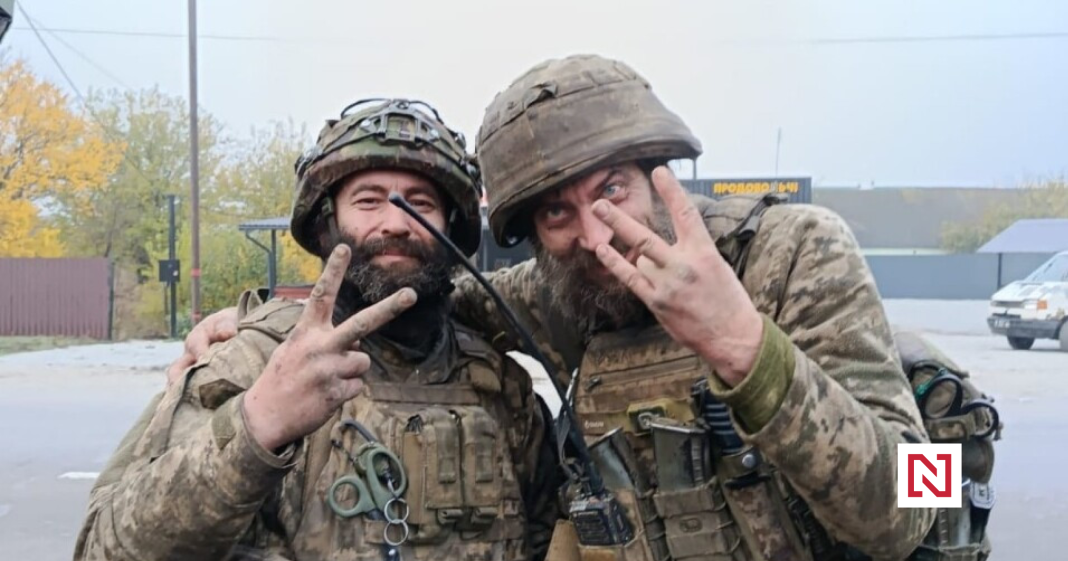
Ukrainian soldiers are deeply motivated by a sense of duty and the need to protect their homeland, contributing to their extended time on the frontline. This commitment is fuelled by the resolve to defend their national sovereignty against aggression. Many Ukrainian troops are volunteers, reflecting a personal investment in the fight.
Moreover, Ukraine’s military strategy emphasizes holding positions and creating stable defensive lines. This approach provides a strategic advantage in familiar terrain, allowing soldiers to maximize their effectiveness. The ability to sustain prolonged engagement is crucial in maintaining control over contested areas.
Tactical Advantages and Local Support

Ukrainian forces benefit from local support networks offering logistical supplies and intelligence. Civilians often assist military operations, supplying food and other essentials, which helps sustain the troops during extended deployments.
The importance of real-time intelligence provided by local informants cannot be overstated. It allows Ukrainian commanders to make informed decisions, adapting to Russian movements and minimizing risks to their soldiers.
Challenges Facing Russian Forces

In contrast, Russian soldiers face significant challenges in maintaining prolonged operations. Logistic issues, lack of local cooperation, and unfamiliar terrain often result in high attrition rates. Without the support systems that benefit Ukrainian units, Russian forces can find themselves isolated and vulnerable.
The rapid rotation and replacement of Russian personnel can lead to inexperience and disarray among troops. This operational churn affects unit cohesion, reducing combat effectiveness and increasing casualty rates.
The Role of Leadership and Morale
Leadership and morale play crucial roles in both militaries’ performance. Ukrainian commanders often demonstrate adaptive tactics and emphasize soldier welfare, crucial for maintaining morale over long deployments. Effective leadership helps keep troops motivated despite the hardships of the frontline.
On the other hand, Russian military structures may suffer from rigid hierarchies and less transparent communication. This can lead to disengagement among troops, further impacting morale and contributing to higher casualty figures.
Conclusion

The disparity between Ukrainian and Russian experiences on the Eastern European battlefield highlights differences in strategy, local engagement, and leadership. Understanding these factors is essential for comprehending the ongoing dynamics and potential future developments in the conflict.