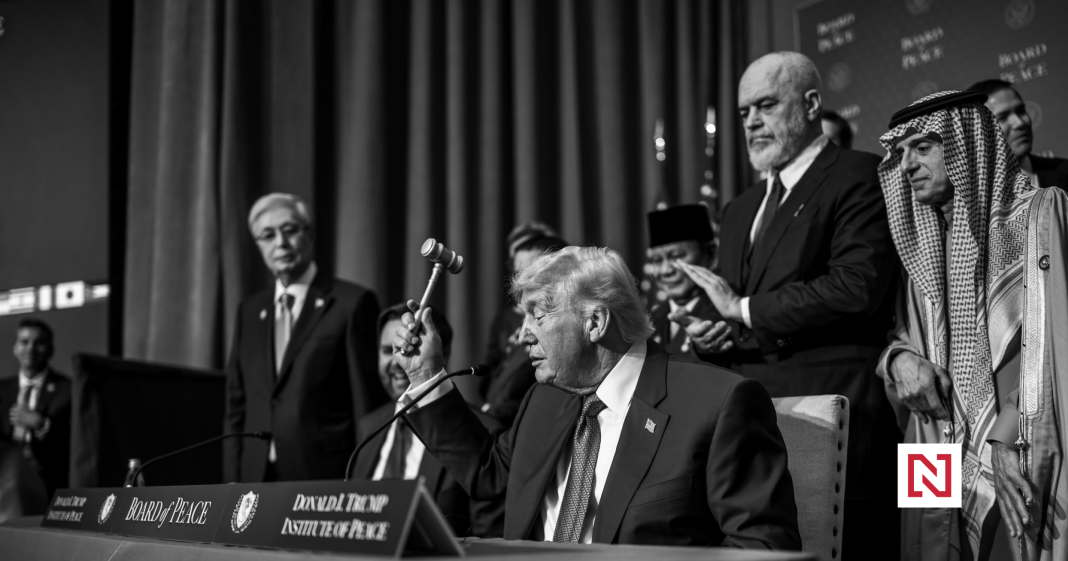

The recent shift in former President Donald Trump’s focus towards international conflicts has sparked concerns about potential repercussions. This commentary explores the possible outcomes of this new interest and its implications on global politics.
Trump’s Recent Comments on International Conflicts
Donald Trump’s renewed interest in global conflicts has been evident in his recent public statements and interviews. He has openly criticized current foreign policies while proposing alternative strategies that align with his previous administration’s “America First” agenda. His focus on international affairs has raised eyebrows among political analysts, who speculate on the potential effects of his involvement.
This renewed attention is not entirely surprising, given Trump’s history of outspoken opinions on global issues. However, the timing and manner of his comments suggest a possible intention to influence policy debates and public opinion ahead of future political ventures.
Impact on U.S. Foreign Policy

Trump’s vocal interest poses a challenge to the current U.S. administration’s foreign policy direction. By advocating for drastically different approaches, he introduces a stark contrast that can confuse allies and adversaries alike. His critiques often focus on military involvement and economic sanctions, areas where he advocates for more direct engagement or complete withdrawal.
For the U.S., this dynamic could lead to a divided narrative in international diplomatic circles, particularly if Trump continues to garner media attention. Such divergence might weaken the cohesiveness of American foreign policy, complicating diplomatic negotiations and partnerships.
Global Reactions and Implications

Internationally, Trump’s statements have been met with both anticipation and caution. Allied nations are wary of potential shifts in policy, especially those that could affect military alliances and trade agreements. On the other hand, rival countries might exploit the discord to advance their strategic interests.
In the European context, some countries might view Trump’s comments as a reminder of his presidency’s unpredictable nature. The potential for a return to policies that prioritize bilateral over multilateral solutions could disrupt existing international frameworks and cooperation.
Potential Long-Term Consequences

While Trump’s current role does not hold any official diplomatic power, his influence remains significant among certain voter groups and political circles. Should he decide to run for office again, his international conflict commentary could become a central part of his platform.
Moreover, frequent media attention on his views may normalize unconventional approaches to conflict and negotiation, affecting future political narratives and strategies in the U.S. and beyond.
Given these possibilities, Trump’s focus on international conflicts requires careful monitoring to understand its potential impact on global stability and relations.