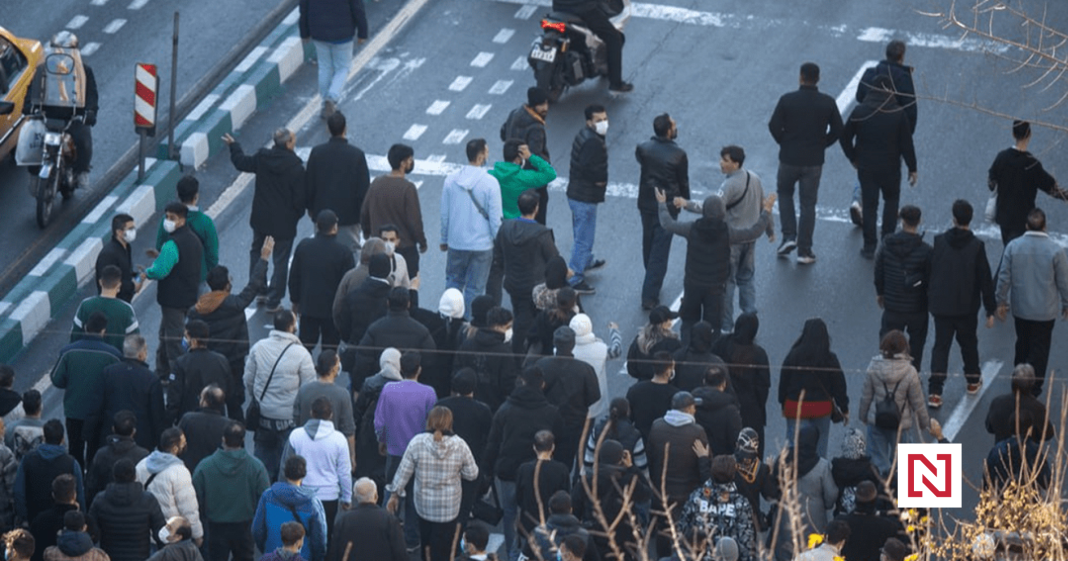

Recent developments in Iran have thrust the country’s bazaars into the spotlight, as economic frustrations have led to widespread protests. Concurrently, former U.S. President Donald Trump has publicly voiced his support for the Iranian protesters, adding a significant international dimension to the unrest.
Economic Struggles Fuel Bazaar Protests

In Iran, bazaars have long been the heart of commerce and an essential part of daily life. However, escalating inflation and an unstable economy have significantly impacted traders and vendors, pushing them to the brink. As prices soar and purchasing power diminishes, vendors are finding it increasingly difficult to sustain their businesses. This economic pressure has led many to take their grievances to the streets in protest.
The protests are not solely about current hardships but also reflect longer-term dissatisfaction with economic management and perceived corruption. Traders are demanding governmental reforms to stabilize the economy and protect their livelihoods. The protests, while initially peaceful, have occasionally escalated into broader anti-government demonstrations, challenging the authorities’ ability to maintain order.
Trump’s Support: A Double-Edged Sword

Former U.S. President Donald Trump’s outspoken support for the Iranian protesters has added an international political element to the situation. He has been vocal on social media, condemning the Iranian government’s response to the protests and calling for respect for human rights. This intervention has garnered mixed reactions from both within Iran and the international community.
While some Iranian protesters welcome Trump’s support as a form of international validation, others perceive it as unwelcome interference in Iran’s internal affairs. This dichotomy complicates the narrative, as it raises questions about foreign influence in domestic matters and the potential for international tensions to escalate.
Response from the Iranian Government

The Iranian government has been quick to respond to both the protests and Trump’s remarks. Authorities have attempted to contain the situation by deploying security forces to key areas and issuing warnings against public disorder. The government has also sought to dismiss external criticism, arguing that foreign commentary undermines Iran’s sovereignty.
Despite these efforts, the underlying economic issues remain unaddressed. The government faces significant challenges in restoring public confidence and quelling the unrest. As protests continue, the potential for further confrontation looms, demanding careful navigation of both domestic and international pressures.
Impact on International Relations
The unfolding events have broader implications for international relations, particularly in the context of U.S.-Iran tensions. Trump’s comments highlight ongoing grievances and remind the world of the fragile dynamics between Iran and Western countries. This situation potentially strains diplomatic relations further, as Iran seeks to defend against perceived external threats while addressing internal dissent.
Moreover, other countries are monitoring the situation closely, as instability in Iran can have wide-reaching effects on global economic and political landscapes. The strategic importance of Iran in the Middle East makes the resolution of these protests critical not just for the country itself but for regional stability as well.
The protests in Iran have brought long-standing economic grievances to the forefront, gaining the attention of international figures like Donald Trump. As the world watches, the government’s response and potential international repercussions remain a subject of close scrutiny.