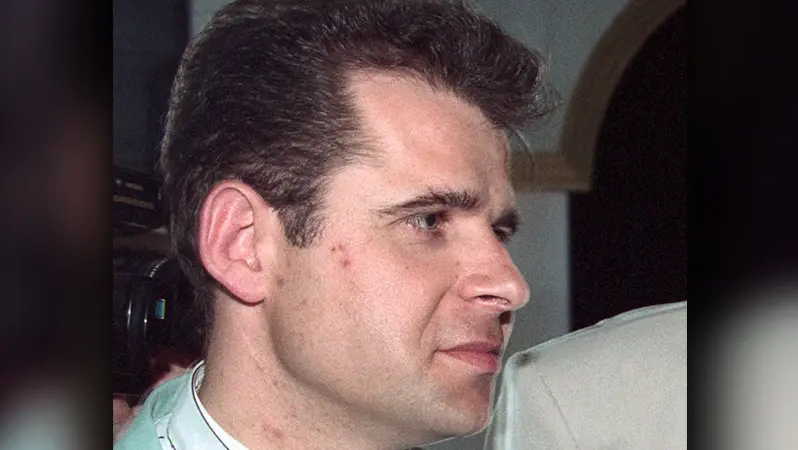

The recent dismissal of the Mrázek murder case has left many questions unanswered, reflecting a complex intersection of crime, politics, and justice in Prague. As this high-profile case comes to a close, stakeholders and the public are left wondering about the implications for future criminal investigations.
Background of the Mrázek Murder Case

The murder of entrepreneur František Mrázek, known as the “Godfather of Czech Organized Crime,” was one of the most notorious cases in Czech history. Mrázek was shot dead in 2006 outside his Prague office. His connections to high-level political and business circles made his murder a matter of national significance, stirring public and media frenzy.
The investigation spanned years, involving numerous suspects and leads, yet progress was constantly thwarted by allegations of political interference and corruption within law enforcement. These complexities, combined with the mysterious context of Mrázek’s dealings, contributed to the challenges faced by investigators.
Reasons Behind the Dismissal

The dismissal of the case was largely due to insufficient evidence. After years of investigation, law enforcement concluded that they could not definitively identify the perpetrator. This outcome was disappointing for both the public and Mrázek’s family, who had long sought closure.
Critics argue that the investigation’s lack of results reflects deeper systemic issues within the Czech legal system, including the influence of organized crime on judicial processes. Without substantial reform, similar cases may suffer the same fate in the future.
Impact on Public Perception

The unresolved nature of the Mrázek murder has led to public skepticism regarding the effectiveness of the Czech criminal justice system. Many citizens and commentators express concern over the state’s capacity to handle complex crimes involving influential figures.
This case highlights the challenges faced by authorities in rebuilding public trust. Transparency and accountability are now seen as crucial elements in improving both local and national perceptions of justice and law enforcement efficacy.
Lessons for Law Enforcement

The handling of the Mrázek case offers significant lessons for law enforcement agencies. There is a need for improved investigative techniques and a robust framework that can withstand external pressures and potential corrupt influences.
Additionally, cooperation between international police forces and domestic agencies is increasingly necessary to navigate the transnational elements often associated with organized crime. Future investigations must learn from past oversights to enhance both efficiency and credibility.
The dismissal of the Mrázek murder case leaves a chilling reminder of the lingering issues within the justice system. It underscores the need for continued reform and vigilance to ensure that justice is duly served in the future.