
In recent political discussions, Miloš Vystrčil, a prominent Czech politician, has chosen not to endorse former U.S. President Donald Trump for the Nobel Peace Prize, a decision that has sparked varied reactions. Meanwhile, Tomio Okamura, a notable figure in Czech politics, has yet to provide his opinion on the matter.
Vystrčil’s Decision

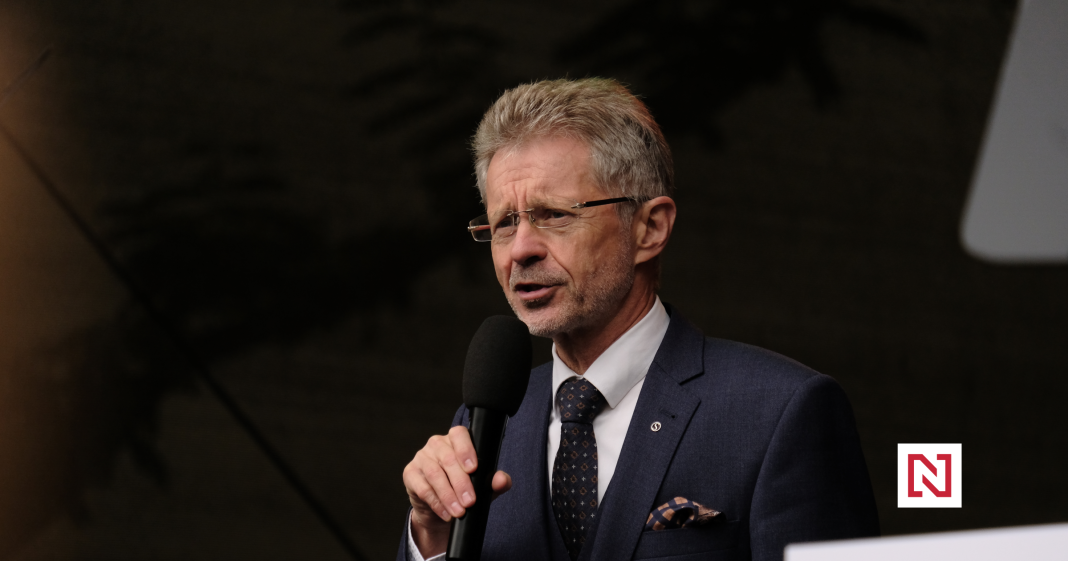
Miloš Vystrčil, a respected figure in the Czech Senate, made headlines with his decision not to support the nomination of Donald Trump for the Nobel Peace Prize. This stance was revealed following discussions within the Czech political sphere about the merits of such a nomination. Vystrčil, known for his considered approach, emphasized the importance of rigorous criteria when it comes to such prestigious recognitions.
His choice reflects a broader hesitation within certain European political circles to embrace the former U.S. president’s policies and actions. Vystrčil’s position might also illustrate the nuanced relationships between Czech and American political ideologies.
Okamura’s Silence
In contrast to Vystrčil, Tomio Okamura, leader of the Freedom and Direct Democracy party, has not yet commented on Trump’s potential Nobel nomination. Known for his outspoken and often provocative statements, Okamura’s silence has been noted by observers and constituents alike, leaving many to speculate on his eventual stance.
Okamura’s political strategies and alliances could influence his future comments, especially given the complex dynamics between his party’s policies and Trump’s international reputation. His eventual position may carry significant weight in shaping public opinion within Czechia.
Implications for Czech-U.S. Relations

The differing reactions from Czech politicians highlight varying perspectives on international collaboration and recognition. While some see the Nobel Peace Prize as an opportunity to foster global harmony, others prioritize stringent evaluation processes that reflect deeper geopolitical considerations.
The discourse surrounding Trump’s nomination may further affect Czech-U.S. diplomatic relations, drawing attention to how Czech political leaders interpret American policies and achievements on the global stage.
Public and Political Reactions

The responses to Vystrčil’s and Okamura’s positions underscore the varied public sentiment in Czechia. While some citizens support Vystrčil’s cautious approach, others await Okamura’s potential endorsement or critique, reflecting broader societal divides.
These reactions are indicative of a society actively engaged in political discourse, with opinions shaped by historical experiences, media portrayals, and individual values.
As the debate continues, the eventual positions of key Czech figures will play a crucial role in shaping both the national conversation and the country’s diplomatic stance toward the United States.