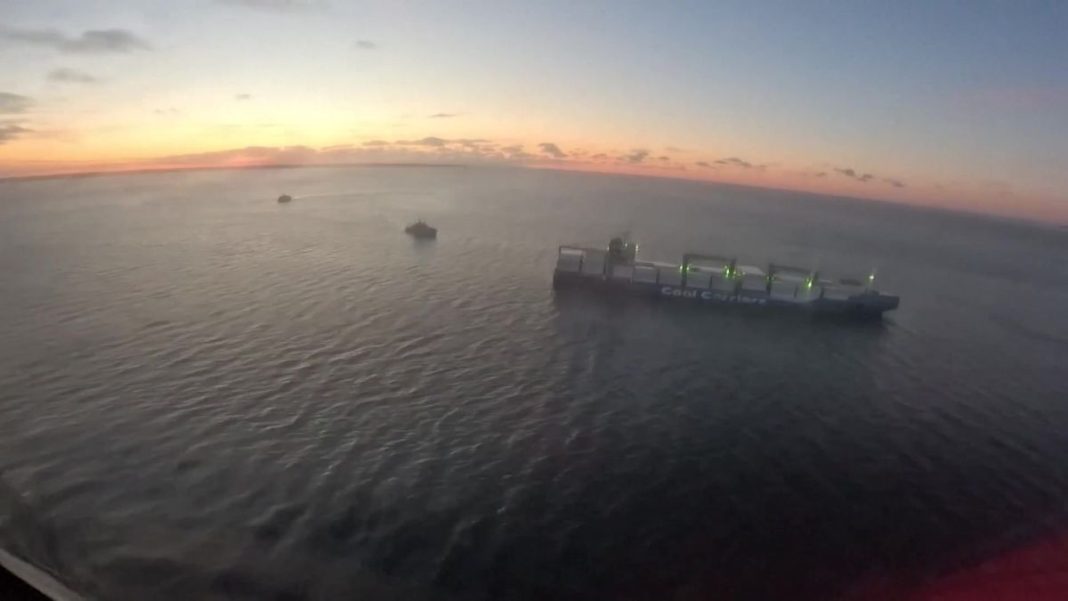

Authorities in Estonia have detained a cargo ship suspected of smuggling goods to Russia in violation of international sanctions. The detainment underscores ongoing efforts in the region to curb illicit trade operations and maintain compliance with international regulations.
Investigation Details

The cargo ship was intercepted following an intelligence-led operation coordinated by Estonian officials. The vessel, reportedly carrying a range of goods, was believed to be on a covert route aimed at circumventing sanctions imposed on Russia. The authorities are conducting a thorough investigation to ascertain the nature of the cargo and the parties involved in the smuggling operation.
Estonian customs and border authorities are working in collaboration with international agencies to trace the source and destination of the cargo. This coordinated effort underscores a broader initiative to enforce trade restrictions and ensure that sanctioned goods do not reach prohibited destinations.
Impact on Regional Trade

The apprehension of the cargo ship highlights the complexities of enforcing trade sanctions in the Baltic region, a vital corridor for maritime trade. Estonia, like its Baltic neighbors, plays a crucial role in monitoring and intercepting unlawful shipments bound for Russia. Such operations are essential for maintaining the integrity of international trade laws and sanctions.
This incident also sends a clear message to shipping companies operating in the region about the rigorous checks in place and the legal repercussions of engaging in illicit trade activities. The maritime industry is being called upon to enhance compliance measures and collaborate with regulators to prevent similar occurrences.
International Implications

Globally, the detention of the ship serves as a reminder of the challenges involved in enforcing international sanctions. Countries around the world are called to increase vigilance and cooperation when monitoring trade routes that could serve as conduits for smuggling efforts. This event may prompt further discussions and policy reviews at international forums to strengthen sanction enforcement mechanisms.
The case might also influence future adjustments to sanction lists and enforcement tactics, as governments seek to close loopholes exploited by smugglers. Enhanced surveillance technologies and stricter regulations could be among the measures adopted to deter similar incidents.
Response from Related Parties

The shipping company that owns the detained vessel has yet to release an official statement regarding the incident. However, industry analysts suggest that this situation could lead to closer scrutiny of vessels and their cargo, affecting shipping schedules and operational protocols in the region.
Meanwhile, Russian authorities have not commented publicly on the incident. The unfolding situation could strain diplomatic relations between the involved countries, as Estonia and its allies reinforce their commitment to upholding international laws and cooperation in sanction enforcement.
This incident reflects broader geopolitical tensions and highlights the importance of continued vigilance and cooperation among nations.