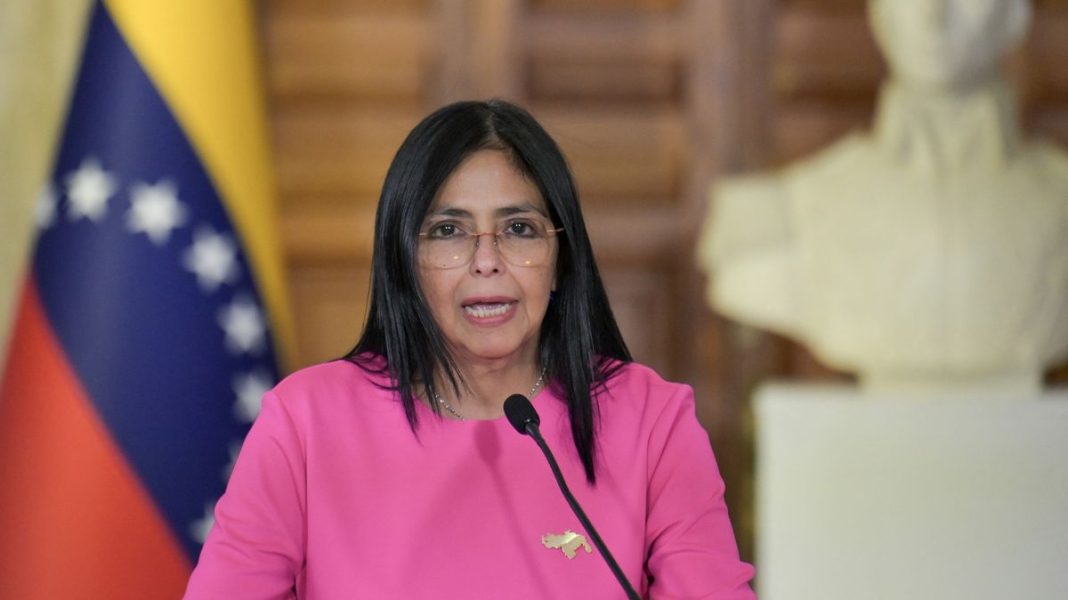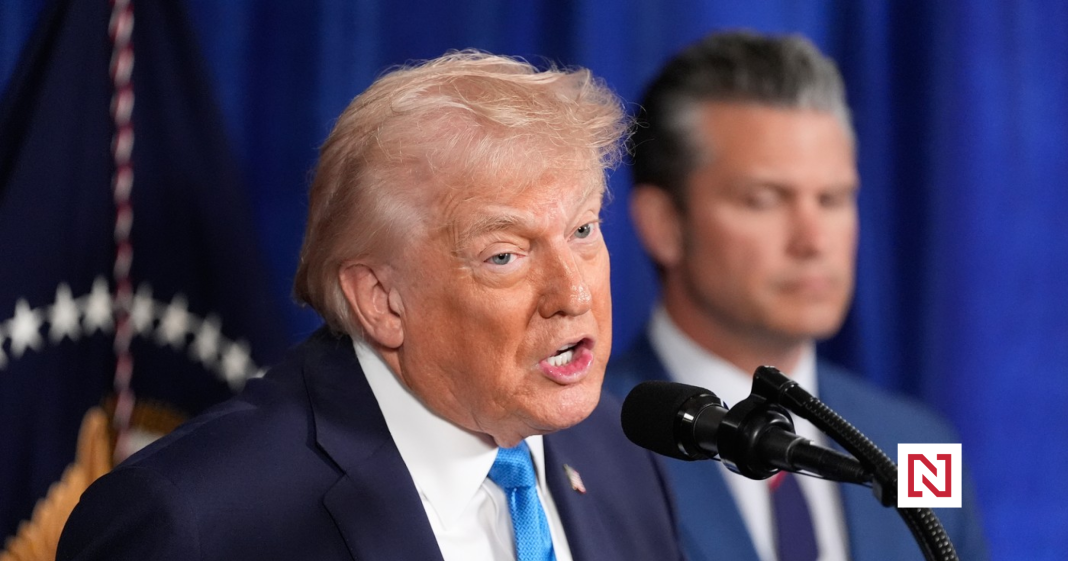

The events surrounding the alleged interest of former U.S. President Donald Trump in a potential invasion of Venezuela have sparked widespread debate and concern. Revelations about his stance and possible betrayals offer new insights into this controversial topic.
Background of the Venezuela Situation

Venezuela has been in political turmoil for years, with severe economic hardships contributing to widespread instability. The regime of Nicolás Maduro has faced strong opposition both domestically and internationally, with many countries, including the United States, calling for a change in leadership. Against this backdrop, reports of a potential U.S. intervention under Trump are both significant and contentious.
In recent years, the United States imposed sanctions on Venezuela and recognized opposition leader Juan Guaidó as the legitimate president. These actions were part of a broader strategy to apply pressure on Maduro’s government. However, the notion of an invasion marked a dramatic escalation that raised eyebrows globally.
Trump’s Alleged Interest in Military Action

Multiple sources claim that Trump showed interest in military options to address the crisis in Venezuela. These reports suggest that he discussed the idea with his advisors, considering it a potential method to remove Maduro from power. Yet, the proposition of a military solution was met with skepticism and resistance within his administration and among international allies.
The implications of such an action were enormous, involving serious geopolitical risks and potential backlash. Latin American countries, cautious of external interference, would likely oppose direct military intervention, favoring diplomatic solutions.
Internal Opposition to the Plan

Within the Trump administration, there appeared to be significant internal opposition to any form of direct military involvement. Advisors pointed to the complex political landscape in South America and historical issues with U.S. interventions in the region as key reasons to avoid such actions.
Additionally, military and intelligence officials were reportedly concerned about the feasibility and ramifications of an invasion. They highlighted the potential for escalation into a protracted conflict, which would have been politically and economically costly.
Repercussions and Suspected Betrayal
The discussions of intervention not only influenced U.S.-Venezuela relations but also strained Trump’s global diplomatic standing. Some analysts speculate that sharing such plans might have led to perceived betrayals if confidential discussions were leaked or used by rivals to undermine U.S. foreign policy.
Furthermore, critics argue that the mere consideration of an invasion damaged U.S. credibility, sowing distrust among allies. Allies wary of unilateral action might have been less inclined to support American policies, complicating collaborative efforts on international issues.
The Legacy and Future of U.S. Policy in Venezuela
While no invasion occurred, the discussions themselves have left a mark on U.S.-Venezuela relations and American foreign policy legacy. The incident highlights the precarious balance of power and the potential fallout from aggressive tactics.
Moving forward, the U.S. remains focused on diplomatic and economic measures to encourage democratic reforms in Venezuela. Building multilateral coalitions and engaging regional partners are seen as essential steps in crafting effective and sustainable solutions to the ongoing crisis.
The revelations about Trump’s stance on Venezuela underline the complexity of international politics and the far-reaching consequences of strategic decisions. Future administrations will likely study these events closely to navigate similar challenges more effectively.
Source: Official U.S. Department of State website.