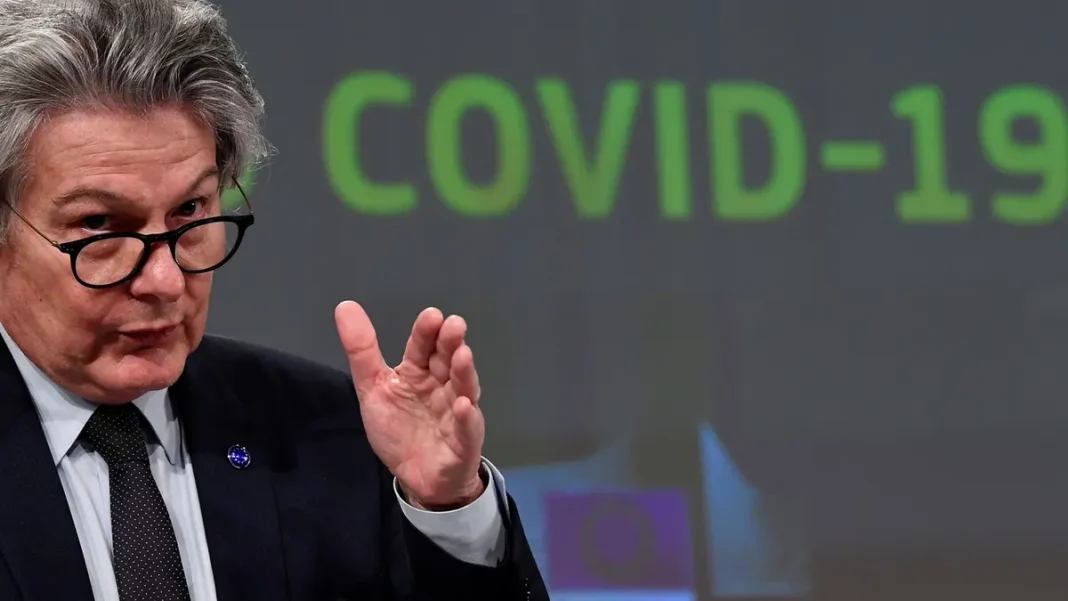

The recent announcement of sanctions by the United States against five Europeans has stirred discussions across international political arenas. The individuals are accused of censoring American digital platforms, an allegation that could potentially escalate tensions between the US and Europe.
The Nature of the Alleged Censorship

The US government claims that the sanctioned Europeans engaged in activities that restricted or censored content from American-based platforms. This move is seen as part of a broader strategy to counteract perceived foreign interference and protect freedom of expression on digital media. The individuals allegedly used legal frameworks, technology restrictions, or collaborative international efforts to limit access to US digital services.
Details on the specific methods employed by these individuals remain sparse, but the US sanctions list characterizes their actions as detrimental to both free speech and the global digital market. These kinds of actions have previously been seen as a threat not just to businesses, but also to democratic values upheld by the international community.
Reactions from the European Union

The European Union has traditionally maintained a strong stance on digital sovereignty and data privacy, often clashing with US policies. In response to the sanctions, EU officials have called for diplomatic discussions to understand the full scope of the allegations and address any misunderstandings. They emphasize the importance of cooperative dialogue in resolving these issues without undermining transatlantic relations.
EU representatives also contend that any actions taken by the individuals in question must be viewed within the context of European legal frameworks, which prioritize privacy and data protection. They argue these frameworks are crucial in safeguarding citizens’ rights in the digital age.
Implications for Transatlantic Relations

These sanctions could impact not just diplomatic ties but also economic relations between the US and Europe. European tech companies might face increased scrutiny from US authorities, which could lead to further regulation and potential retaliatory measures from the EU. Analysts suggest that this could spur a reevaluation of digital trade agreements between the two regions.
Furthermore, the move underscores the growing digital divide and the challenges of harmonizing laws across borders in the increasingly global digital landscape. Both sides appear committed to finding a balance between security, free speech, and digital rights.
Potential Legal Outcomes

The individuals sanctioned by the US may face legal proceedings if they travel to the States or if US allies decide to act upon the sanctions. Legal analysts predict that this could set precedents for future cases involving international digital censorship and influence.
These proceedings could prompt broader discussions on developing international frameworks for digital governance. The United Nations and other international bodies might play a role in mediating these complexities to establish clearer guidelines and regulations.
The introduction of these sanctions highlights the intricate interplay between technology, law, and international politics. As such, it reinforces the need for continued dialogue and collaboration in navigating the evolving digital landscape.
Source: Official EU website.