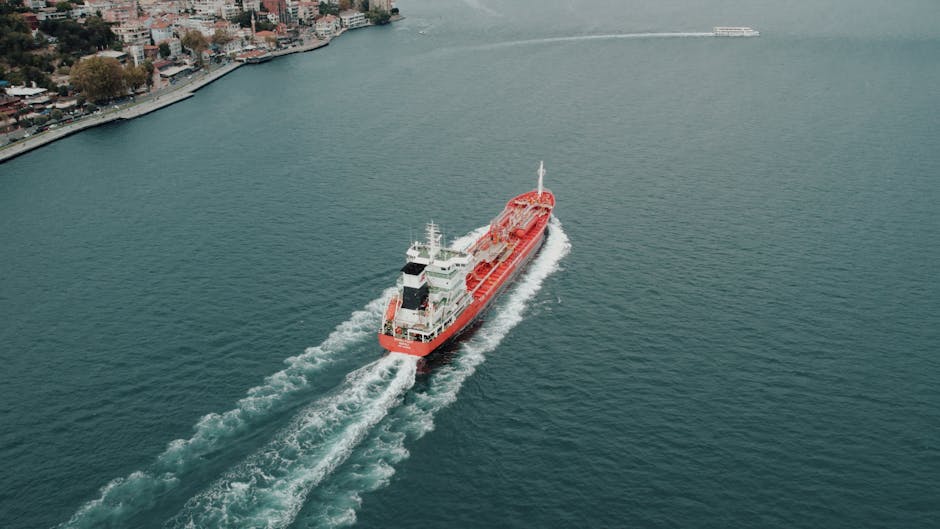

An unidentified drone attack targeted an oil tanker en route to Russia, causing concern along the Turkish coast. This incident has raised alarms over maritime security in the region.
The Incident Details

The oil tanker, whose identity remains undisclosed, was reportedly hit while navigating near the Turkish coastline. The attack involved drones, though the source and motives behind the assault are currently unknown. Local authorities have launched an investigation into the matter, aiming to understand how the drones managed to approach and target the vessel undetected.
Initial reports did not confirm any casualties or significant damage to the tanker. However, this event highlights vulnerabilities in maritime security and underscores potential threats posed by unmanned aerial vehicles in commercial shipping lanes.
Geopolitical Implications

This incident occurs against a backdrop of heightened tensions between Russia and Western nations, with maritime routes often a focal point for geopolitical maneuvering. The use of drones to attack commercial shipping could reflect escalating covert operations aimed at applying economic pressure on adversaries.
Russia’s reliance on oil exports makes the safety of tankers a critical concern. As such, any disruptions in these supply lines could have broader implications for regional stability and economic markets worldwide.
Impact on Maritime Security

The attack has prompted renewed discussions on the need to bolster maritime security, particularly in regions deemed high-risk. Turkey, with its strategic location, plays a crucial role in ensuring safe passage between the Mediterranean and Black Seas, making any security lapse in these waters significant.
Authorities and maritime organizations are now likely revisiting security protocols, enhancing surveillance, and possibly deploying additional resources to monitor and protect vessels from potential threats.
Reactions from Key Stakeholders

The maritime industry has expressed concerns over the increased risk posed by drone technology. Shipping companies are urging governments to collaborate on frameworks to counteract such aerial threats, emphasizing the need for joint security measures and intelligence sharing.
Meanwhile, regional authorities are calling for a coordinated international response to address and mitigate this new dimension of maritime risk, ensuring that shipping routes remain secure for global trade.
As investigations continue, the international community will be closely monitoring how this situation develops and what measures will be implemented to prevent such incidents in the future.