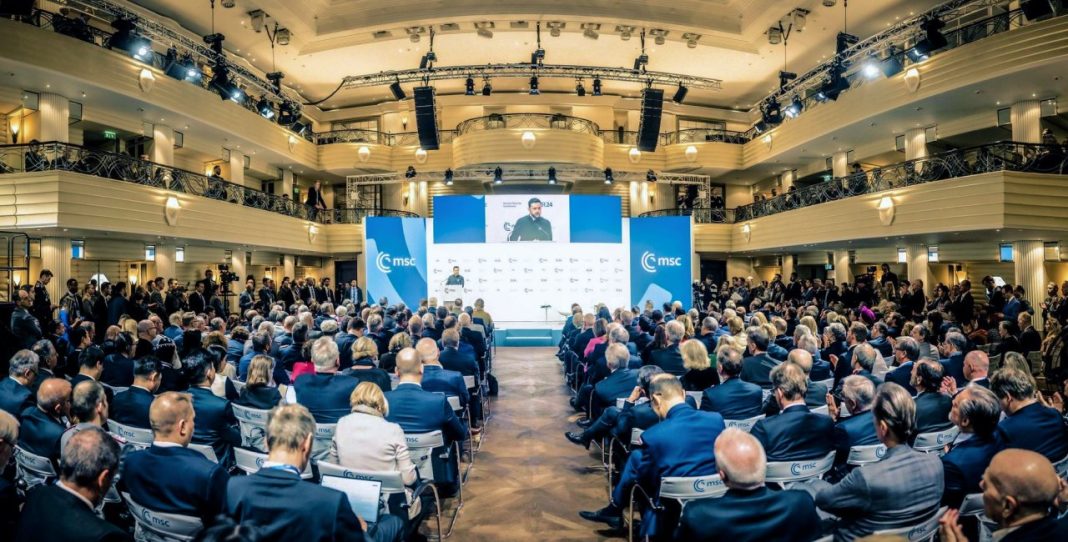

The future security of Czechia hinges on the critical discussions and events anticipated at Munich 2026. This international gathering will serve as a focal point for understanding the nation’s strategic positioning and security plans amidst evolving geopolitical tensions.
Munich 2026: A Pivotal Summit
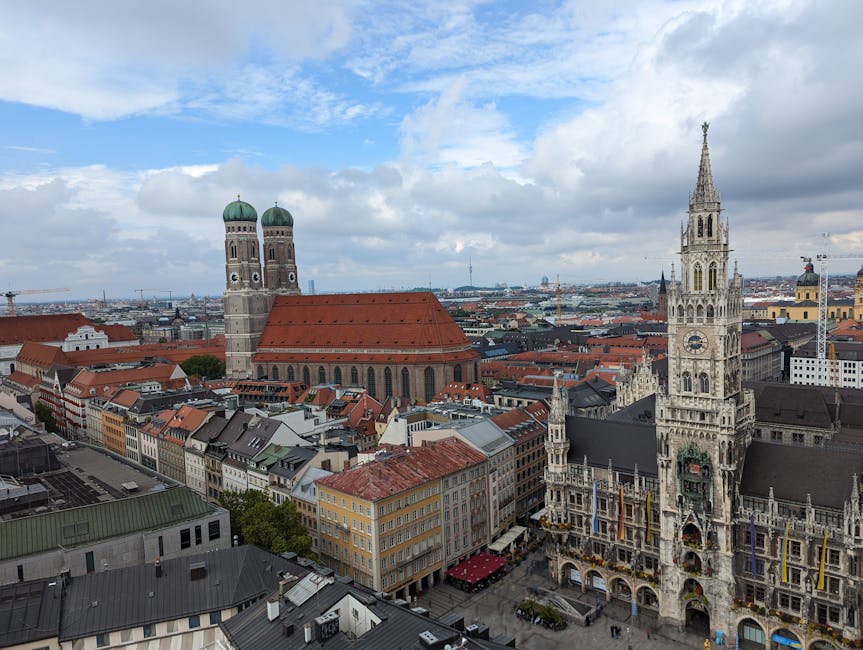
Munich 2026 is more than just another convention; it is a pivotal security summit that will draw leaders from across the globe to discuss and strategize on pressing issues of international peace and safety. For Czechia, this summit holds particular significance. The country stands at a crossroads, where decisions made will shape its future involvement and influence in Europe and beyond.
With ongoing challenges such as cyber threats, terrorism, and regional disputes, Czechia’s active participation in Munich 2026 will be crucial. It will provide a platform to advocate for its interests, collaborate on shared threats, and potentially strengthen alliances with neighboring countries and international partners alike.
Czechia’s Strategic Priorities

Czechia is expected to leverage Munich 2026 to highlight its strategic priorities, particularly in defense and cybersecurity. Recent years have shown an uptick in cyber-attacks, which have not only targeted governmental institutions but also critical infrastructure and businesses. Addressing these vulnerabilities will likely be at the forefront of discussions.
Moreover, Czechia aims to bolster its defense capabilities through partnerships and technological advancements. By aligning with other countries that share similar security concerns, Czechia can enhance its defense strategies and ensure robust national security.
Regional Stability and Collaborations

The summit will also focus on regional stability, which remains a central concern for Czechia. Given its geographic position and historical context, Czechia finds itself often influenced by broader European dynamics. Munich 2026 offers an opportunity to reaffirm commitments to regional collaboration, especially with Visegrád Group members.
Addressing cross-border challenges such as migration, economic disparity, and environmental hazards will require concerted efforts. Czechia’s role in these collaborative actions can strengthen its position as a leader in seeking pragmatic and sustainable solutions for regional challenges.
Looking Ahead: Implications for Policy

Decisions and frameworks established during Munich 2026 could have far-reaching implications for Czechia’s domestic and foreign policy. The outcomes from this summit may shape legislative changes aimed at enhancing security measures and influencing defense expenditures.
Furthermore, the summit’s agreements and strategies will likely trickle down to everyday national security policies. This alignment with international security standards could ensure Czechia remains resilient in the face of future threats, securing its citizens’ safety and economic wellbeing.
In conclusion, as Czechia prepares to engage in Munich 2026, the nation steps into a pivotal moment that could redefine its security landscape. The discussions and resolutions achieved here will likely impact the country’s strategic decisions for years to come, maintaining its place on the global stage as a proactive and engaged member of the international community.