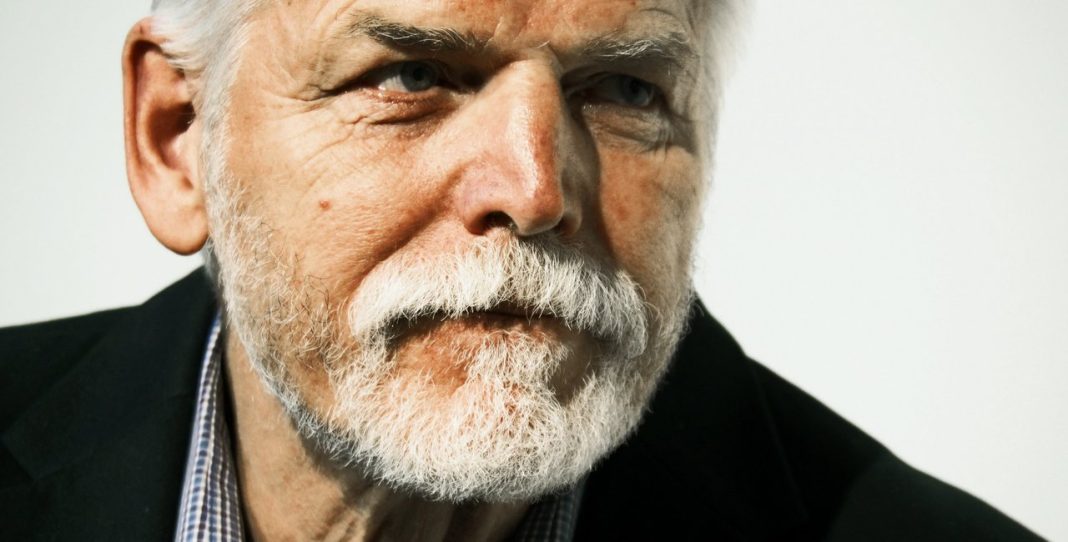

The current standoff within the Czech government has sparked widespread concern, prompting citizens and analysts alike to ponder the future implications of this political impasse. This situation not only threatens the stability of the current administration but also has far-reaching effects on public policy and international relations.
Origin of the Standoff

The government standoff in the Czech Republic began amidst growing tensions within the ruling coalition. With differing stances on key policy issues, the coalition parties have struggled to find common ground, leading to a deadlock that hinders legislative progress. This situation has fueled speculation about potential reshuffles or even early elections, given the inability to achieve consensus on critical matters.
The primary disagreements center around fiscal policy, social reforms, and energy strategy. Each party is vying for influence, seeking to impose its vision for the country’s future, which has only exacerbated divisions. Meanwhile, opposition parties are using this opportunity to question the leadership’s capability, complicating the dynamics further.
Impact on Economic Policy

The deadlock has significant implications for economic policymaking in the Czech Republic. With critical fiscal decisions delayed, there is growing concern about the nation’s ability to respond effectively to economic challenges such as inflation and public debt. Businesses and investors are also wary, as uncertainty often leads to cautious spending and investment.
Moreover, budget allocations for important public services could be stalled, affecting everything from healthcare to infrastructure projects. The financial markets are closely watching these developments, with the potential for a negative impact on economic stability if the standoff continues unresolved.
Consequences for Social Reforms

Social reforms, another contentious area, remain in limbo due to the political impasse. Key initiatives aimed at improving healthcare, education, and social welfare are caught in the crossfire of political disagreements, leaving vulnerable populations at risk.
Stakeholders and advocacy groups are voicing their concerns, urging the government to prioritize consensus-building to ensure that essential services are not compromised. The pressure is mounting on leaders to devise a path forward that transcends political differences for the greater good of society.
International Relations and Diplomacy
The standoff also has implications beyond Czech borders, affecting international relations and diplomacy. Traditionally stable diplomatic channels could face disruptions as leadership struggles to present a unified front on the global stage. This uncertainty can have ripple effects on trade agreements and cooperation with neighboring countries.
European Union partners, in particular, are closely observing the situation, given its potential to influence regional policy discussions. The Czech Republic’s role in broader European initiatives may be put on hold until a stable government configuration is reestablished.
In conclusion, the Czech government standoff poses serious challenges that demand urgent resolution. As political leaders work to bridge their differences, the actions taken in the coming weeks will be crucial in determining the future trajectory of the nation.
Source: Official Czech Government website.