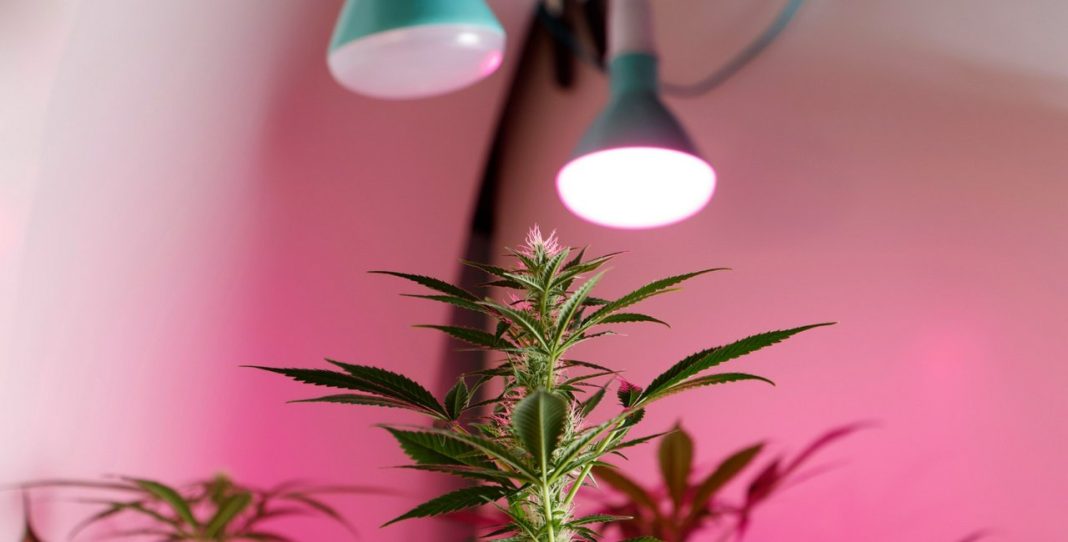

The recent changes in Czechia’s cannabis legislation have sparked considerable discussion and interest. As the country revises its stance on cannabis use and cultivation, understanding the new legal limits is crucial for both residents and visitors.
Overview of the New Cannabis Law

The Czech Republic has long been recognized for its progressive stance on cannabis compared to other European nations. This latest law further defines the legal boundaries around personal cultivation and possession. The legislation allows adults to cultivate up to five plants for personal use, offering more freedom while still setting clear boundaries to prevent misuse.
Possession limits are also carefully delineated in the law. Individuals can legally possess up to ten grams of dried cannabis without facing criminal charges. While this decriminalization reflects a more liberal approach, penalties remain for exceeding these limits, ensuring a balanced approach to regulation.
Rationale Behind the Legislation

The primary motivation behind this change is to reduce the burden on the justice system by distinguishing between recreational users and those involved in illegal trade. By allowing limited personal use, authorities aim to focus resources on more significant public safety concerns.
Moreover, this law seeks to align with broader European trends where several countries have relaxed their cannabis policies. Czechia’s modifications are part of an ongoing effort to modernize and adapt legal frameworks to contemporary societal norms and health research.
Public Reaction and Implications

The response from the Czech public has been largely positive, particularly among youth and progressive groups who view this as a move toward greater personal freedom. However, there are concerns about the potential for increased use among adolescents, prompting discussions about effective educational campaigns.
For tourists, the law provides clear guidelines on what is permissible, potentially boosting tourism by travelers interested in the legal cannabis culture. Yet, strict enforcement remains for distribution and sales outside regulated channels, maintaining control over illegal cannabis markets.
Comparisons with Neighboring Countries

Compared to its neighbors, Czechia’s approach is seen as more liberal, with countries like Poland and Germany having stricter regulations. However, recent policy shifts in other European nations signal a possible regional trend toward looser cannabis laws.
This regional context is significant for Czechia, especially regarding international relations and trade. The harmonization of cannabis laws might benefit cross-border cooperation and economic opportunities in the future.
While the new cannabis legislation in Czechia represents a step towards more progressive drug policy, it also emphasizes responsible use and strict boundaries. This balance ensures that the law serves both public safety and personal freedoms. As the country navigates this complex issue, continued dialogue and assessment will be vital in shaping the future of cannabis legislation.
Source: Official Czech Republic government website.