

Corruption is a deeply rooted issue affecting many countries, and Czechia is no exception. As citizens and policymakers strive to combat corrupt practices, understanding its implications and origins is crucial for effective reform.
The Historical Context of Corruption in Czechia
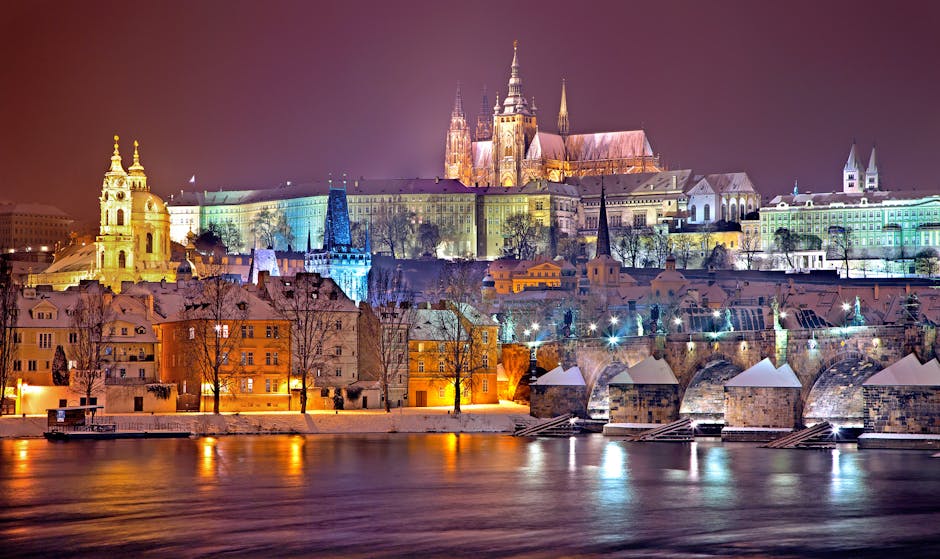
The legacy of corruption in Czechia has historic ties, dating back to the Communist era when state-run economies often saw unethical practices due to lack of transparency and accountability. These historical roots have unfortunately permeated into modern-day governance, perpetuating a cycle of corruption that can be difficult to break.
Following the Velvet Revolution and the transition to a market economy, many remnants of previous corrupt systems persisted. This has led to a public perception that corruption is still prevalent, despite legislative attempts to curb it. Such historical context is vital for understanding the complexities involved in tackling corruption today.
Furthermore, the privatization period during the 1990s opened new avenues for corruption, as rapid changes sometimes lacked oversight, leading to significant loopholes that unscrupulous individuals could exploit.
Impact on Political and Economic Systems

Corruption undermines the democratic foundations of Czechia by affecting political integrity and public trust. When citizens perceive that government officials are involved in corrupt activities, it can lead to disengagement and apathy, weakening the overall civic structure.
Economically, corruption acts as a barrier to growth and investment. Businesses may find themselves ensnared in bureaucratic red tape or forced to engage in bribery to expedite processes. This not only discourages foreign investment but also burdens local enterprises.
Corruption contributes to unequal socio-economic development, creating an uneven playing field that favors those who can afford to manipulate the system. This inequality can stifle innovation and deter entrepreneurship.
Institutional Responses and Reforms

The Czech government has implemented several reforms to address corruption, including stricter legislation and the establishment of watchdog agencies. These efforts aim to enhance transparency and accountability within public institutions.
Key legislative measures, such as the Whistleblower Protection Act, have been introduced to encourage reporting of corrupt practices without fear of retribution. Increased scrutiny and empowerment of anti-corruption bodies are integral to these reforms.
In addition, efforts are being made to digitize government services, reducing human interaction and potential corruption. This aligns with broader EU standards for transparency and governance.
The Role of Civil Society and Media

Civil society organizations and the media play pivotal roles in combating corruption by bringing issues to light and holding power accountable. Investigative journalism has been instrumental in exposing high-profile corruption cases and rallying public opinion for reform.
Public engagement through civil society initiatives creates pressure on government bodies to act responsibly. Advocacy groups often partner with international organizations to strengthen their credibility and influence.
Sustained effort from an informed public is essential to drive change, making civic education and awareness campaigns fundamental components in the fight against corruption.
In conclusion, tackling corruption in Czechia requires a multifaceted approach that combines historical understanding, legal reform, public engagement, and media vigilance. By addressing these areas, Czech society can hope to build a more transparent and equitable future.
Source: Official Czech government website.