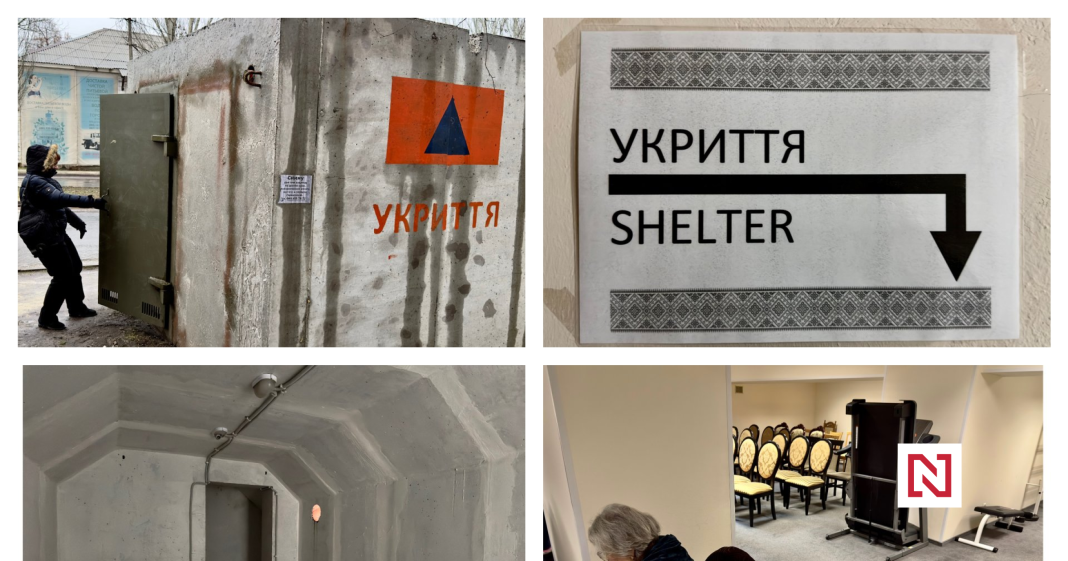

As the conflict in Ukraine continues, the need for safe havens becomes increasingly urgent. Underground shelters have emerged as vital sanctuaries, providing refuge with fortified doors, child-friendly spaces, and essentials for families seeking safety.
Design and Safety Features
These underground shelters are meticulously designed to ensure maximum safety. Armored doors serve as the first line of defense, capable of withstanding strong external forces. The shelters are often equipped with reinforced walls and ventilation systems that maintain a fresh air supply, crucial for prolonged stays.
The safety features are tested rigorously to ensure durability under dire conditions. Doors and walls are constructed to endure not only physical attacks but also adverse environmental conditions. In some cases, these shelters are built deep underground, further enhancing their protective capabilities.
Child-Friendly Environments

Understanding that families, including children, may need to use these shelters for extended periods, designers prioritize creating child-friendly environments. Shelters often include designated areas with beds specifically sized for children, complete with soft bedding to provide comfort similar to home.
In addition to sleeping arrangements, play areas with toys and educational materials are a common feature. These elements are designed to help alleviate the psychological stress children may experience during these tumultuous times and to foster a sense of normalcy amidst chaos.
Community and Psychological Support

Besides physical safety, the shelters aim to provide psychological support for their inhabitants. Many are equipped with the necessary facilities for community activities, allowing families to interact and support each other during challenging times.
Access to mental health professionals is often arranged, whether through on-site visits or virtual consultations. The importance of community and mental well-being cannot be overstated, as these elements play a crucial role in maintaining the morale and resilience of those seeking refuge.
Logistical and Operational Challenges
Building and maintaining these shelters present several logistical challenges. Securing locations that are both accessible and strategically safe is paramount. Authorities coordinate with experts in architecture and security to identify and adapt suitable sites.
Operationally, continuous upkeep is necessary to ensure the shelters remain fully functional. Regular checks and the stocking of essential supplies, such as food, water, and medical kits, are critical. These efforts require a coordinated approach between local authorities and international humanitarian organizations.
In conclusion, underground shelters for Ukrainians offer vital protection and solace during ongoing conflicts. Their thoughtful design, focus on family needs, and integrated support systems demonstrate a robust response to a challenging humanitarian situation.