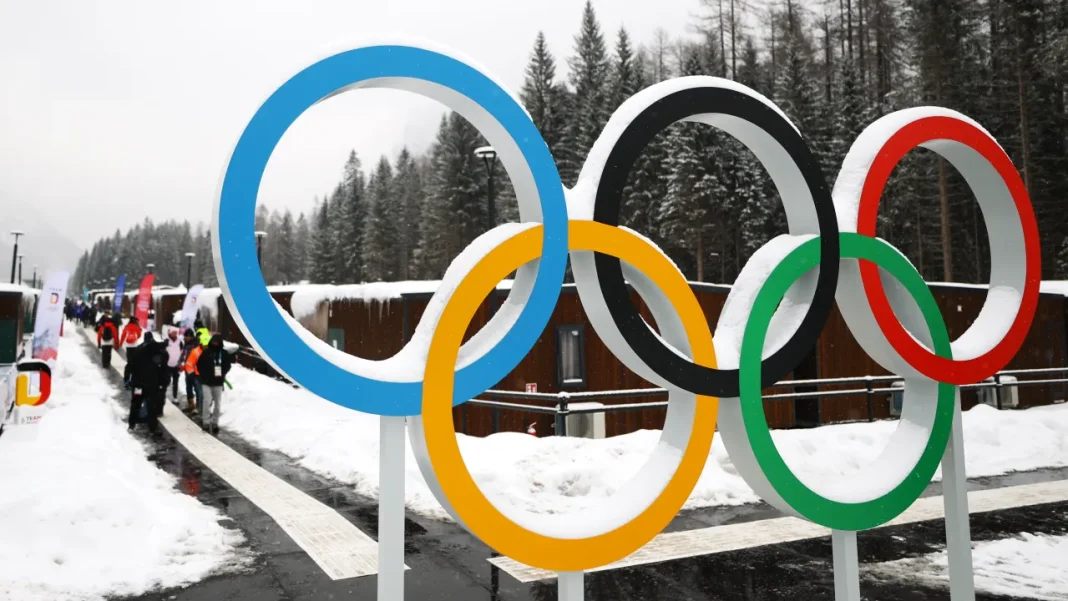

The decision by Ukraine to boycott the upcoming Paralympic Games over Russia’s participation has ignited widespread discussion and controversy. The announcement, reported by Czech Television News, underscores the ongoing tensions stemming from Russia’s actions in Ukraine and highlights the significant intersection of sports and politics.
Ukraine’s Stance on Boycotting the Paralympics

Ukraine’s decision to withdraw from the Paralympics follows the acceptance of Russian athletes in the event. This is perceived as a powerful political statement against Russia amid the ongoing Ukrainian conflict. Ukrainian officials have expressed that allowing Russian competitors undermines the principles of fair play and peace, which are foundational to the spirit of the Games.
The boycott not only affects Ukrainian athletes, who have been preparing for the games but also sends a message of solidarity to other nations. Ukraine is urging allied countries to consider similar actions, arguing that unified opposition could lead to more significant consequences for Russia’s continued aggression.
Implications for Athletes

The decision to boycott has profound implications for Ukrainian athletes who have dedicated years to training for the Paralympics. The athletes are faced with the disappointment of not competing on an international stage, and some have expressed frustration over being caught in the middle of a political conflict. The Ukrainian Paralympic Committee is working to address the concerns of these athletes, emphasizing that the decision was made in the country’s best interest.
Meanwhile, Russian and Belarusian athletes, who have faced various bans and restrictions in global sports since the conflict began, finally found avenues to compete. However, some critics argue that their participation could detract from the integrity of the games.
The Impact on International Sports
This move by Ukraine could prompt a ripple effect in international sports, potentially influencing governing bodies to rethink policies regarding the participation of athletes from nations involved in conflicts. Previous international sporting events have seen similar controversies, suggesting the possibility of precedent-setting decisions that could alter future games.
Sports organizations find themselves at a crossroads, balancing the need for inclusivity and neutrality with the ethical considerations arising from global conflicts. This situation shines a light on the broader question of how international sports should navigate geopolitical tensions.
Responses from the International Community
Countries and organizations worldwide are reacting differently to Ukraine’s announcement. Some countries have voiced support for Ukraine’s boycott, expressing a firm stance on Russia’s actions. Others remain cautious, focusing on the importance of keeping sports and politics separate.
The International Paralympic Committee (IPC), responsible for the governance of the Paralympics, is under scrutiny to address these issues effectively. The IPC has stated that its decision to allow Russian athletes was made in line with existing rules, but it continues to face pressure to reconsider its stance in light of Ukraine’s withdrawal.
Future Considerations for the Paralympic Movement

The current situation prompts a reevaluation of how global sports events are organized and governed. With geopolitical tensions increasingly influencing participation, there may be a call for the development of clearer policies regarding athletes from conflict-affected nations.
The ongoing tensions present a challenge but also an opportunity for international sports bodies to strengthen their commitment to peace and unity. Stakeholders are urged to collaborate and find solutions that respect both the spirit of competition and the realities of the global stage.
Ultimately, Ukraine’s boycott underscores the complex relationship between sports and politics, highlighting the need for continued dialogue and strategic action to ensure the integrity of international sporting events.
Source: Official International Paralympic Committee website.