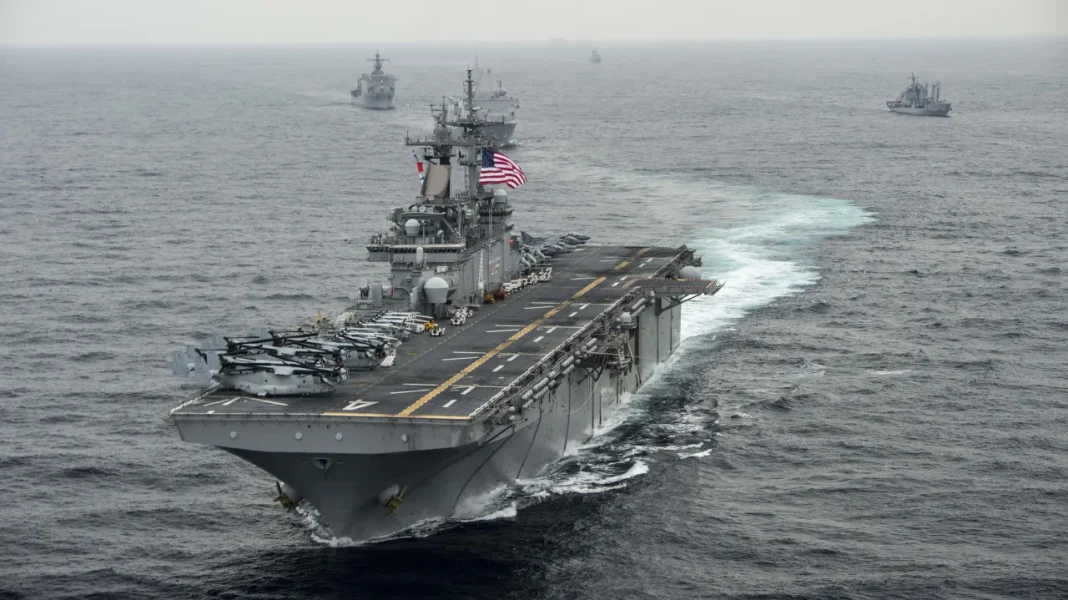

The U.S. military has launched a strike on a suspected drug-smuggling vessel in the Caribbean, resulting in the deaths of three individuals. The operation highlights ongoing efforts to curb illicit activities in the region.
Operation Details

The military operation targeted a vessel believed to be engaged in drug trafficking operations off the coast of the Caribbean. According to official reports, the strike was part of a broader campaign to disrupt smuggling routes used for transporting illegal substances into the United States. The vessel was monitored and engaged after it ignored warnings and failed to comply with direct military orders.
This strike underscores the strategic importance of the Caribbean in the global fight against drug smuggling operations. With its vast expanses of ocean and numerous islands, the Caribbean serves as a transit point for narcotics traveling from South America to North America and Europe.
Impact on Drug Trafficking Networks

The U.S. military’s intervention into smuggling activities represents a significant setback for organized crime networks operating in the region. By targeting key maritime routes, authorities aim to disrupt the flow of narcotics and weaken the infrastructure that supports these illegal operations.
Such operations are crucial not only in intercepting illegal substances but also in gathering intelligence that aids in dismantling broader criminal organizations. The capture or neutralization of key assets, such as smuggling vessels, serves to diminish the operational capabilities of drug syndicates.
International Cooperation and Challenges

Efforts to combat drug trafficking in the Caribbean require extensive international cooperation. The United States works closely with regional partners to share intelligence and resources, enhancing the effectiveness of anti-smuggling operations. Countries such as Colombia, Jamaica, and the Dominican Republic play key roles in these collaborative efforts.
Despite successful operations, challenges remain, including complex jurisdictional issues and the evolving tactics of drug traffickers, who continually adapt to law enforcement strategies. This necessitates constant vigilance and innovation in counter-narcotics strategies.
Broader Implications for Regional Security

Operations like this have broader implications for security in the Caribbean region. Drug smuggling not only fuels organized crime but also contributes to political instability and violence, impacting local communities and economies. By reducing the flow of narcotics, regional governments hope to improve stability and safety.
The U.S. military’s involvement underscores the commitment to security and stability in the Caribbean, aligning with broader international efforts to create a secure maritime environment. These initiatives seek to ensure that the region is not only safe but also prosperous and resilient against criminal enterprises.
The successful strike against the suspected drug-smuggling ship marks a significant moment in the ongoing fight against illegal drug trafficking in the Caribbean, illustrating the importance of coordinated international action.