

Turkey’s recent elections have brought unexpected outcomes, leaving analysts intrigued by the complex political landscape. While the main contender may not have secured victory, the current president also didn’t emerge as a clear winner, sparking debates about the country’s future direction.
The Political Landscape in Turkey
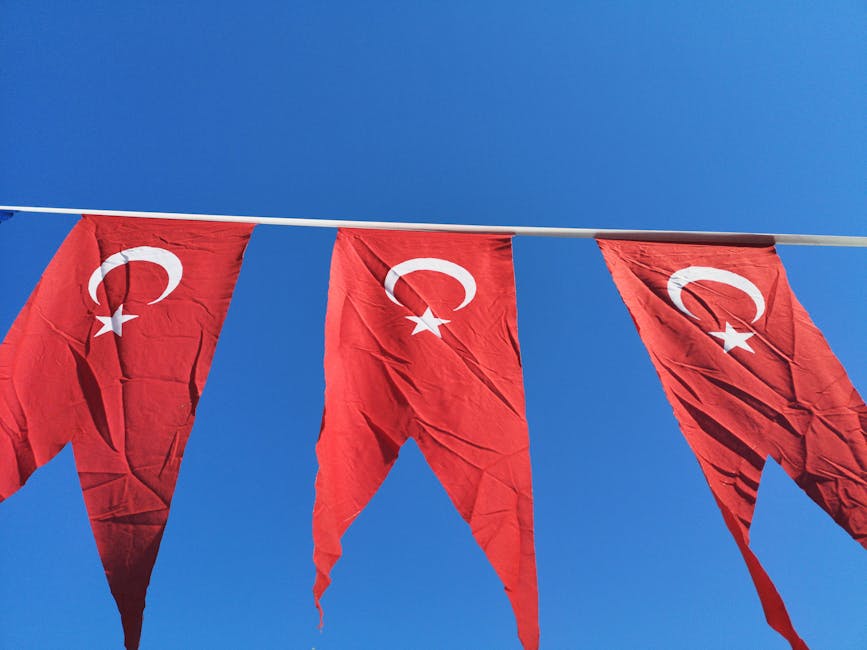
The latest elections in Turkey have highlighted the persistent challenges faced by opposition parties in unseating the ruling government. Although the opposition candidate made significant strides, the support for the current administration demonstrated a deep-rooted political divide. This election cycle has underscored the complexity of Turkish politics, where regional loyalties and economic concerns heavily influence voter behavior.
President Erdoğan’s continued hold on power, despite multiple challenges, points to the robust structure and reach of his party. Throughout his leadership, he has maintained a narrative that resonates with key demographic groups, ensuring their unwavering support. However, the narrow margins and contentious debates attending this election suggest growing dissatisfaction among certain segments of the population.
Implications for Domestic Policy

The outcomes of this election will significantly affect Turkey’s domestic policies, especially in areas such as economic reform and civil liberties. With high inflation and unemployment rates, maintaining economic stability will be crucial. The opposition’s success in garnering substantial support indicates a demand for change, particularly in managing Turkey’s economic challenges.
Moreover, the election results may prompt the government to reconsider its approach to civil liberties and democratic reforms. Recently, there have been increasing calls for greater freedom of expression and judicial independence, areas where the ruling party has faced criticism. While systemic change might be gradual, pressure from the opposing camp could lead to more immediate policy shifts.
Regional and International Relations

Turkey’s foreign relations are another arena where the election results may have a significant impact. As a key player in both the Middle East and Europe, Turkey’s strategic decisions often attract global attention. The ruling party’s foreign policy, characterized by assertive regional engagements, could either continue or face adjustments if internal pressures mount.
The opposition’s relatively strong showing might embolden efforts to foster closer ties with Western nations, contrasting with Erdoğan’s sometimes contentious relationships with allies. Such shifts could influence Turkey’s diplomatic strategies and affect its role within organizations like NATO.
Future Challenges and Opportunities

Looking ahead, Turkey faces a myriad of challenges but also opportunities for renewal and reform. The results of this election emphasize the need for political inclusivity and dialogue. Navigating the dual demands for stability and change will be critical for Turkey’s leadership as it aims to meet the evolving expectations of its citizens.
Economic resilience, civil liberties, and international diplomacy will continue to be focal points for the administration. Adaptive governance that recognizes the contrasting voices within Turkey’s electorate may pave the way for a more cohesive national vision.
In conclusion, while the Turkish elections may not have produced a definitive winner, they have certainly reshaped the political conversation, setting the stage for potential transformations in governance, policy, and international standing.