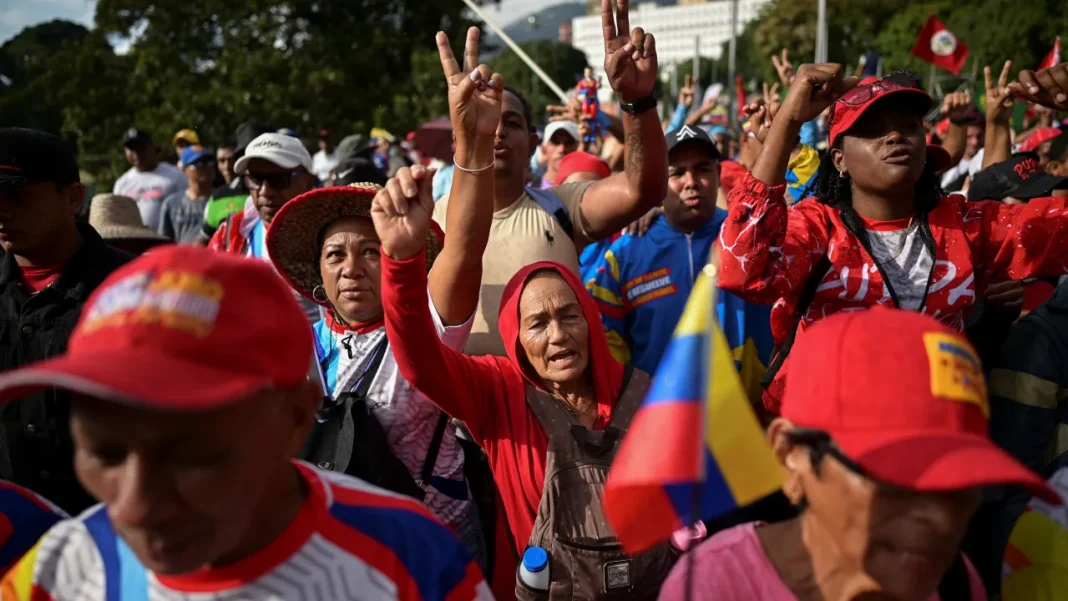

The political tensions in Turkey have reached a new level as President Recep Tayyip Erdoğan refuses to appoint a new minister. This decision may soon spark significant unrest among motorists, potentially leading to confrontations with the government’s operating hub, often referred to as ‘The Castle.’
Presidential Decision Sparks Controversy
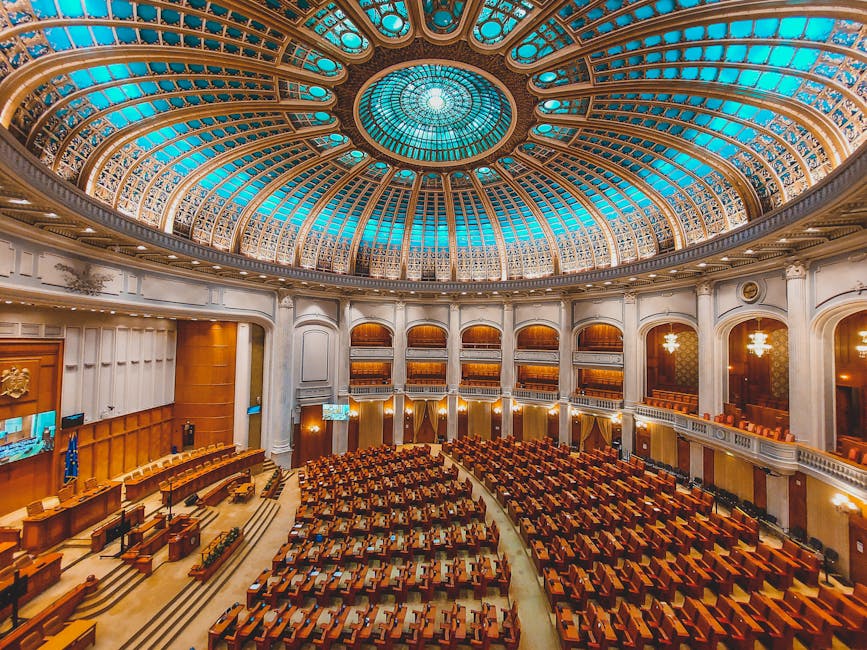
President Erdoğan’s refusal to appoint a new minister has raised eyebrows and ignited debate across Turkey. This comes amidst ongoing disputes within the country’s political landscape. The president’s decision is perceived as part of a broader strategy to consolidate power, leaving key governmental roles unfilled. Critics argue this move could hinder the government’s ability to effectively manage critical issues, including transportation and infrastructure.
As a consequence, the transport sector, vital to Turkey’s economy, may struggle to cope with mounting demands and impending reforms. These delays can lead to significant disruptions, affecting both daily commutes and logistics within the region.
Motorists Prepare for Protest

As frustrations mount, Turkish motorists are growing increasingly restless. Many feel neglected by the government’s apparent inaction and lack of clear leadership in the transportation sector. This unrest is particularly pronounced in urban areas like Istanbul and Ankara, where traffic congestion and infrastructure issues are daily concerns.
Organized protests are being discussed among various motorist groups, with plans to voice their displeasure directly to governmental entities housed within ‘The Castle.’ Such actions indicate a brewing movement demanding immediate attention to their grievances.
Implications for Urban Mobility

The refusal to appoint a new minister could have significant repercussions on urban mobility. Without clear leadership, stalled projects and delayed maintenance could become commonplace, exacerbating existing traffic woes. This is especially critical in a country where road transport is a primary mode of passage.
The potential protests could also disrupt public transport routes, further straining a system already on the brink. Urban planners and policymakers face mounting pressure to devise temporary solutions to manage this potential crisis effectively.
The Castle: A Symbol of Power and Protest

‘The Castle,’ the common reference for Turkey’s presidential and administrative enclave, stands as both a symbol of power and a focal point for dissent. Historically, the site has been a stage for numerous demonstrations aimed at influencing the government’s policy decisions.
This potential clash between motorists and the seat of power in Turkey is emblematic of larger societal frustrations. It underscores a growing divide between the needs of the public and the political maneuvers of the country’s leadership. Effective dialogue and swift action are necessary to quell the unrest and realign governmental priorities with public expectations.
The unfolding events in Turkey reflect a nation at crossroads, where leadership decisions have profound impacts on daily life. As the situation evolves, all eyes remain on the actions of ‘The Castle’ and its ability to navigate through turbulent times.