As the U.S. presidential elections approach, former President Donald Trump is reportedly exploring new strategies that could influence the Republican Party’s prospects. These maneuvers, while aiming to enhance his political footing, may also pose significant risks for the party’s overall success.
Trump’s Evolving Election Strategies
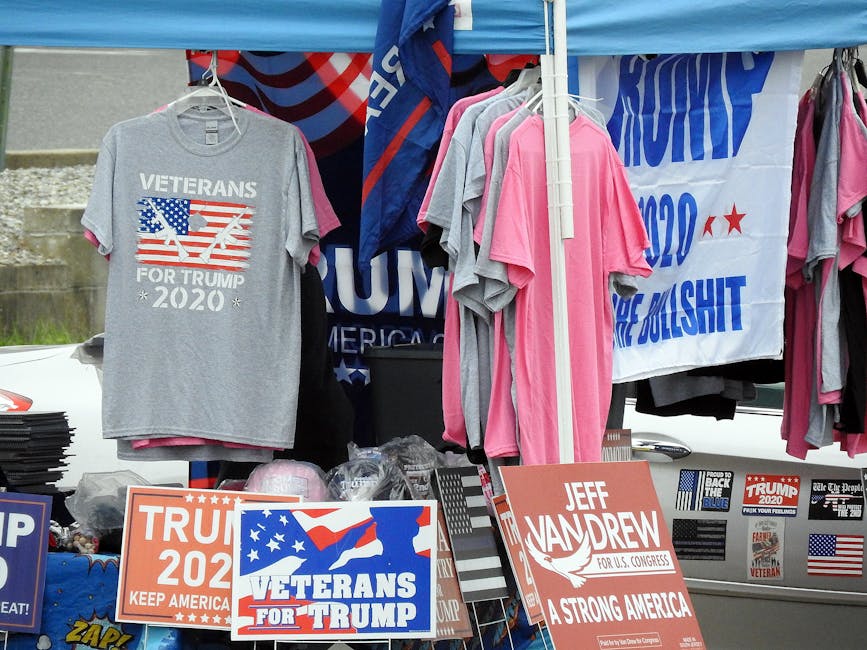
In recent months, Trump’s approach to the upcoming elections has been marked by a series of innovative but controversial tactics. Sources suggest that he plans to leverage his substantial media presence and loyal supporter base to influence key primaries. By endorsing candidates who align closely with his vision, Trump hopes to solidify his influence within the party. However, this method is not without risks, as it may alienate moderate Republicans and increase internal party conflict.
Another aspect of Trump’s strategy includes focusing on electoral changes and questioning voting processes in various swing states. This approach is intended to rally his supporters and cast doubt on unfavorable election outcomes. Critics argue that such tactics could undermine public confidence in democratic institutions.
Potential Impact on the Republican Party

The potential impact of Trump’s schemes on the Republican Party is multifaceted. On one hand, his strategies could galvanize a robust voter turnout among his base, providing a significant boost during elections. On the other hand, the tactics might repel independent voters and moderate Republicans, who play a pivotal role in swing states.
Moreover, Trump’s influence could lead to increased factionalism within the party. Candidates endorsed by Trump often espouse policies that differ from traditional Republican ideals, potentially leading to a fragmented voter base. This division could weaken the party’s unified front and impact its electoral success.
Reactions from Republican Leaders

Reactions from Republican leaders regarding Trump’s election schemes have been mixed. Some GOP members advocate for a more traditional approach, emphasizing unity and broad appeal to win back voters disillusioned with recent controversies. Others within the party remain supportive of Trump’s strategies, viewing them as a means of maintaining a strong, passionate voter base.
Party officials are wary of potential backlash and have called for a balanced approach, encouraging Trump to support the broader Republican agenda while refining his tactics. The interplay between Trump’s influence and the party’s ambitions will be crucial in determining their success in future elections.
Implications for Future Elections

The implications of Trump’s new election schemes extend beyond the immediate future. Should these strategies prove divisive, they could lead to a reexamination of Republican priorities and a shift in candidate selection during primaries. This, in turn, would shape the party’s identity and platform for years to come.
Furthermore, the effectiveness of Trump’s tactics could influence other political figures and parties, potentially reshaping the American political landscape. Whether this approach will ultimately strengthen or weaken the Republican Party remains uncertain, but its impact will undoubtedly be substantial.
In conclusion, while Trump’s new election strategies could energize key segments of the Republican base, they also risk dividing the party and alienating critical voter groups. As the elections draw nearer, the Republican Party must navigate these challenges carefully to ensure a strong performance at the polls.