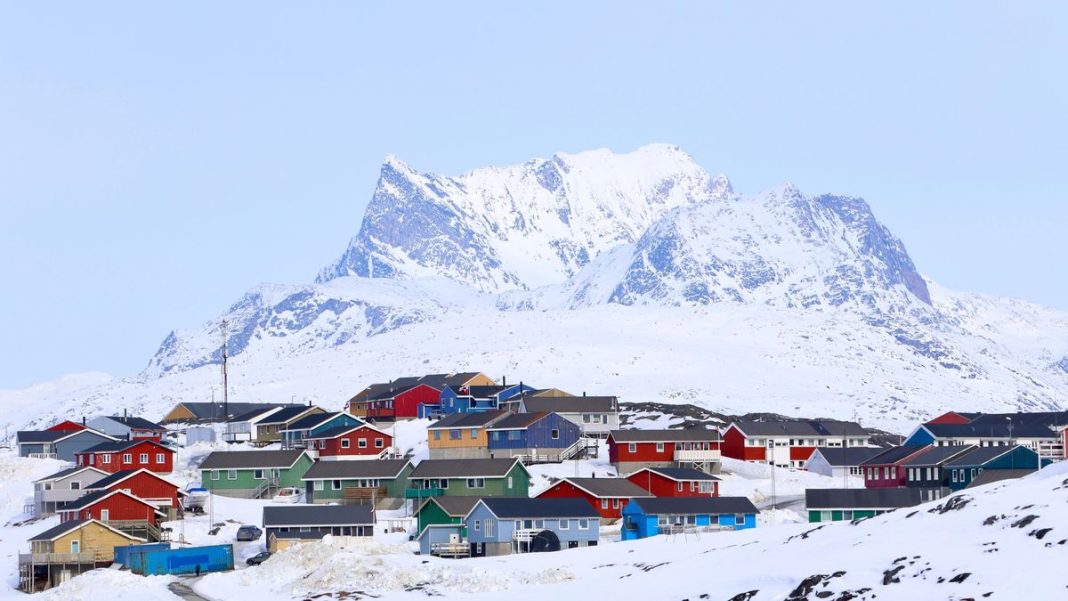

Recently, former U.S. President Donald Trump reignited conversations about Greenland as he expressed interest in purchasing the vast Arctic territory. However, this raises a broader question about the priorities of American citizens today. While international real estate deals capture headlines, what are the underlying issues that actually concern Americans?
The Greenland Proposal

In 2019, Donald Trump’s suggestion to buy Greenland from Denmark was met with surprise and amusement by many. The proposal highlighted the geopolitical strategy of expanding U.S. influence in the Arctic, a region becoming increasingly important due to climate change and potential resource exploitation. Greenland, with its strategic location and untapped mineral wealth, represents a unique geopolitical interest.
This idea was not entirely new, as the United States has considered the acquisition of Greenland since the early 20th century. The proposal raised discussions about sovereignty, international diplomacy, and environmental implications, but it also brought to light the priority given to global strategies over pressing domestic issues.
Domestic Concerns of Americans

While international headlines often grab attention, issues closer to home are of primary concern to many Americans. Healthcare remains a significant focus, as debates continue over accessibility, insurance coverage, and medical costs. The COVID-19 pandemic intensified these concerns, revealing deep systemic weaknesses and disparities.
Economic stability is another pressing issue, with many citizens worried about inflation, unemployment, and wage stagnation. The pandemic led to a reevaluation of labor markets, and Americans are increasingly vocal about the need for economic policies that support working families and small businesses.
The Role of Climate Change

Climate change is increasingly a central concern for Americans, impacting policy discussions and individual decisions alike. The environmental impacts observed worldwide underscore the urgent need for action, with extreme weather events and rising sea levels affecting communities across the United States.
The Biden administration has prioritized rejoining global climate agreements and implementing green infrastructure projects. However, challenges persist in balancing these initiatives with economic growth and energy demands, reflecting ongoing debates about the best path forward.
Political Polarization

Amidst these issues, political polarization remains a challenging obstacle. The U.S. continues to experience deep divisions along ideological lines, impacting everything from social policies to foreign affairs. This polarization complicates consensus-building and effective governance, hindering progress on pressing national issues.
Efforts to bridge these divides are ongoing, with local and national initiatives focused on fostering dialogue and understanding. Americans are actively seeking solutions that promote unity and collaboration, aiming to address the critical issues that affect the nation’s future.
While discussions around Trump’s interest in Greenland highlight broader strategic concerns, the American public remains deeply focused on domestic issues like healthcare, economic stability, climate change, and political unity. Understanding these priorities is crucial for comprehending the current American landscape.