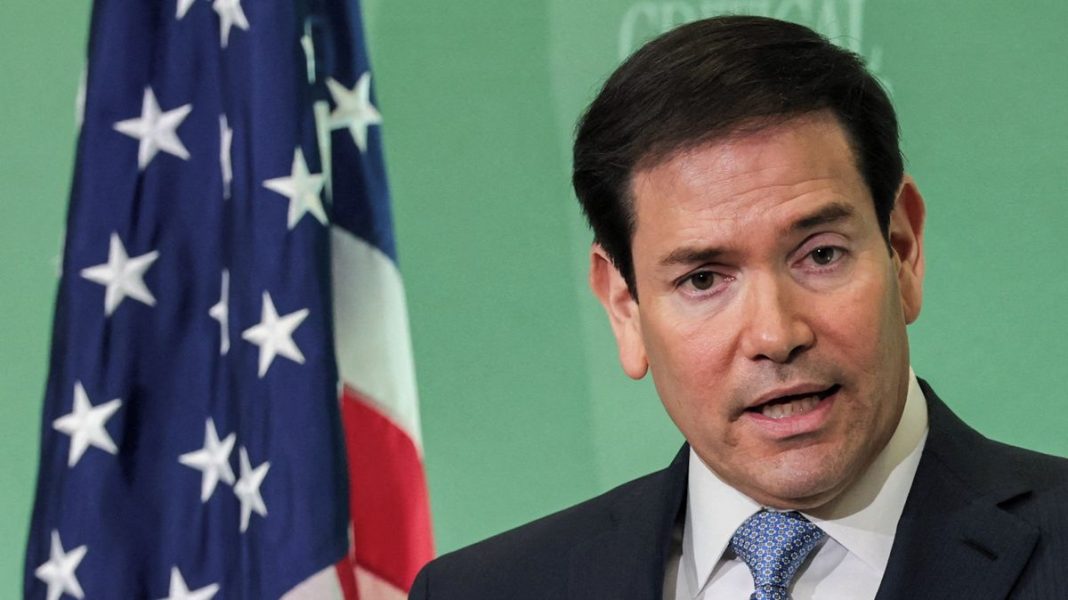

The diplomatic strategies employed by figures associated with former President Donald Trump have long been a source of intrigue and speculation. Among these figures, one strategist aims to challenge authoritarian regimes but remains conspicuously distant from engaging with Russian President Vladimir Putin.
Background of the Diplomatic Strategist

The strategist in question has been involved in international politics for several years, gaining recognition for their work in shaping foreign policy during Trump’s presidency. Known for their hardline stance against authoritarianism, this individual has sought to promote democratic ideals in various regions. Despite this, their reluctance to confront Putin raises questions about the complexities of diplomatic relations with Russia.
Under the Trump administration, the strategist focused on challenging dictatorial regimes, aiming to leverage diplomatic pressure and sanctions to promote change. Their strategy often involved collaborating with international allies and using economic incentives as tools for negotiation.
Despite these efforts, the strategist has carefully avoided direct confrontation with Russia. This decision may stem from a broader geopolitical strategy that considers Russia’s significant influence in global affairs.
Rationale Behind Excluding Putin

The decision to steer clear of Putin could be driven by multiple factors. Russia’s geopolitical clout and its strategic alliances make it a formidable player on the world stage. Engaging with Putin might require navigating complex negotiations that could have far-reaching implications for U.S. foreign policy.
Additionally, the Trump administration’s stance towards Russia was often scrutinized for its perceived leniency. The strategist might have opted to focus on more attainable targets, where diplomatic efforts could yield quicker and more tangible results.
The choice to avoid direct confrontation with Russia also reflects the challenges of aligning international norms with national interests. Balancing these priorities often requires careful deliberation and measured strategies.
Impact on Global Diplomacy
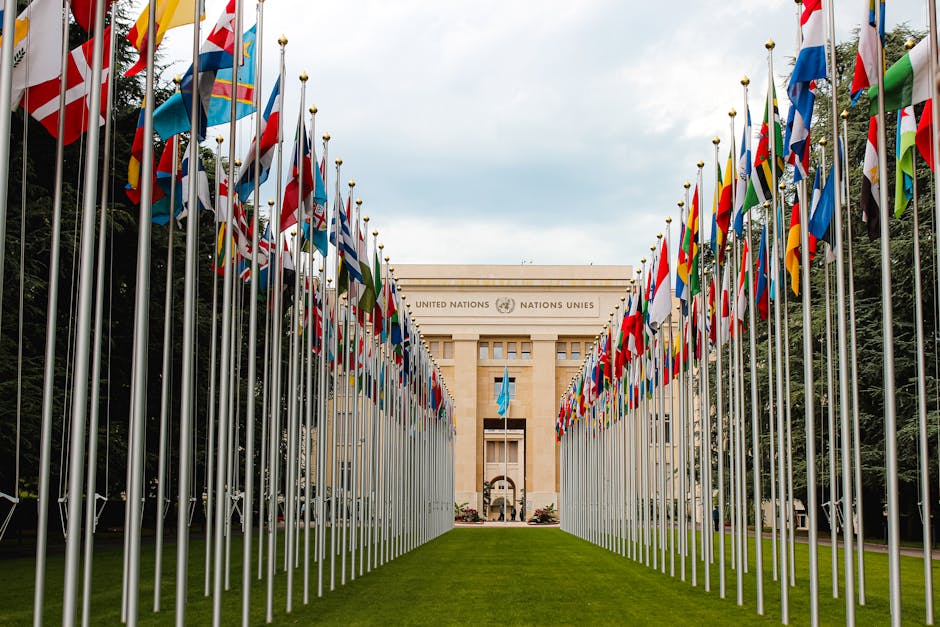
The strategist’s approach has influenced global diplomatic efforts, shaping how the U.S. and its allies address authoritarianism. Their work has highlighted the importance of multilateral cooperation in tackling dictatorship-related challenges.
By focusing on nations such as North Korea and Venezuela, the strategist has contributed to broader discussions about the efficacy of sanctions and international pressure. These efforts have underscored the role of diplomacy in achieving sustainable political change.
However, the decision to avoid Putin has led some critics to question the overall effectiveness of their strategy. The lack of engagement with Russia may limit opportunities for broader dialogue and resolution in areas of mutual concern, such as arms control and cyber security.
Future Prospects

As global political dynamics evolve, the strategist’s future role in diplomatic circles remains uncertain. Potential changes in U.S. political leadership could affect the country’s foreign policy priorities, which might, in turn, alter the strategist’s influence and approach.
The ongoing tension between promoting democracy and respecting national sovereignty will likely continue to shape diplomatic strategies. Navigating these complexities requires innovative and adaptable policies that address both immediate challenges and long-term objectives.
Despite past criticisms, the strategist’s contributions have sparked important conversations about the nature of international diplomacy and its role in fostering global stability.
In conclusion, the work of Trump’s diplomatic strategist highlights both the possibilities and limitations of modern diplomacy. While they aim to overthrow dictators, their hesitation to engage with Putin signals the intricacies of dealing with powerhouses on the global stage.