
Recent reports indicate that Venezuela has delivered 30 million barrels of oil to the United States, a significant development amid shifting global energy dynamics. As this situation evolves, questions arise regarding who will continue drilling and the broader implications for the energy sector.
Venezuela’s Oil Delivery to the United States
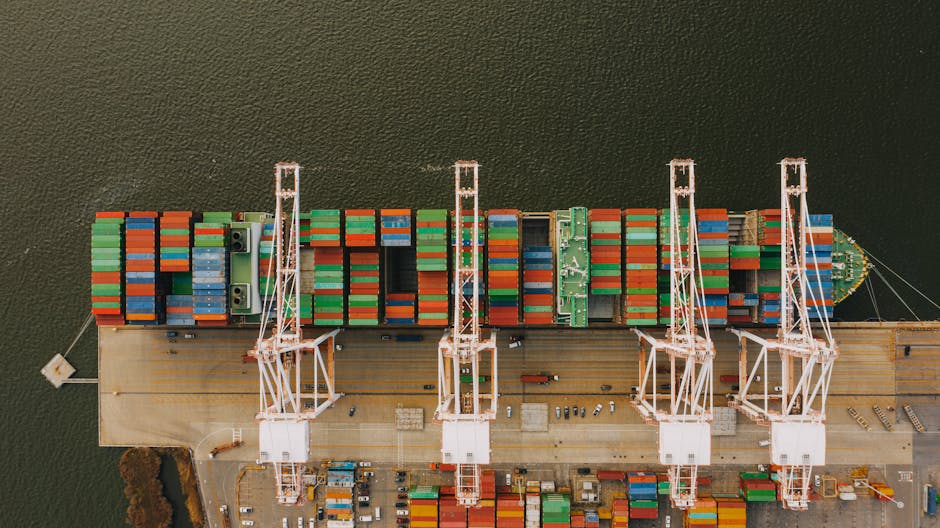
The delivery of 30 million barrels of oil from Venezuela to the US marks a pivotal moment in international energy cooperation. Despite previous sanctions and geopolitical tensions, this transaction demonstrates a renewed engagement between the two nations. The shipment is expected to bolster US crude reserves, providing temporary relief amidst fluctuating global oil prices.
Venezuela’s decision to export such a significant amount of oil is influenced by its need to generate revenue and stabilize its economy. This move also aligns with the US’s strategic interests as it looks to diversify its oil sources and reduce dependency on other major oil-exporting countries.
Impact on the Global Oil Market

The deal between the US and Venezuela could lead to shifts in the global oil market, affecting prices and production strategies. As one of the largest oil reserves, Venezuela’s re-entry into international markets may influence OPEC dynamics and global production quotas.
This development could also compel other oil-producing nations to reassess their output and export strategies. As the demand for energy continues to rise, the market may witness increased competition among exporters, potentially leading to more favorable conditions for oil-importing countries.
Challenges in Venezuelan Oil Production

The continuation of drilling in Venezuela faces numerous challenges, including deteriorating infrastructure and a lack of investment. Political instability and economic sanctions have historically impeded the country’s ability to fully harness its oil potential.
Efforts to attract foreign investment are crucial for revitalizing the sector. However, longstanding governance issues and economic uncertainty may deter potential investors from committing capital to Venezuelan oil projects.
The Future of US-Venezuela Energy Relations

This oil delivery could signal a warming of relations between the United States and Venezuela, potentially opening the door for future collaborations. The US’s interest in securing stable and diverse energy sources aligns with Venezuela’s need to integrate more fully into the global economy.
However, any long-term partnership will require careful negotiation and mutual understanding of each nation’s strategic goals. The outcome of these discussions could reshape bilateral relations and contribute to regional stability in the Americas.
As the energy landscape continues to evolve, the implications of Venezuela’s oil deliveries to the United States will undoubtedly play a significant role in shaping future energy policies and geopolitical relations.