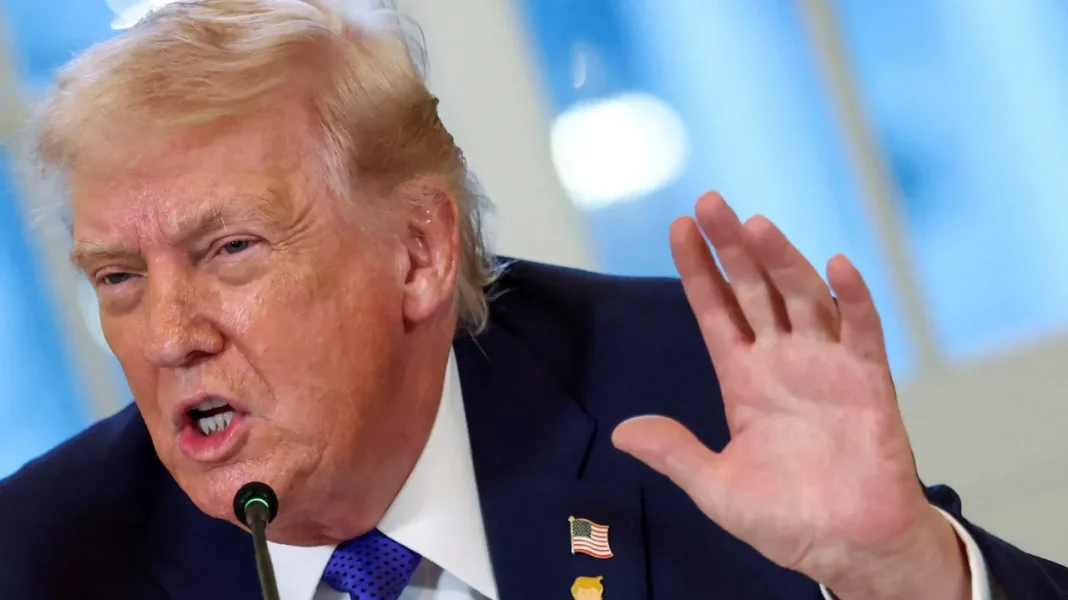

Former U.S. President Donald Trump has called on Cuba to reach an agreement with the United States, warning the country that failure to do so may result in the cessation of vital oil supplies. This move underscores ongoing tensions between the two nations that have been historically complicated.
Background of U.S.-Cuba Relations

The relationship between the United States and Cuba has been fraught with tension for decades. Following the Cuban Revolution in 1959, diplomatic ties were severely strained, leading to a U.S. trade embargo on the island. In recent years, there were attempts to mend these relations, notably under the Obama administration, which saw the restoration of diplomatic relations in 2015.
However, Trump’s presidency marked a reversal of these policies, as he instituted stricter sanctions and rolled back numerous efforts aimed at improving ties. The current situation stems from these historical dynamics, where Cuba seeks to navigate between pressure from U.S. policies and its economic dependencies.
Impact of Oil Supply Threats

Oil supply is crucial for Cuba’s economy, and threats to cut off these supplies can have significant impacts on the island’s daily operations and economic stability. The majority of Cuba’s oil has historically come from countries like Venezuela, but shifting political dynamics make these supplies vulnerable.
Trump’s ultimatum may further strain the Cuban economy, possibly leading to increased energy shortages and affecting sectors ranging from transportation to healthcare. Such developments could exacerbate public discontent and present challenges for the Cuban government.
Political Implications for Cuba

For the Cuban government, the potential loss of oil supplies presents both economic and political challenges. The leadership may be forced to seek new diplomatic solutions or alternative energy sources to buoy the economy and maintain public support.
Internally, this situation could lead to political debates about future alliances and economic policies, requiring careful navigation by Cuban leaders. The government may also have to evaluate domestic reforms to tackle the aggravated economic crisis.
Global Reactions and Future Prospects

Trump’s stance on U.S.-Cuba relations may trigger a spectrum of reactions globally. Countries with vested interests in Cuba, like Russia and China, may step in to fill the void left by the U.S., reshaping geopolitical dynamics in the region.
The future of U.S.-Cuba relations hinges on diplomatic negotiations. If Cuba responds by seeking constructive dialogues with the United States, there might be room for some form of agreement. However, the current situation presents substantial risks not only for Cuba but for regional stability as well.
The evolving scenario between the United States and Cuba remains a significant postscript in international relations. How these events unfold will depend on strategic decisions made by both nations in the coming months.