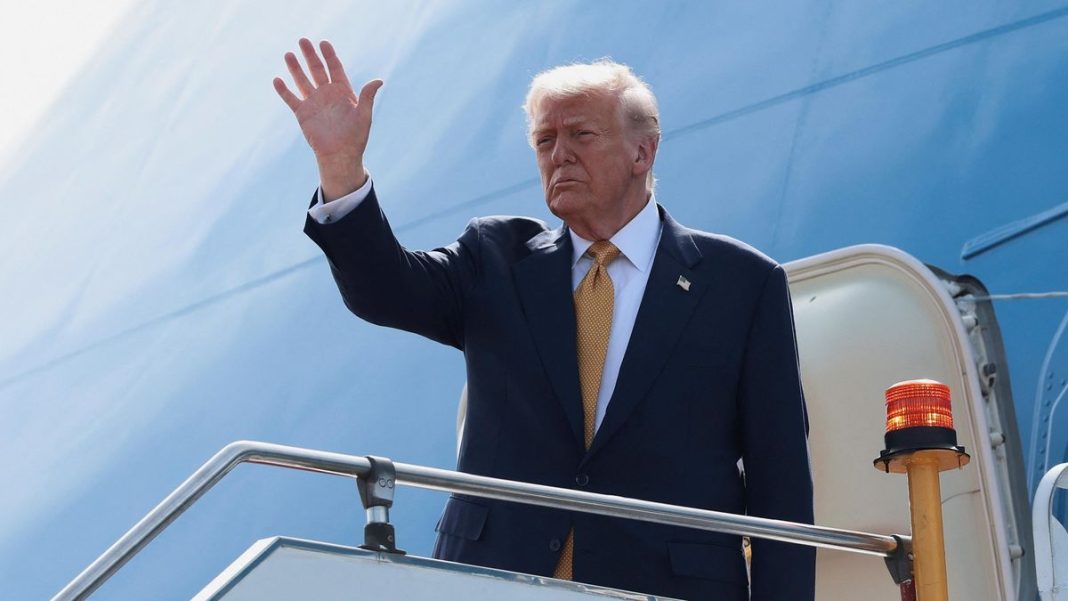

In recent developments, former President Donald Trump has ignited a fervent debate over his comments about potentially revoking the citizenship of Somali-born naturalized Americans. This proposal has raised numerous legal and ethical questions, sparking discussions across political and social spheres.
Trump’s Controversial Proposal

During a recent speech, Donald Trump suggested that he might pursue measures to revoke the citizenship of Somali-born individuals who have been naturalized in the United States. This suggestion has been met with significant backlash, not only from immigrant communities but also from a range of human rights organizations. Critics argue that such a move would conflict with established U.S. legal principles and international rights standards.
Trump’s comments are part of a broader narrative on immigration policies that have been central to his political identity. During his presidency, Trump initiated several measures to restrict immigration, impacting various communities, including those with refugee backgrounds. This current proposal, if acted upon, would mark an unprecedented step in U.S. immigration policy.
Legal and Constitutional Challenges

Revoking citizenship from naturalized citizens poses substantial legal challenges. The U.S. Constitution offers protections against arbitrary removal of citizenship. Legal experts have been quick to point out that such actions would likely violate constitutional rights, leading to a protracted legal battle.
Historically, stripping citizenship has been limited to cases of fraud during the naturalization process. Should Trump pursue this path, it would require significant legal gymnastics to redefine existing laws and justify such measures under current statutes, let alone withstand likely challenges in court.
Reactions from Somali-American Communities

The Somali-American communities have expressed deep concerns over Trump’s statements, fearing potential repercussions and increased discrimination. Many families and individuals have sought to build secure lives in the U.S., contributing positively to their communities and local economies.
Community leaders emphasize the importance of unity and resilience, urging members to remain informed and engaged. They argue that the debate highlights the ongoing need for comprehensive immigration reform and protection of human rights for all immigrants.
Political and Social Implications

The proposal has reignited discussions on immigration policies among political leaders. While some support stricter immigration measures, a significant number of policymakers advocate for humane and balanced approaches, focusing on integration and support systems for immigrants.
The social implications are equally significant, with the potential for increased polarization and tension within communities. Activists and advocates are working to ensure that the rights of naturalized citizens are upheld and protected from any unconstitutional actions.
In conclusion, Trump’s proposal to revoke the citizenship of Somali-born naturalized Americans has sparked considerable controversy. The ongoing dialogue highlights significant legal, social, and ethical issues that extend beyond this specific context.