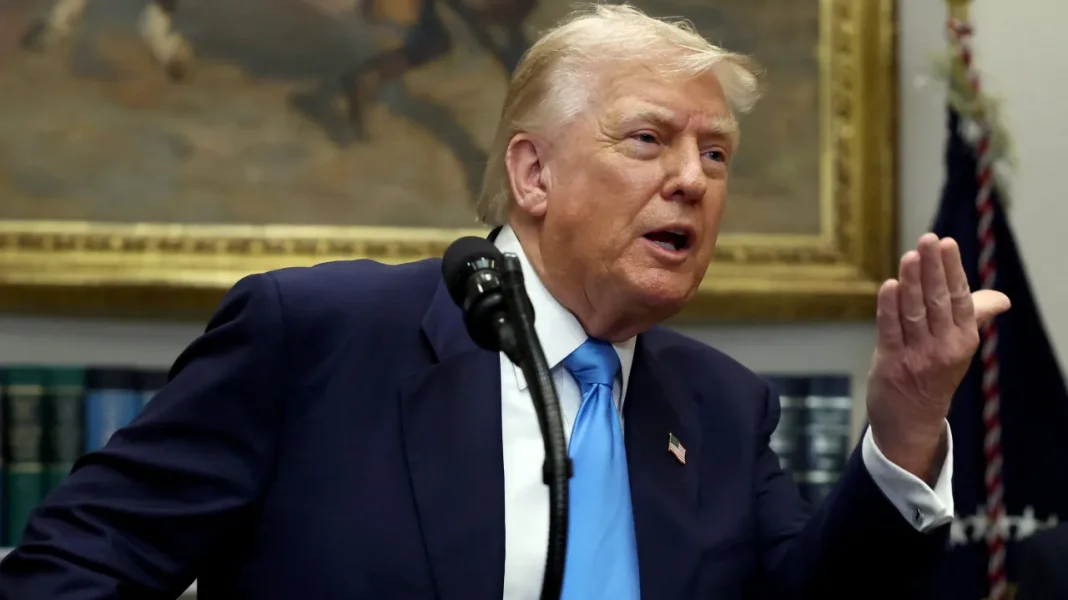

In recent developments, former U.S. President Donald Trump has made assertions concerning U.S. control over Venezuelan oil production. These statements have shed light on the complex geopolitical dynamics involved and have raised questions about international relations and energy policies.
The Context of U.S. Involvement in Venezuela

The United States has long had a vested interest in Venezuelan oil, given Venezuela’s vast crude reserves, which are among the largest in the world. Historically, the U.S. has been one of Venezuela’s biggest oil consumers. However, the relationship has become fraught with political tensions, especially following U.S. sanctions imposed on the Venezuelan government. Trump’s recent remarks suggest an alignment of U.S. interests towards regaining influence and potentially reshaping Venezuelan oil policies.
Under Trump’s administration, there was a clear strategy focusing on reducing Venezuela’s global oil market influence while attempting to stabilize American energy independence. The sanctions specifically targeted the Venezuelan state-owned oil company PDVSA, aiming to cut the Maduro regime’s financial resources.
Impact of Sanctions on Venezuelan Oil Production
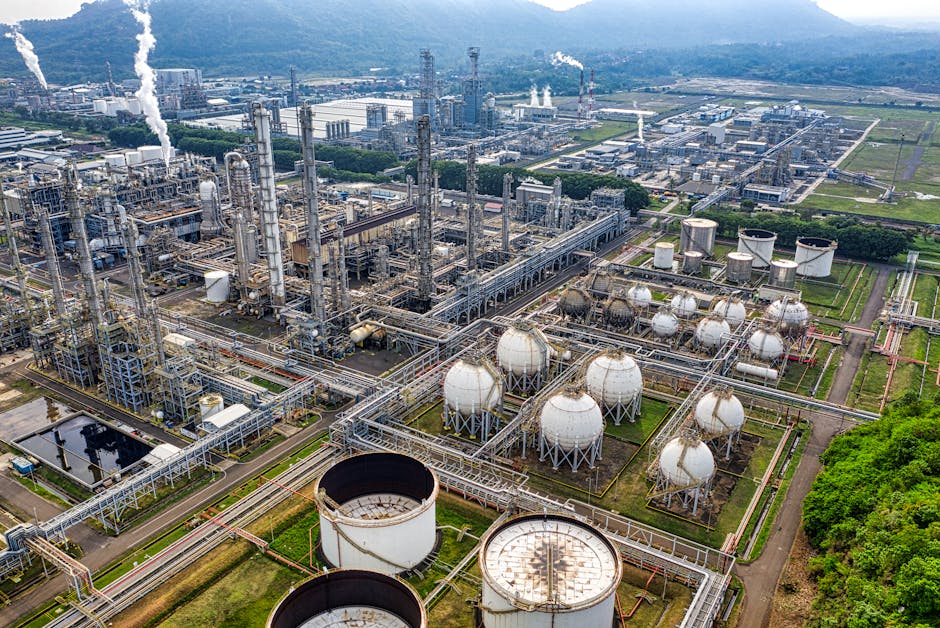
The imposition of sanctions significantly hampered Venezuela’s oil production capabilities, which, in turn, affected the global oil market. Venezuela struggled with declining production rates and a lack of investment in infrastructure. These sanctions were expected to pressure the Venezuelan leadership into political reform, aligning with U.S. interests in promoting democracy.
Venezuela’s oil industry has faced challenges with production facilities, technical expertise, and access to the international financial system as a direct result of these sanctions. The global impact has been a shift in traditional oil trade patterns, as other oil-producing nations have stepped in to fill the gap left by decreased Venezuelan exports.
Geopolitical Reactions and Ramifications

Trump’s comments on U.S. control have sparked debate among international stakeholders. Latin American nations and political analysts have expressed concerns about American interventions in the region’s sovereignty and economic affairs. Some view these assertions as a continued attempt by the U.S. to maintain influence over its neighboring regions, a stance that could potentially unsettle diplomatic relations.
Conversely, some European countries have shown inclination towards finding a diplomatic resolution to ease sanctions and stabilize Venezuela’s economy. This dichotomy in handling Venezuelan affairs highlights the divergent global strategies in managing international oil policies and geopolitical alliances.
Future Implications for U.S.-Venezuelan Relations

The future of U.S.-Venezuelan relations remains uncertain amid ongoing political changes within both nations. Trump’s statements may serve as an indication of a potential shift back to a more interventionist approach, a path that could either help stabilize or further strain relations depending on future diplomatic engagements.
If the U.S. continues to assert control or influence over Venezuelan oil production, it may lead to further international discourse on sovereignty and the ethics of economic sanctions as a tool for political leverage. It also raises questions about the responsibility of global powers in intervening in the domestic affairs of sovereign nations.
While Trump’s assertions draw attention to the ongoing geopolitical dynamics, the situation’s resolution will depend on multifaceted diplomatic efforts and the willingness of both U.S. and Venezuelan administrations to engage in constructive dialogue. The outcome could have lasting impacts on energy markets and international oil politics.