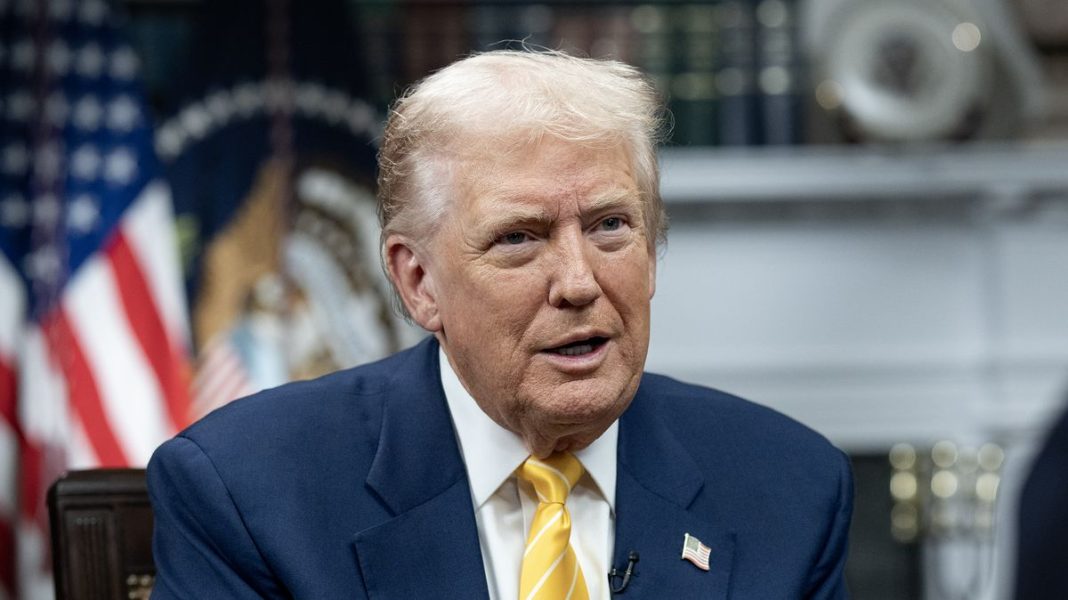

In a significant move, former US President Donald Trump has advocated for a second phase of truce in the Gaza conflict, focusing on both an extended ceasefire and the disarmament of Hamas. This announcement marks a continuation of efforts to secure lasting peace in the region.
Trump’s Proposed Ceasefire Extension

Donald Trump is lobbying for a renewed ceasefire in the Gaza Strip, aiming to provide a stable environment that could support humanitarian efforts and ease regional tensions. This initiative comes after recent escalations, which have put civilian populations at risk and strained regional resources. The former president’s strategy emphasizes diplomatic dialogue and cooperation from international allies.
Trump’s approach, drawing from his administration’s previous Middle East policies, seeks to leverage relationships with key players, including Israel and Egypt. His proposal includes working with these nations to broker a more sustainable ceasefire than previously achieved. This plan underscores the importance of sustained engagement to achieve long-term peace.
Disarmament of Hamas
Central to Trump’s plan is the disarmament of Hamas, the militant group that controls the Gaza Strip. By focusing on neutralizing Hamas’s military capabilities, the proposal aims to remove a significant barrier to peace. Disarmament is seen as a crucial step towards stabilizing Gaza and reducing threats to Israeli security.
This aspect of Trump’s initiative would likely involve complicated negotiations, requiring cooperation from both regional actors and international stakeholders. The success of such a strategy could hinge on balanced concessions and guarantees of safety for Palestinian civilians.
Regional and International Reactions

The international community has responded with cautious optimism to Trump’s propositions. European Union leaders, alongside the United Nations, have shown interest in supporting efforts that align with international law and humanitarian standards. However, skepticism remains regarding the feasibility of Hamas disarmament without significant incentives.
Regional reactions are mixed, with Israeli officials cautiously welcoming any initiative to neutralize threats, while Palestinian authorities express concerns about the implications on their sovereignty. The balancing act of appeasing both sides remains a critical challenge for any peace effort.
Potential Impact on Middle East Peace

Should Trump’s proposals gain traction, they could lead to a reshaped geopolitical landscape in the Middle East. By addressing immediate threats and paving the way for longer-term reconciliation efforts, the initiative could foster a more secure and stable region. This aligns with broader international goals of minimizing conflict hotspots.
Moreover, successful implementation of these measures could set a precedent for future peace efforts globally. By integrating diplomatic, security, and humanitarian dimensions, the initiative offers a comprehensive framework for conflict resolution.
Ultimately, the road to peace in Gaza remains fraught with challenges, requiring sustained commitment and collaboration from all parties involved. Whether Trump’s latest proposal will catalyze tangible change remains to be seen, but it has undoubtedly reignited discussions about the path to a peaceful resolution.
Source: Official [entity name] website.