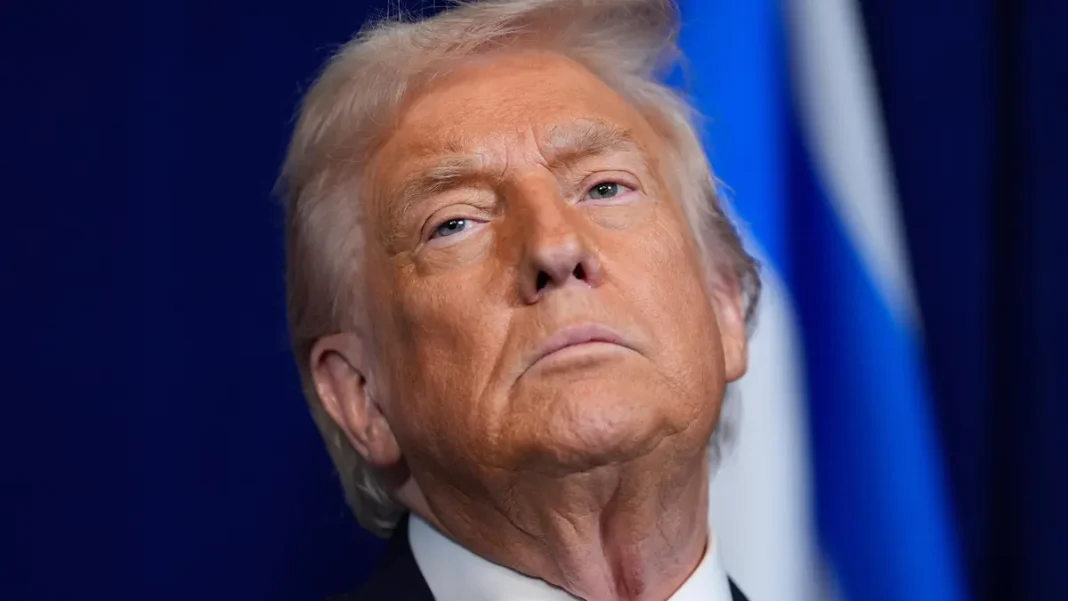

In a surprising move, former President Donald Trump has proposed a $1.5 trillion military budget for the United States for the year 2027. This ambitious plan underscores his support for significantly expanding the nation’s defense capabilities.
Context and Details of the Proposal

The proposed budget, if approved, would mark a substantial increase in U.S. military spending. Donald Trump, who remains an influential figure in American politics, has consistently advocated for bolstering the country’s defense mechanisms. His vision reflects ongoing global tensions and the need, in his view, for a robust military presence as a deterrent against potential threats.
This proposal aligns with Trump’s previous policy directions during his presidency, where he emphasized military strength and modernizing the U.S. armed forces. The $1.5 trillion allocation would be spread across different facets of the military, including personnel, research, and development of advanced weaponry and technology.
Potential Impact on the Global Stage

An increase of this magnitude in military spending could significantly affect the global geo-political dynamics. It may lead to shifts in alliances and prompt responses from other nations, particularly those with substantial military capabilities. The proposal could also reignite debates over arms races and the balance of power around the world.
Furthermore, it is anticipated that such a dramatic rise in the budget would draw reactions from international entities advocating for arms control and diplomacy. The implications of this proposal for international relations and global peace initiatives remain complex and significant.
Domestic Considerations and Public Opinion

Domestically, the proposed budget is likely to stir vigorous debates. Advocates argue it would ensure national security and create jobs within the defense sector. Critics, however, point to the trade-offs in social spending and other domestic programs that may face cuts as a consequence.
The American public’s reaction will be critical in shaping the discourse around this proposal. Past opinions have been divided, with some constituents emphasizing security while others prioritize investments in healthcare, education, and infrastructure.
Political Reactions and Legislative Challenges

The proposal is expected to face significant scrutiny and challenges in Congress. Both Republican and Democratic lawmakers will likely weigh in, assessing the budget’s feasibility and alignment with national priorities.
Key figures in the legislative process have expressed the need for a balanced approach that does not overlook other essential areas of public interest. The unfolding political battle will define the trajectory and potential adjustments to Trump’s envisioned military spending plan.
In conclusion, Donald Trump’s proposal for a $1.5 trillion military budget aims to reinforce the U.S.’s defense posture on a global stage, sparking extensive discussions among policymakers and the public. The coming months will reveal the plan’s chances of realization and its broader impacts on both domestic and international fronts.