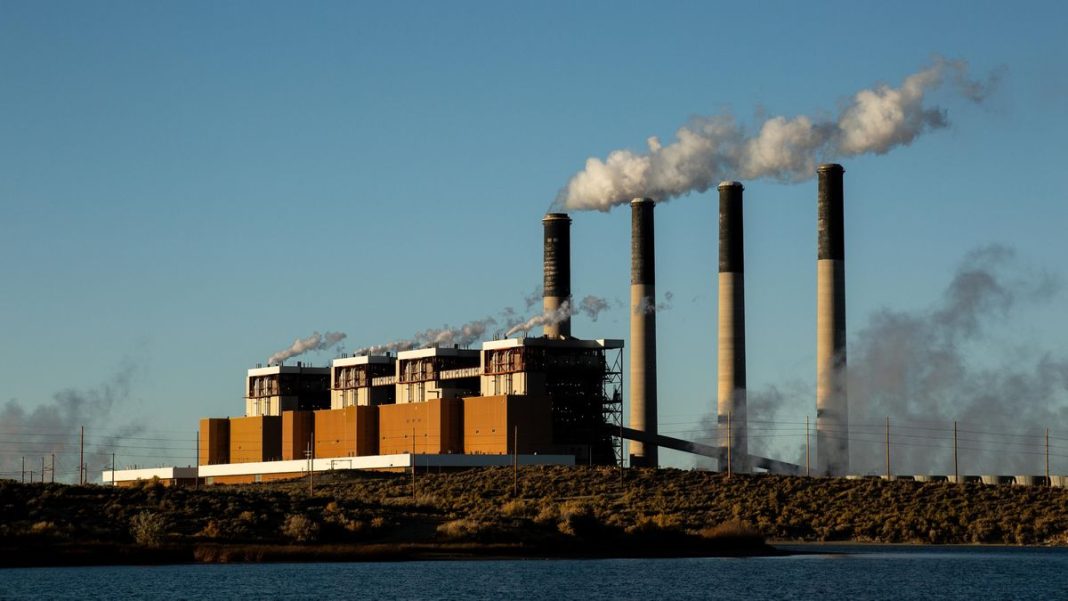

The Trump administration has sparked significant controversy by dismantling an essential climate change initiative, stirring debates among environmentalists and policymakers. This move marks a departure from previous environmental commitments and adds fuel to the ongoing discourse on global climate policy.
The Dismantling of the Clean Power Plan

The primary focus of the Trump administration’s action was the Clean Power Plan, a landmark policy established under the Obama administration aimed at reducing carbon emissions from power plants. This initiative was crucial in the U.S. efforts to combat climate change by setting strict standards for electricity generation from coal and other fossil fuels. Critics argue that dismantling this policy jeopardizes not only national but also international efforts to curb emissions.
Supporters of the move, however, claim that removing such regulations will boost economic growth by reducing what they view as burdensome restrictions on industry. They posit that the rollback will lead to increased energy production and job growth in the fossil fuel sector. These arguments align with the Trump administration’s broader agenda of energy independence and deregulation.
Reactions from the Environmental Community

Environmental groups have widely condemned the decision, warning of the potential negative impacts on both the environment and public health. Many activists argue that the rollback is a step backwards in the fight against climate change at a time when urgent action is needed. They cite scientific research indicating the dire consequences of unchecked carbon emissions, such as rising global temperatures and extreme weather events.
Internationally, the move has raised concerns among global partners committed to the Paris Agreement. The global community has expressed worry that this shift in U.S. policy might hinder collective efforts to combat climate change, potentially undermining years of diplomatic progress.
Economic Implications

The economic implications of dismantling the Clean Power Plan are multifaceted. Proponents of the plan’s removal argue that it will alleviate financial pressures on energy companies by allowing more freedom in choosing energy sources. They believe this will lead to competitive pricing and innovation within the energy sector.
Conversely, opponents argue that neglecting renewable energy investments could prove economically disadvantageous in the long term. They suggest that embracing sustainable energy technologies is vital for future economic stability, particularly as global energy trends shift towards low-carbon solutions.
Policy Shifts and Future Considerations

The rollback represents a broader policy shift toward reconsidering environmental regulations and balancing them with economic interests. As the U.S. redefines its climate strategies, the debate between environmental responsibility and economic pragmatism continues to evolve.
Policymakers and stakeholders face the challenge of navigating these complex issues to create sustainable solutions. The integration of scientific research, technological advances, and interdisciplinary collaboration will be essential in shaping the future of climate policy in the United States.
In conclusion, the dismantling of this climate change initiative by the Trump administration underscores the ongoing conflict between environmental conservation and economic growth. As debates persist, the actions taken today will undoubtedly influence the global climate landscape for years to come.