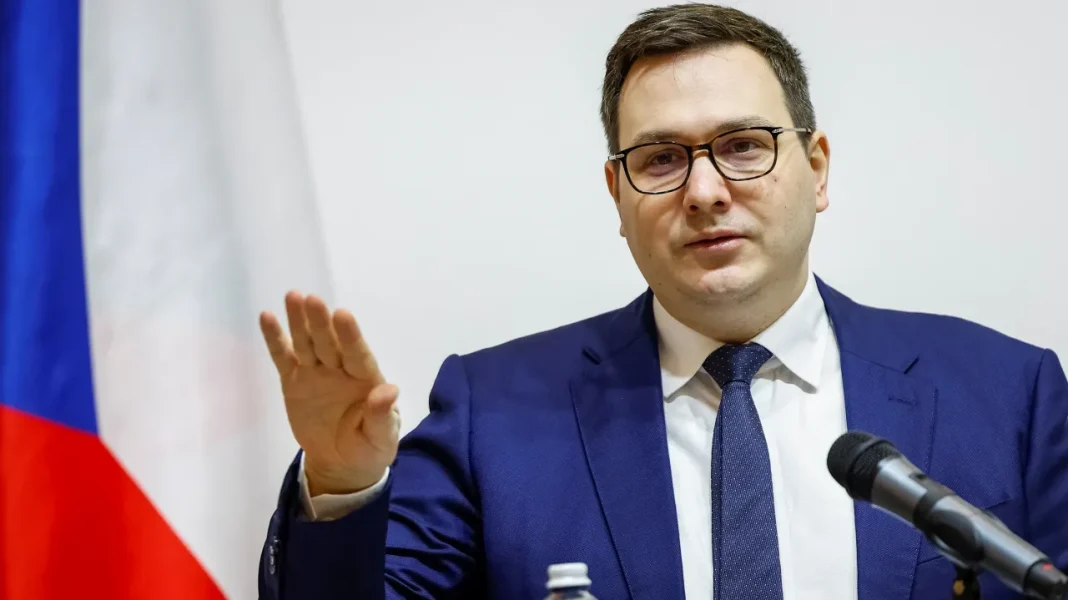

In a surprising turn of events, SPD Defense Chief Tomáš Zůna made notable remarks regarding a fellow minister, drawing attention amidst the party’s complex views on Russia. The comments have stirred discussions both within and outside the party as they navigate their official stance.
The Context of Zůna’s Comments

Zůna’s statements come at a time when the SPD (Freedom and Direct Democracy) party is under scrutiny for its ambiguous position towards Russia. As geopolitical tensions continue to evolve, his remarks have put a spotlight on internal party dynamics. Sources suggest Zůna addressed perceived inconsistencies in the minister’s approach to defense strategies, which may reflect broader disagreements within the party.
Given the SPD’s history of vocal positions on international relations, especially concerning Eastern Europe, Zůna’s comments are viewed by analysts as potentially indicative of internal rifts. This could impact the party’s overall cohesion and strategy, especially in public debates and policy formations.
Party’s Stance on Russia

The SPD has been known for its often controversial rhetoric regarding Russia, promoting what some deem a soft stance at a time when many European nations are intensifying their criticisms. Zůna’s remarks may signal a shift or a call for reevaluation within the party, reflecting a complex balancing act between ideology and political pragmatism.
Observers note that the party’s position on Russia has often been a point of contention both domestically and internationally. The impact of Zůna’s comments could urge the party to clarify or possibly realign its positions, considering the delicate geopolitical landscape.
Potential Implications for Czech Politics

The reaction to Zůna’s comments is not just limited to the SPD; it also holds significance for broader Czech political dynamics. The country, strategically located in Central Europe, plays a key role in regional politics. As such, shifts in SPD’s views can have implications for Czechia’s foreign policy decisions and alliances.
Political analysts suggest that Zůna’s statements could influence other political entities to reassess their own stances. This development might also affect voter perceptions as parties navigate complex international issues.
Reactions from the Political Sphere

Reactions to Zůna’s comments have been mixed. While some members of the SPD support the need for internal debate, others worry about the potential for public perceptions of discord. Outside the party, opposition leaders have seized the opportunity to critique the SPD’s lack of a unified front.
As the discussion continues, it will be crucial to monitor how these remarks might influence future policies or serve as a catalyst for broader shifts within the party framework. Party leaders are expected to address these concerns to maintain unity and public confidence.
The unfolding situation highlights the dynamic and often unpredictable nature of political discourse in Czechia, as the SPD grapples with aligning its internal views and public stance amidst evolving international scenarios.