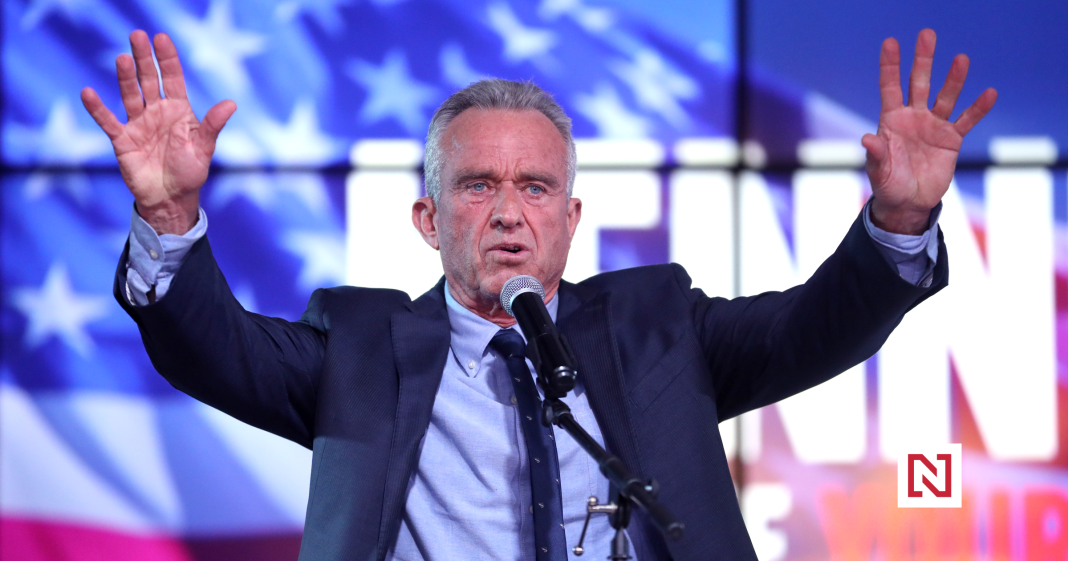

In an unexpected twist, a major scientific figure who faced controversy might become the US Health Minister. This scenario has sparked debates about the suitability of scientists with a tumultuous history managing national health policies.
The Controversial Figure

The individual in question is a renowned scientist whose recent project ended in disappointment, widely referred to as the year’s biggest scientific disaster. The project, which aimed to revolutionize a particular field, failed to deliver the anticipated results, leading to significant critiques from the scientific community and the public alike. Despite these setbacks, advocates argue that the scientist’s expertise and experience still make them a viable candidate for managing health policies in the US.
This contentious project encountered multiple challenges, including resource constraints, unforeseen technical difficulties, and internal conflicts. Critics worry that similar challenges could hinder their ability to manage the complex health landscape effectively. Nevertheless, supporters believe that overcoming these obstacles has further solidified their problem-solving skills.
The Role of the US Health Minister

The role of the US Health Minister is pivotal, involving oversight of national health policies, governmental health agencies, and initiatives aimed at improving the population’s well-being. If this controversial scientist were to assume this position, they would need to navigate a maze of existing policies while potentially rectifying previous scientific mishaps.
Successfully transitioning to this role would require a profound understanding of public health issues, an ability to engage with diverse stakeholders, and an unwavering commitment to the scientific method. The Transition period might pose challenges, but it could also provide opportunities to bring innovations to national health policies.
Debates and Public Opinion

Public opinion is polarized over the potential appointment. Supporters appreciate the scientist’s ability to think outside the box and their dedication to scientific advancement despite past failures. They argue that fresh ideas and a resilient mindset could drive significant growth in national health sectors.
On the other hand, opponents worry about the baggage of past controversies affecting the scientist’s decision-making abilities. They emphasize the need for a leader with a proven track record in public health, someone who can handle crises effectively and foster public trust in health initiatives.
Comparative International Precedents

Globally, other countries have seen scientific figures transition into political roles with varying success. Analyzing these precedents could offer insights into the potential challenges and benefits of such a career shift. Countries like Germany and Australia have experienced both successful and problematic transitions, depending on the individual’s ability to adapt.
Learning from these examples, the US could mitigate potential risks by ensuring robust support systems and clear guidelines are in place, allowing a smoother transition for scientists moving into political arenas.
Whether this contentious figure should become the US Health Minister remains uncertain, but the debate raises important questions about the qualifications and adaptability required for such crucial roles in government service.