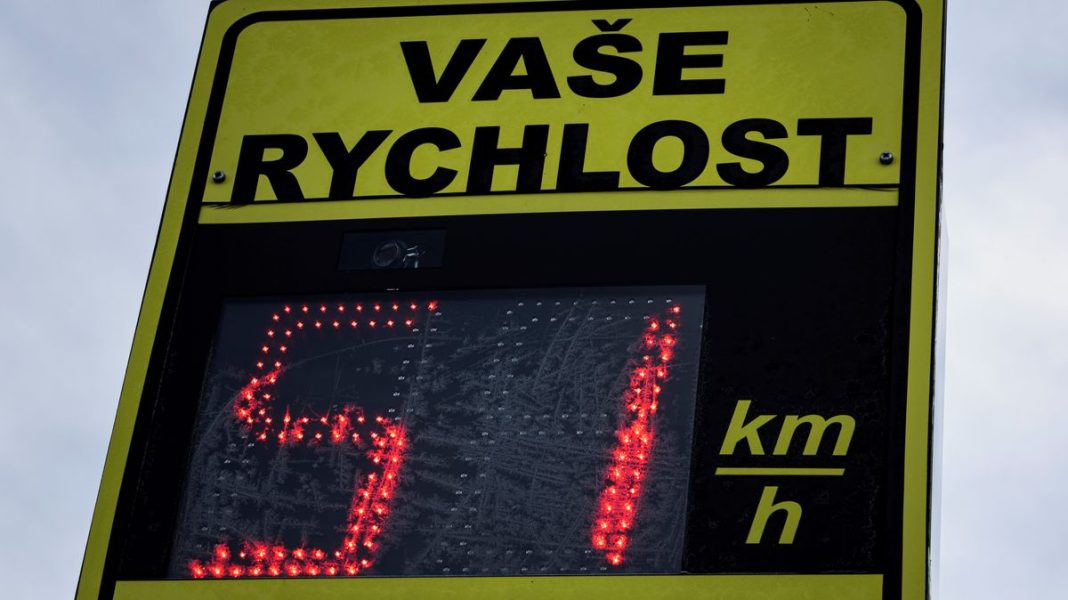

Tensions are escalating between local municipalities and the central government over a controversial issue involving billions of korunas generated from speeding fines. The debate centers on how these funds should be allocated, raising questions about the balance of power and financial governance in the Czech Republic.
The Core of the Dispute

The dispute originates from a bill proposed by the central government, aiming to redistribute the revenue collected from speeding fines. Traditionally, these fines have been a significant source of income for local municipalities, supporting community projects and infrastructure upgrades. The government argues that a more centralized allocation could enhance national projects and streamline public spending.
Municipal leaders, however, see this move as an encroachment on their autonomy. They claim that local governments better understand their communities’ needs and can use these funds more effectively to address local issues. This centralization is viewed as undermining their ability to manage local affairs independently.
Impact on Local Development

Local municipalities argue that losing control over these funds could severely impact their budgets. Many communities rely on this revenue for essential services such as road maintenance, public safety, and cultural events. The potential reallocation of funds threatens these initiatives, which are vital to local residents’ quality of life.
Several mayors have voiced their concerns publicly, highlighting projects that could face delays or cancellations due to the proposed changes. They emphasize that local knowledge is crucial for effective resource management, and a one-size-fits-all approach could be detrimental to community development.
Government’s Perspective

The central government, on the other hand, argues that a more unified system could lead to more effective use of resources on a national scale. By redirecting funds to larger projects, they contend that it will be possible to tackle national issues such as major infrastructure projects, which could benefit the entire country, including the municipalities in the long run.
The government also highlights the need for more stringent oversight and accountability, suggesting that centralized management can reduce mismanagement and misuse of funds. This stance has triggered further debate regarding the efficiency and reliability of such centralized systems.
Possible Resolutions and Future Implications

As the debate continues, both sides are exploring potential compromises. Some proposals include a fixed percentage of fines remaining with municipalities, while the rest is pooled for national projects. Dialogues between government officials and municipal leaders are ongoing, but reaching a consensus is proving to be challenging.
This issue could significantly influence future government policies regarding fiscal distribution and local governance. It raises broader questions about balancing national and local interests, which are crucial for Czechia’s political and economic landscape.
In conclusion, while the contention over speeding fines is specific, the broader implications could shape the relationship between municipalities and the central government for years to come. As discussions advance, both sides aim to ensure that any resolution will benefit both local communities and the nation as a whole.