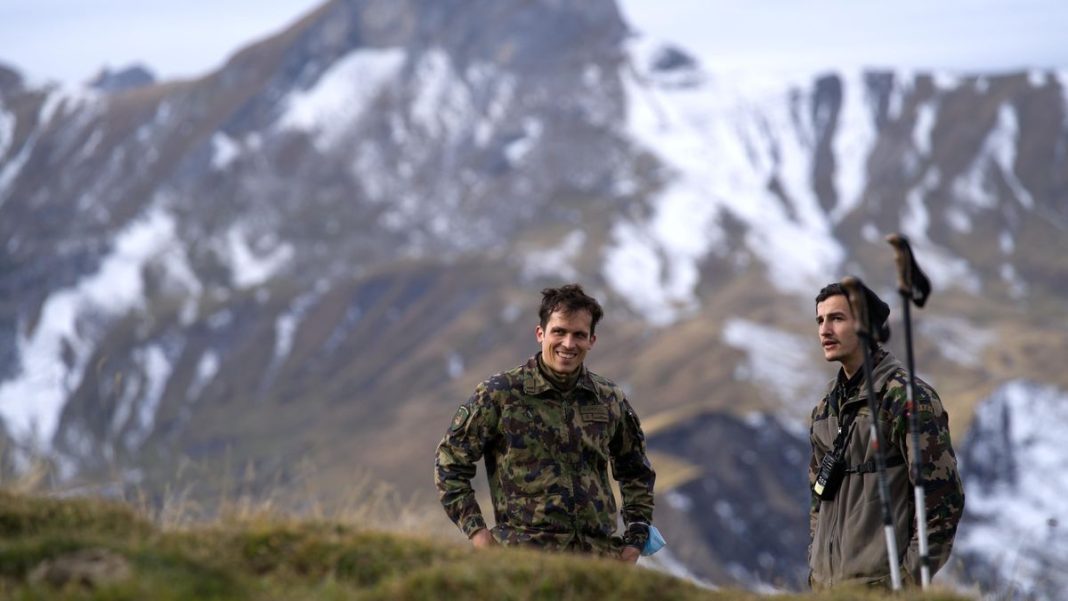

The Swiss military’s effectiveness has come under scrutiny following remarks by the National Army Chief. Recently, concerns regarding Switzerland’s defense preparedness have stirred national debate, prompting reflections on its traditionally neutral stance.
Chief’s Remarks Spark National Discourse

The National Army Chief’s comments raised questions about the adequacy of Switzerland’s defense capabilities. Speaking at a recent defense forum, he highlighted areas where the Swiss military may fall short in terms of modern warfare and technology integration. His statements have ignited a broader discussion among policymakers and the public about the nation’s readiness to face contemporary security challenges.
Switzerland, known for its longstanding policy of neutrality, has historically maintained a strong defense posture. However, evolving global threats and technological advancements necessitate reassessment of its capabilities. The Chief’s assertions underscore a potential gap between current military assets and the increasing complexity of global security dynamics.
Military Modernization Challenges

One of the primary challenges facing the Swiss military is the modernization of its defense infrastructure. While Switzerland invests significantly in its military, aligning these investments with the demands of modern warfare remains a complex task. The defense budget has been a topic of debate, especially regarding the allocation of funds towards technological advancements such as cybersecurity and drone warfare.
Efforts to upgrade the military’s capabilities have been met with mixed public opinion. Some citizens argue that neutrality should not equate to complacency, advocating for technological enhancements to keep pace with international standards. Others believe that limited involvement in international conflicts justifies a more conservative approach to military spending.
Neutrality and Its Implications

Switzerland’s famed neutrality policy presents both benefits and challenges. While it has succeeded in keeping the country out of direct conflicts for centuries, it also raises questions about its defensive readiness in an increasingly interconnected world. The balance between maintaining neutrality and ensuring robust defense capabilities is a delicate one that requires careful policymaking.
Neutrality impacts Switzerland’s military alliances as well. The nation is not a member of NATO, posing unique challenges when it comes to international military cooperation. This independence necessitates self-reliance, further stressing the importance of domestic military development to address any potential threats independently.
Public and Political Reactions
The Chief’s remarks have catalyzed a spectrum of responses from the Swiss public and political leaders. Some factions within the government have called for immediate action to address the identified shortcomings, proposing a strategic review of the country’s defense policies and capabilities. This includes assessing current military resources and potential areas for investment.
Public opinion is divided, with some citizens expressing concern over potential increases in defense spending against a backdrop of economic priorities. Others are supportive of boosting military capabilities to enhance national security. This debate points to a growing awareness and necessity for Switzerland to reconcile its historical stance with contemporary global realities.
As Switzerland navigates its defense strategy amid evolving global threats, the conversation initiated by the Army Chief is likely to influence future policies. Balancing tradition with innovation will be crucial in maintaining the nation’s security and integrity.
Source: Official Swiss Armed Forces website.