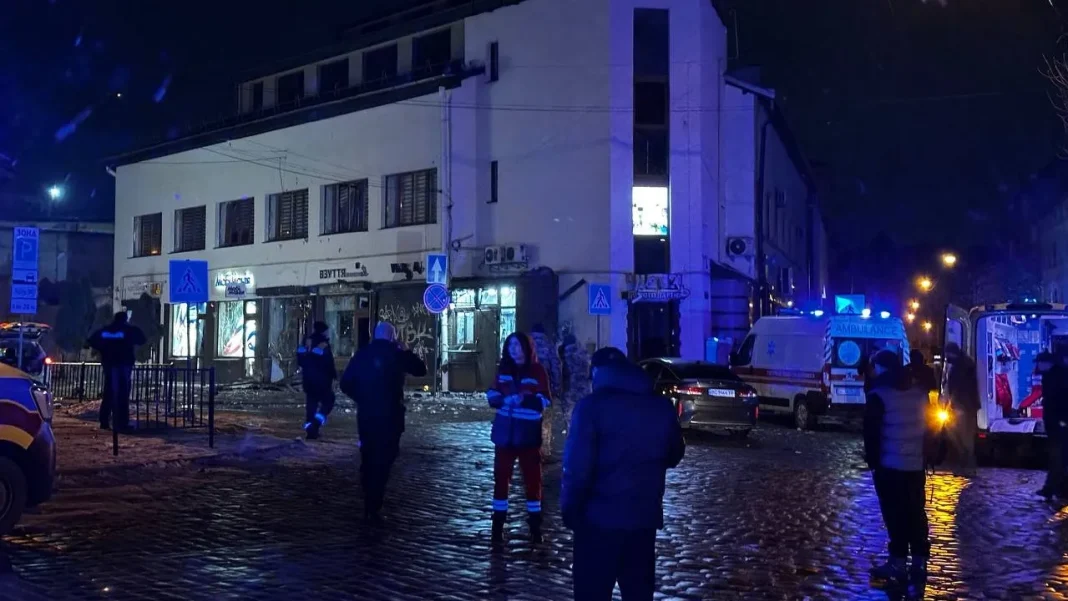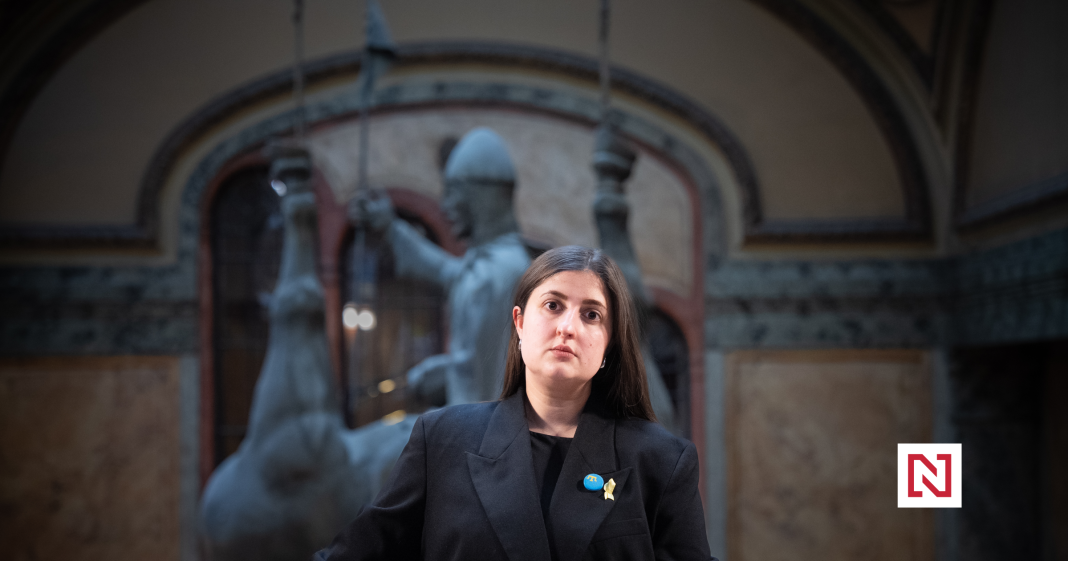

In the face of ongoing turmoil in Ukraine, the Czech Republic has become a significant refuge for those fleeing conflict. This story explores the emotions of guilt and responsibility among Czechs as they assist Ukrainians in their time of need.
The Role of Czech Society in Assisting Ukrainians
Since the outbreak of conflict in Ukraine, the Czech Republic has seen an influx of Ukrainian migrants seeking safety and stability. The response from Czech society has been overwhelmingly positive, with both governmental bodies and non-profit organizations stepping up to provide aid. This assistance ranges from offering housing and employment opportunities to providing psychological support for trauma-affected refugees.
The Czech government has streamlined processes to ensure that arriving Ukrainians are quickly integrated. Special visa programs and work permits have been fast-tracked, enabling many to begin new lives with minimal delay. This swift action has been paralleled by grassroots initiatives, where local communities have organized donation drives and language classes to support integration.
Challenges and Complex Feelings of Guilt

Despite the widespread spirit of generosity, some Czechs grapple with feelings of guilt. This stems from comparing their own country’s relative peace and prosperity to the hardship faced by Ukrainians. There is a collective reflection on their past and present roles within a larger European context, whether perceived or actual, that influences current actions.
Many Czechs feel a moral obligation to support their Eastern neighbors, especially given the historical ties between the two nations. However, the conversation often turns introspective, questioning whether enough is being done or whether resources could be better allocated, creating a complex emotional landscape.
Governmental and Institutional Initiatives

The Czech government has been proactive in providing structured support. Efforts include coordinated relief programs and localized initiatives to ensure that displaced individuals can access essential services. In many urban centers, local authorities have collaborated with international organizations to streamline aid delivery.
Educational institutions have also played a vital role by offering scholarships and language courses that cater specifically to Ukrainian students. These programs are designed to bridge cultural gaps and enhance skills, empowering refugees to contribute to their new communities effectively.
The Broader Impact on Czech Society

The integration of Ukrainian migrants has had a significant impact on Czech society. Economically, it has enriched various sectors such as healthcare and technology, where skilled labor is in demand. Socially, this transition has fostered greater cultural exchange and understanding, introducing fresh perspectives and experiences into Czech life.
Public opinion has largely supported this integration, recognizing the mutual benefits and shared humanity in times of crisis. Nonetheless, the ongoing situation remains a topic of discussion in media and political circles, reflecting on how best to sustain these efforts in the long term.
The Path Forward

As the situation in Ukraine continues to evolve, the Czech Republic remains committed to supporting those in need. Building on the foundations already laid, future efforts will likely focus on long-term integration strategies, ensuring economic opportunities and social cohesion endure.
The Czech response serves as an example of compassion and accountability on the global stage, underlining the power of collaboration in addressing humanitarian needs.