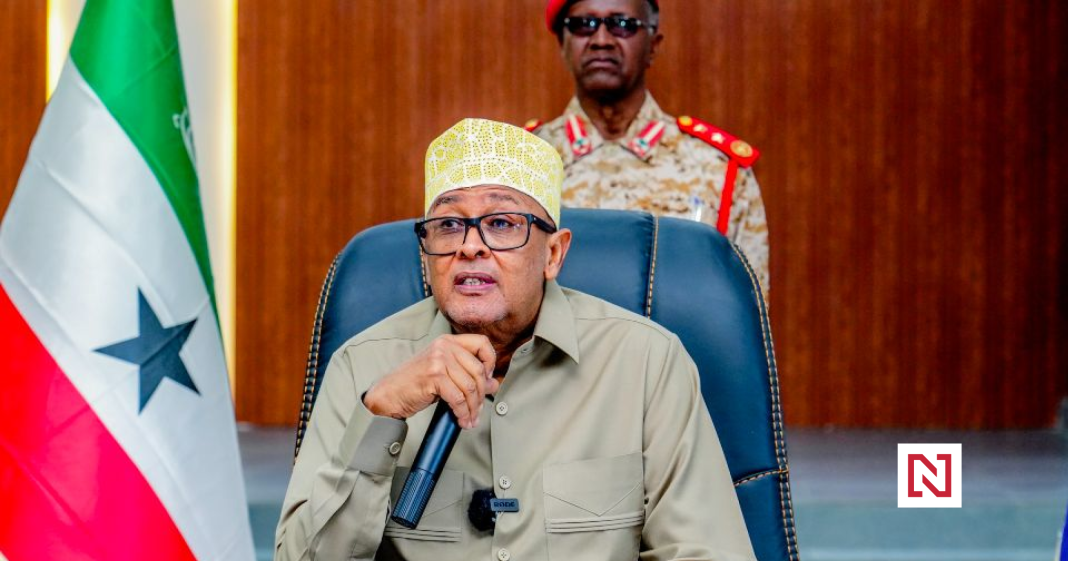

In a significant diplomatic development, Israel has taken a subtle yet consequential step by recognizing Somaliland. This move has the potential to shift regional dynamics in the Horn of Africa, introducing new alliances and challenges.
Historical Context and Diplomatic Implications

Somaliland, a self-declared, internationally unrecognized state, broke away from Somalia in 1991. Despite its quest for international recognition, it has been largely overlooked by the global community. Israel’s acknowledgment could serve as a catalyst for other countries to reevaluate their stance, potentially leading to broader recognition of Somaliland on the international stage.
This diplomatic maneuver by Israel might be seen as a strategic effort to expand its influence in Africa. The Horn of Africa is a region of significant geopolitical interest, with key global players seeking to bolster their positions through partnerships and alliances. By acknowledging Somaliland, Israel not only strengthens its ties but also opens the door for economic and security cooperation.
Potential Economic Benefits

The recognition of Somaliland could lead to numerous economic opportunities for both Israel and Somaliland. One potential area of collaboration is agriculture, where Israel’s advanced technologies and expertise could significantly boost Somaliland’s productivity and food security. This partnership could transform Somaliland’s agricultural landscape, resulting in sustainable growth and job creation.
Furthermore, the possibility of direct trade links could benefit both economies. Israel stands to access new markets for its technological and agricultural products, while Somaliland might obtain the investment and infrastructure development needed to fuel its economic ambitions.
Impact on Regional Stability

Israel’s recognition of Somaliland could have a stabilizing effect on the region. By formalizing relationships with a stable and relatively peaceful entity, Israel could contribute to Somaliland’s internal stability and economic development. This, in turn, might help mitigate some of the region’s challenges, such as poverty and insecurity, which often fuel conflict.
However, this move may also provoke tensions with Somalia, which continues to claim sovereignty over Somaliland. The balance will depend on diplomatic nuances and potential mediations orchestrated by international entities to manage any fallout and promote peaceful coexistence.
Broader Geopolitical Implications
This strategic alignment could shift existing alliances. Israel’s move might influence its relations with other African Union members who have yet to recognize Somaliland. The decision could also impact its relations with Arab states, particularly those that already have contentious relationships with Israel.
On a global scale, Israel’s recognition could lead to increased interest from other nations keen on exploring the untapped potential of Africa’s strategic regions. As major powers eye the Horn of Africa, asserting influence and establishing reliable partnerships becomes ever more critical.
Israel’s recognition of Somaliland represents a strategic gesture likely to influence regional politics and economics profoundly. If managed effectively, this could be the beginning of a new chapter in the Horn of Africa, potentially inspiring global players to reexamine their engagement in this pivotal region.
Source: Official Government of Somaliland website.