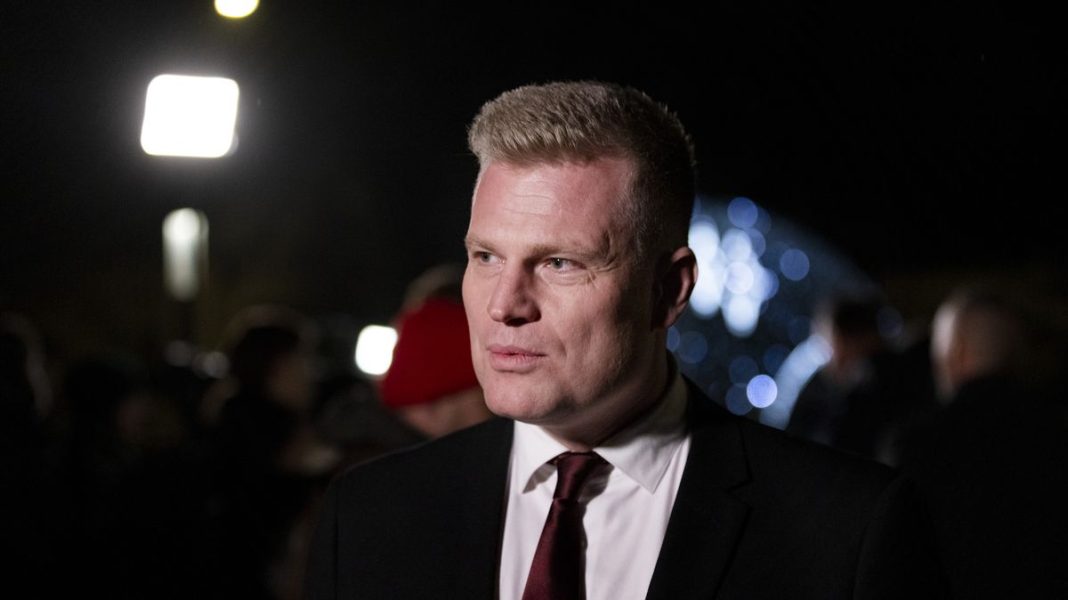

The Czech political party STAN has recently called for the removal of MP Jan Turek from several parliamentary committees. This decision follows controversial comments he made regarding the ongoing conflict in Ukraine, which have sparked a significant backlash.
Comments Stir Controversy

Jan Turek, a member of the Czech Parliament, has been at the center of a political storm following remarks he made about the conflict in Ukraine. His comments, perceived by many as insensitive, have led to accusations of undermining the country’s stance on international solidarity and support for Ukraine. The Czech Republic has been a vocal supporter of Ukraine in its conflict with Russia, providing both diplomatic and material aid.
Members of STAN, including several high-ranking officials, have expressed their dismay over Turek’s statements. The party has emphasized the importance of unity and a clear stance on international issues as critical to maintaining the Czech Republic’s global commitments.
STAN’s Call for Action

In response to the controversy, STAN has formally requested Turek’s removal from key parliamentary committees. These include committees relevant to foreign affairs and national security, where his presence could potentially be detrimental, according to party leaders.
The move to oust Turek from these positions highlights STAN’s commitment to uphold its values and maintain the nation’s stance on international relations. The party aims to replace Turek with members who align more closely with its views on foreign policy, particularly regarding the Ukrainian conflict.
Political Ramifications

The situation has sparked a broader debate within the Czech political landscape about free speech and the responsibilities of public officials. While some politicians defend Turek’s right to free expression, others argue that his comments are harmful and counterproductive to Czech national interests.
This incident has further fueled discussions on how political discourse should be managed and whether stricter guidelines are needed for public officials when commenting on sensitive international matters.
Public and International Reaction

The public reaction to this controversy has been mixed. Some citizens support STAN’s decision, believing it necessary to maintain the integrity of Czech political discourse. Others view it as an overreach, questioning the balance between free speech and political correctness.
Internationally, the incident has caught the attention of media and commentators, reflecting on the broader implications for Europe’s political stability and its unified response to the Ukraine crisis. This situation underscores the delicate balance countries must maintain between domestic politics and international obligations.
As this situation develops, the focus remains on how the Czech political scene will adapt and whether STAN’s actions will set a precedent for handling similar issues in the future.
Source: Official STAN website.