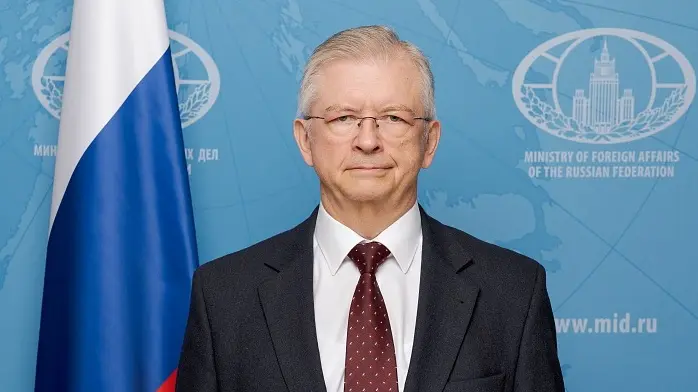

In a move drawing mixed reactions across Europe, Slovakia has welcomed its new Russian ambassador, stirring diplomatic ripples as Poland conveyed its dissent through a paint-protest. This development comes amidst heightened tensions over Russia’s role in Eastern Europe.
Slovakia’s Diplomatic Shift

Slovakia’s decision to accept the new Russian ambassador underscores a delicate balance in its foreign policy amidst evolving geopolitical tensions. Bratislava’s acceptance appears to signal Slovakia’s ongoing commitment to maintaining diplomatic ties with Russia while also being a member of the European Union and NATO, both of which have voiced concerns about Russian actions in Eastern Europe.
This move might be interpreted as Slovakia’s attempt to keep open channels of communication, especially given its history and geographical proximity to Russia. Experts suggest that this approach may be aimed at exploring potential diplomatic solutions to regional issues and ensuring Slovakia’s role as a diplomatic intermediary.
Poland’s Protest: A Sign of Strained Relations

In stark contrast, Poland has opted for a symbolic protest by splashing red paint, representing blood, during a demonstration against the new ambassador’s arrival in Slovakia. This act reflects Poland’s firm stance against Russia’s recent geopolitical maneuvers, particularly regarding its activities in Ukraine and other neighboring regions.
Poland’s protest highlights its commitment to taking a strong position against what it perceives as Russian aggression, reinforcing its call for European solidarity in opposing actions that threaten regional stability and sovereignty. This manifestation emphasizes the growing divide in diplomatic strategies among Eastern European countries.
Implications for European Alliances

The differing responses from Slovakia and Poland illustrate a broader spectrum of approaches to handling Russian diplomacy within Europe. These actions hold potential implications for European alliances as individual countries balance their national interests with collective European policies.
Analysts believe that these diplomatic maneuvers could influence EU and NATO discussions, potentially complicating the consensus on how to address Russia’s regional influence. Nations with historical ties or geographical proximity to Russia, like Slovakia, may prioritize pragmatic engagement over confrontational policies favored by others.
Regional Reactions and Future Prospects

Within the region, reactions vary, reflecting historical experiences and contemporary priorities. Some nations view Slovakia’s approach as a necessary engagement strategy, while others align more closely with Poland’s firm resistance to Russian policies.
Looking ahead, these diplomatic gestures will likely play a crucial role in shaping regional security discussions, prompting reassessments of bilateral and multilateral strategies. Observers suggest that consistent dialogue and diplomatic engagements are essential in managing tensions and preventing escalations.
As Slovakia continues to engage with Russia under international scrutiny, it remains to be seen how these diplomatic decisions will impact Slovakia’s role in European politics and its relationships with neighboring countries.