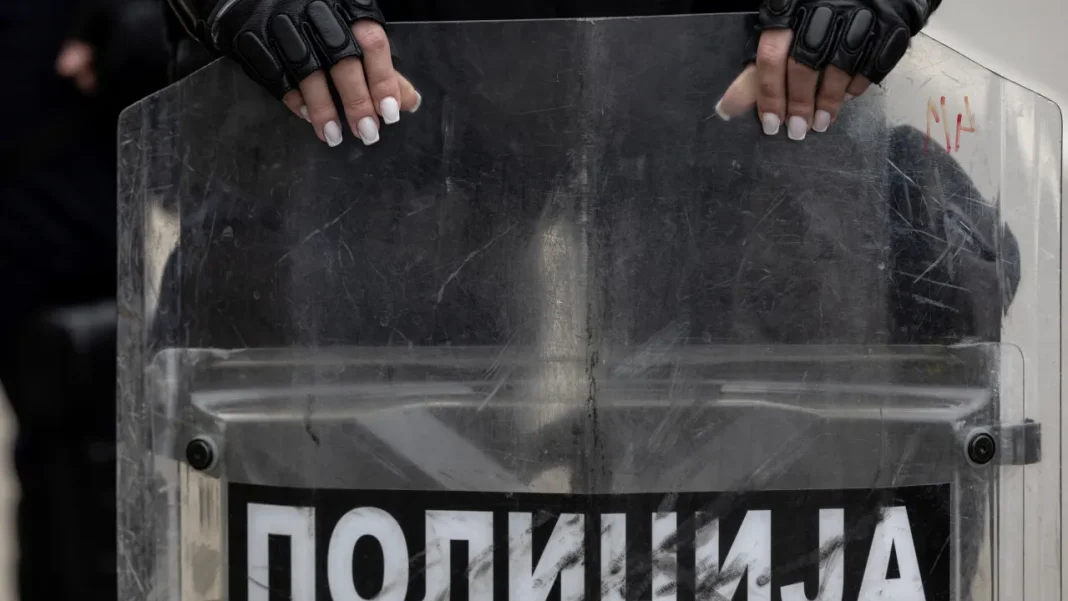

During a recent visit by Slovakian politician Peter Pellegrini, tensions rose as Serbian police surrounded Slovak protesters. The incident, highlighting regional political sensitivities, occurred amidst ongoing discussions between Slovakia and Serbia.
Background of the Visit
Peter Pellegrini, the former Slovak Prime Minister and influential political figure, arrived in Serbia to strengthen bilateral ties and discuss regional cooperation. His visit aimed at fostering economic and cultural collaboration, but it also drew attention to lingering political issues in the region.
The visit came at a significant time when both nations seek to enhance their roles within the European framework. Pellegrini had planned to meet Serbian leadership and engage in discussions pivotal to the future of EU integration, trade partnerships, and regional stability.
Protesters’ Concerns

Despite the diplomatic intentions, Pellegrini’s visit was met with protests by Slovak citizens residing in Serbia. The demonstrators brought forward grievances related to national policies affecting Slovak nationals abroad and broader regional concerns that touch upon ethnic relations.
Protesters expressed disappointment over insufficient governmental actions regarding the preservation of Slovak culture and language in Serbia. Additionally, some demonstrators voiced opposition to policies they believe marginalize minority communities in the region.
Police Response

The Serbian police quickly surrounded the protest area, a decision that raised eyebrows among human rights observers. Authorities justified the move as a necessary measure to ensure the safety of both the protesters and the political delegation.
While there were no immediate reports of violence, the police presence amplified tensions. It underscored the delicate balance of maintaining public order while respecting citizens’ rights to free speech and assembly.
Implications for Slovakia-Serbia Relations

The incident holds several implications for the diplomatic relationship between Slovakia and Serbia. While both nations express interest in mutual cooperation, the protests indicate underlying tensions that need addressing to foster genuine trust and partnership.
Moving forward, it will be vital for both governments to engage in dialogue that includes addressing minority rights and cultural preservation to prevent future unrest and strengthen bilateral ties.
The visit, escorted by the surrounding protests, highlighted the complex political landscape in the Balkans. As regional dynamics continue to evolve, effective communication and policy adjustments will be critical for sustained cooperation and harmony.