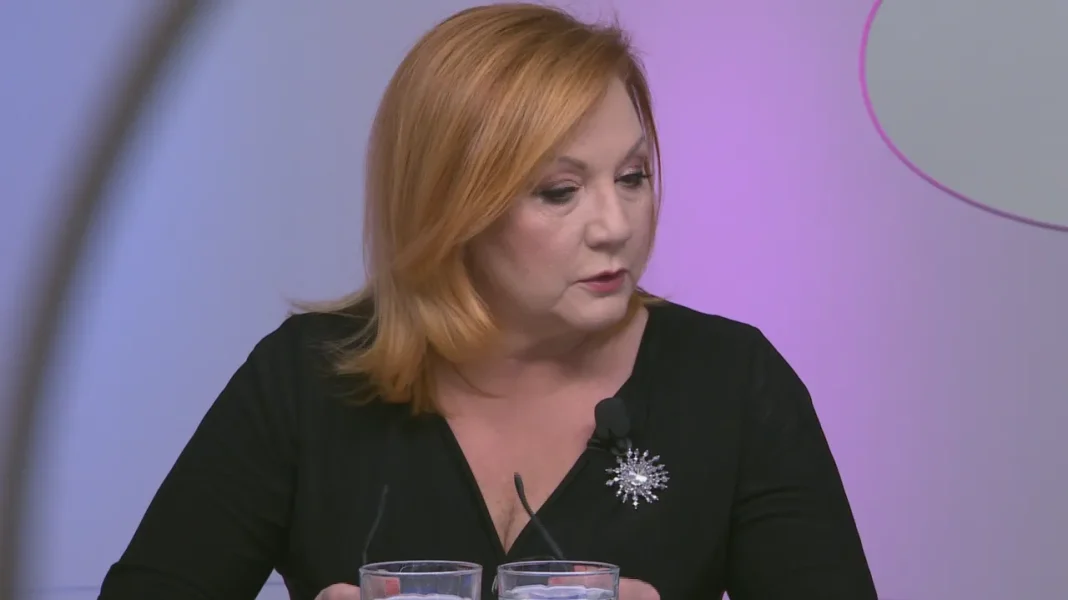

The Czech Republic’s Finance Minister Alena Schillerová recently stated that maintaining the national budget deficit below the 300 billion CZK mark will pose a significant challenge. Her comments underline ongoing fiscal pressures as the country manages economic recovery efforts alongside budgetary constraints.
Challenges in Balancing the Budget

The Czech government is currently navigating through complex financial challenges exacerbated by the pandemic’s economic impact. According to Schillerová, efforts to keep the deficit within the stated limit require strict financial discipline and strategic fiscal planning. Key aspects include prioritizing essential spending and finding innovative ways to stimulate economic growth without escalating the deficit.
During recent fiscal discussions, various economic scenarios were modeled to project the possible outcomes of different spending strategies. Schillerová emphasized the importance of a balanced approach that fosters recovery while keeping government expenditures in check. This involves critical assessments of public spending priorities and the reallocation of resources from less productive sectors.
Government Strategies and Measures

In response to these challenges, the Czech government has outlined several strategies to limit excessive spending. These include curtailing unnecessary expenses and implementing targeted investments that promise long-term economic benefits. Key sectors identified for such investments include healthcare, digital infrastructure, and renewable energy, which are expected to drive growth and create jobs.
Additionally, the implementation of tax reforms could play a crucial role in enhancing revenue without imposing an undue burden on the population. Schillerová highlighted efforts to combat tax evasion and improve the efficiency of tax collection processes as part of broader reform initiatives.
Impact on Public Services and Citizens

The proposed budgetary measures have prompted concerns regarding potential impacts on public services. Schillerová has reassured the public that essential services, especially in healthcare and education, will be protected. The government is committed to maintaining service quality while optimizing costs through better resource management.
For citizens, these measures are vital to ensuring that economic stability is maintained, which, in turn, safeguards employment and general welfare. Public engagement and transparency regarding budget decisions are emphasized to foster trust and collaboration in achieving fiscal goals.
Looking Ahead: Economic Recovery Prospects

Despite these challenges, there are reasons for optimism regarding the Czech economy’s recovery prospects. Recent economic indicators suggest a positive trajectory driven by a gradual resurgence in domestic demand and external trade. Schillerová believes that strategic fiscal management can harness this momentum to stabilize public finances.
The government’s focus on structural reforms and investment in future-oriented sectors could bolster the economy’s resilience. By targeting key areas for growth, the Czech Republic aims to emerge stronger post-recovery, with a balanced budget being a pivotal component of this vision.
The coming months will be crucial in determining how effectively the Czech government can manage its fiscal policy without compromising economic growth objectives.