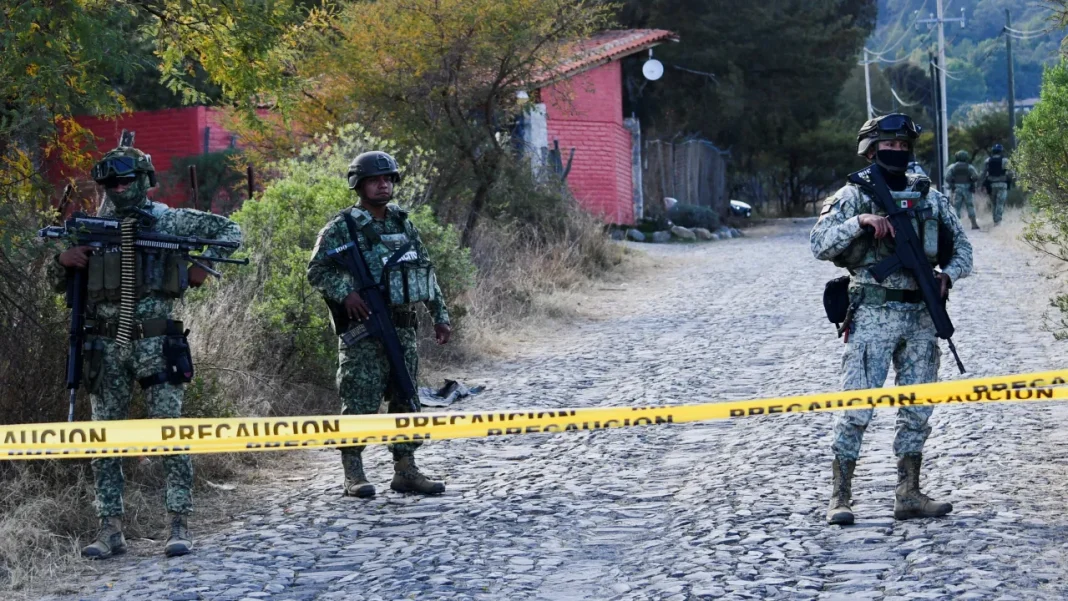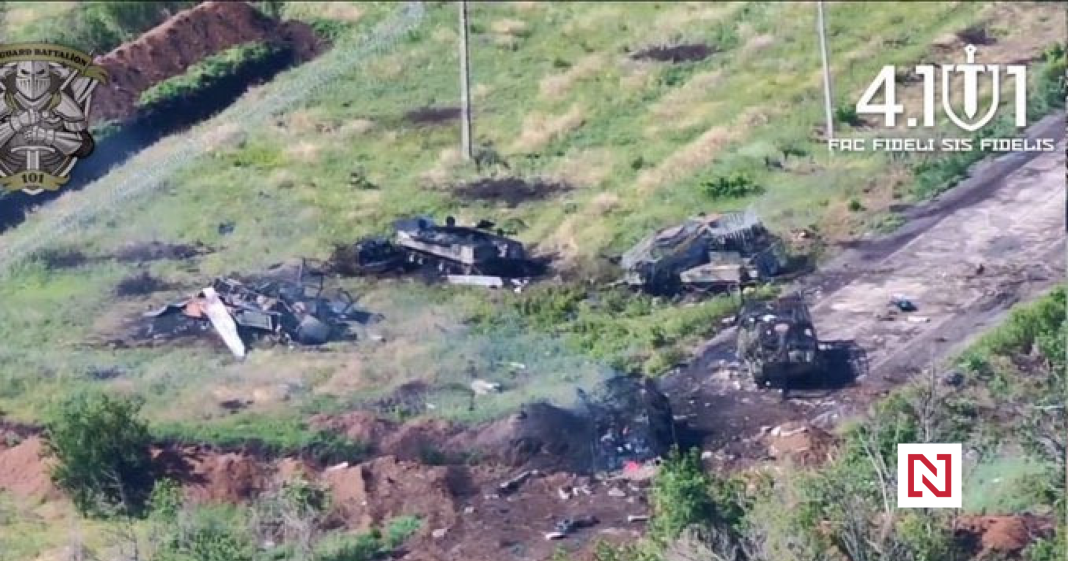

In recent years, Russia’s military moves have drawn significant global attention. However, its current military advance is notably slow, marking one of the most sluggish in modern history.
Background of the Military Strategy
Russia’s military strategy has evolved significantly since the end of the Cold War. Traditionally, the nation projected power through swift and decisive operations, utilizing its vast resources and strategic position. However, recent military campaigns have shown a shift. Analysts attribute Russia’s current sluggish advance to a combination of factors, including economic constraints, logistical challenges, and international diplomatic pressures.
These constraints have forced Russia to adopt a more cautious approach in expanding its influence through military means. This new strategy is evident in operations across various regions, where progress is measured in months, or even years, rather than the decisive campaigns of the past.
The Impact of International Sanctions

International sanctions imposed by Western countries have had a profound effect on Russia’s military capabilities. These sanctions have restricted access to essential technologies and financial resources necessary for rapid military advancement. High-tech equipment and advanced weaponry have become scarce, further slowing down military operations and strategic initiatives.
The economic impact of these sanctions has also played a significant role in Russia’s military fortitude. With limited economic growth and strained financial resources, sustaining prolonged military endeavors has become increasingly challenging for the Russian government.
Logistical and Operational Challenges
On the ground, logistical issues have emerged as another critical factor slowing down military progress. The vast geography of Russia presents unique challenges, from harsh climates to complex terrain, which impede the rapid deployment and sustainment of forces.
Moreover, advances in military technology by other nations have altered the strategic landscape, making it imperative for Russia to be more calculated in its approach. The necessity for cautious maneuvering and the increased risk of collateral damage have also prompted this measured pace.
Domestic Political Considerations

Domestic politics play a crucial role in shaping Russia’s military policies. The government’s need to balance public opinion with military ambitions requires careful handling. Prolonged military engagements risk public dissent, especially when economic conditions are challenging.
Inside Russia, there is a mix of nationalism and wariness about prolonged conflicts. The Kremlin must therefore weigh its military actions against the backdrop of national unity and economic sustainability, leading to a more deliberate pace in military matters.
Russia’s slow military advances in recent years underscore a significant change in its strategic approach. This era of caution reflects a complex interplay of economic limitations, logistical hurdles, and political dynamics. As the global landscape continues to evolve, how Russia adapts its strategies will remain a subject of close observation by the international community.