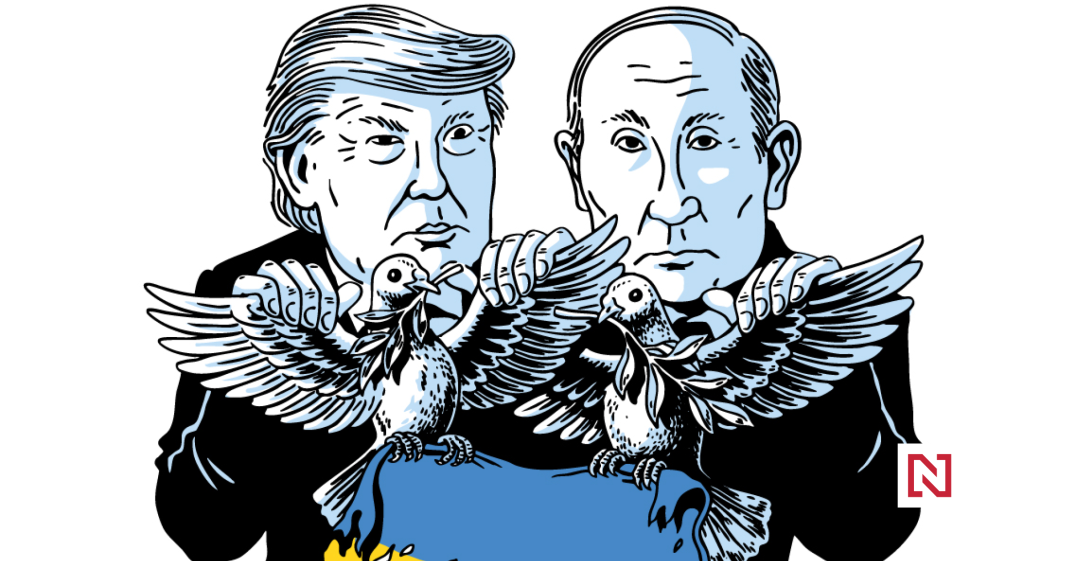

The geopolitical landscape is rapidly evolving with each policy shift from global leaders, and the latest focus is on Russia’s reaction to former President Donald Trump’s revised plan. This development has garnered international attention, shedding light on the complex dynamics between the United States and Russia.
Background of Trump’s Revised Plan

Former President Donald Trump has unveiled a revised foreign policy plan, which reportedly involves significant changes in diplomatic strategy and international relations. Though specific details are yet to be fully disclosed, the core elements supposedly include a recalibration of partnerships and a stringent approach to adversaries. This revision follows Trump’s previous administration’s tactics, emphasizing “America First” while navigating complex global challenges.
Many experts speculate that this plan aims to strengthen the U.S. position on the world stage. It is anticipated to focus on enhancing national security, boosting economic growth through global trade policies, and re-evaluating military engagements overseas. The proposal’s broader implications, especially how it aligns with current U.S. administration policies, remain a topic of debate.
Russia’s Perspective on the Plan

Russia’s response to Trump’s revised plan has been met with both caution and critique. Moscow’s foreign policy experts have voiced concerns about potential economic and military implications. The apprehension primarily stems from the risk of increased geopolitical tension if the proposed strategies are aggressively implemented.
Russian officials have called for constructive dialogue, emphasizing that any plan altering the existing status quo must consider mutual interests and global stability. This measured reaction underscores Russia’s preference for diplomacy to mitigate potential confrontations, which could destabilize Eastern Europe and beyond.
Impact on US-Russia Relations

The introduction of Trump’s plan has the potential to redefine U.S.-Russia relations substantially. Historically, these ties have been characterized by both cooperation and conflict, particularly in areas like cybersecurity, arms control, and regional influences. Any policy shift from the U.S. could recalibrate this delicate balance.
Analysts assert that while the revised plan could increase bilateral tensions, it also presents an opportunity for renegotiation of key treaties and agreements expiring soon. A strategic approach might foster improvements in dialogue channels, potentially leading to new frameworks for cooperation or competition.
Potential Global Repercussions

Globally, the reverberations of the revised plan could be profound. Allies and adversaries alike are closely monitoring the situation to recalibrate their own diplomatic and economic strategies. The plan’s effect on NATO, the European Union, and other international bodies will be crucial indicators of its broader impact.
The international community is wary of heightened tensions that could arise from unilateral actions. Hence, there is a call from multiple quarters for multilateral engagement and transparent negotiations that incorporate diverse global perspectives.
As the world watches how Moscow and Washington will navigate this complex geopolitical chessboard, the need for strategic diplomacy has never been more critical. Observers hope that this plan could serve as a stepping stone to renewed dialogues and more stable international relations.
Source: Official U.S. Department of State website.