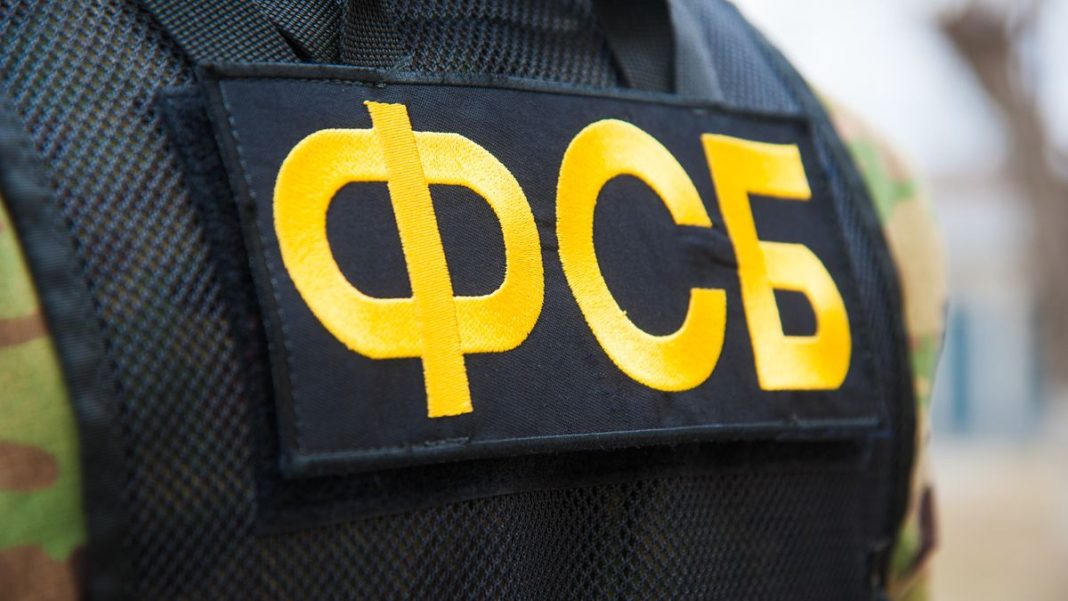

In a controversial move, Russia has enacted a new law granting the Federal Security Service (FSB) the authority to shut down parts of the internet. This measure raises concerns about increased government control over online activity and its implications on freedom of speech.
Scope of the New Law

The law empowers the FSB to disable access to specific websites and online services deemed threatening to national security. Ostensibly aimed at combating extremism and cyber threats, this legislation allows for broad interpretation, potentially impacting a wide range of online content. Critics argue that the law provides a legal cover for the FSB to restrict the flow of information and silence dissenting voices.
Authorities claim the move is a necessary step to protect Russia’s cyber infrastructure from external threats. Proponents emphasize the importance of maintaining national security and preventing terrorism—a sentiment echoed by some politicians and media figures. However, the vague criteria for what constitutes a threat have been a focal point of controversy.
Implications for Russian Society

The enactment of this law follows a series of government actions tightening control over the internet. Previously, Russia has implemented measures such as the requirement for data localization and the use of homegrown alternatives to Western technology platforms. This latest development reinforces the country’s trajectory towards a more isolated and controlled digital landscape.
For Russian citizens, the law poses potential limitations on accessing information and engaging in open discourse online. Critics fear it could curtail social media usage and impede grassroots activism, which has increasingly relied on digital channels for organization and dissemination of information.
Reactions from the International Community

The international reaction to the law has been largely critical, with human rights organizations and foreign governments expressing concern over its potential to infringe on free speech. The European Union and the United States have both issued statements condemning the law, urging Russia to uphold its commitments to international human rights standards.
These developments may further strain Russia’s relations with Western nations, which have already been marked by significant tensions over matters such as political interference and military actions. The law is perceived as part of a broader pattern of behavior that contrasts sharply with democratic values promoted by Western countries.
Potential for Future Developments

In the wake of this new law, tech companies operating in Russia are evaluating their options and potential impact on their operations. Some companies might face pressure to comply with restrictive regulations, while others may consider withdrawing from the Russian market altogether.
It remains to be seen how strictly the FSB will enforce this law and what specific actions will be taken in its name. As Russian authorities navigate enforcement, the world will be watching closely, assessing the balance between maintaining national security and respecting privacy and freedom of expression.
This new legislation signals a pivotal moment for the Russian internet landscape, with far-reaching consequences that could resonate globally.