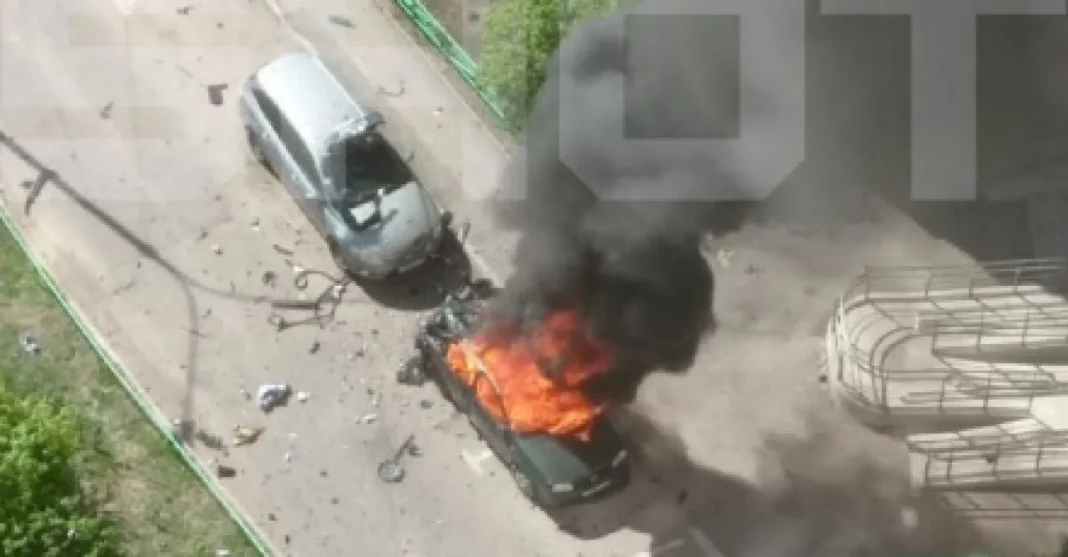

The sentencing of a suspect to life imprisonment for the assassination of a Russian general has captured international attention. The case highlights the complex geo-political tensions and the pursuit of justice in a high-profile murder.
Background of the Assassination

The assassination of the Russian general took place under mysterious circumstances, sparking an urgent investigation. The general, known for his contributions to military strategies in Russia, was killed in an incident that had geopolitical implications. Initial reports suggested multiple motives, including political vendettas and personal disputes, making it a complicated case for authorities to resolve.
Investigative bodies from Russia, working closely with international agencies, delved into the general’s past and connections, exploring every possible clue. The resulting breakthrough came from a combination of forensic evidence and intelligence reports, leading to the identification of the primary suspect.
The Trial and Sentencing

During the trial, prosecutors presented compelling evidence linking the suspect to the assassination. Witnesses and experts were brought in to substantiate claims that the suspect meticulously planned and executed the murder. The defense argued for mitigating circumstances, but the evidence was overwhelmingly against them.
The court’s decision to sentence the suspect to life imprisonment was seen as a definitive measure against political violence and a warning to those considering similar crimes. The ruling was met with approval from various international communities, stressing the importance of maintaining global peace and security.
Implications for International Relations
The assassination and subsequent trial have underscored the fragile state of international relations, particularly between Eastern European nations and Russia. The incident has added a layer of complexity to already tense diplomatic interactions, with some countries calling for increased security and cooperation against cross-border crime.
Experts suggest that this case could serve as a precedent for handling future incidents involving political figures. As nations navigate the diplomatic fallout, the emphasis remains on diplomatic dialogue and cooperation to prevent further escalations.
Public and Media Reaction

The public and media response to the assassination and trial has been significant, with widespread coverage highlighting public interest in the justice process. Citizens across various countries have expressed their opinions through social media and other platforms, with many supporting the court’s decision.
The media’s role in unraveling the case was crucial, as continuous coverage kept the spotlight on the investigation and trial proceedings, ensuring transparency and accountability throughout the process. Journalists and commentators have been actively debating the broader implications of the case on global security dynamics.
The conclusion of this high-profile case sends a strong message about the international community’s commitment to addressing such crimes with decisive action. As the world reacts to the verdict, its lasting impact on global politics remains to be seen.