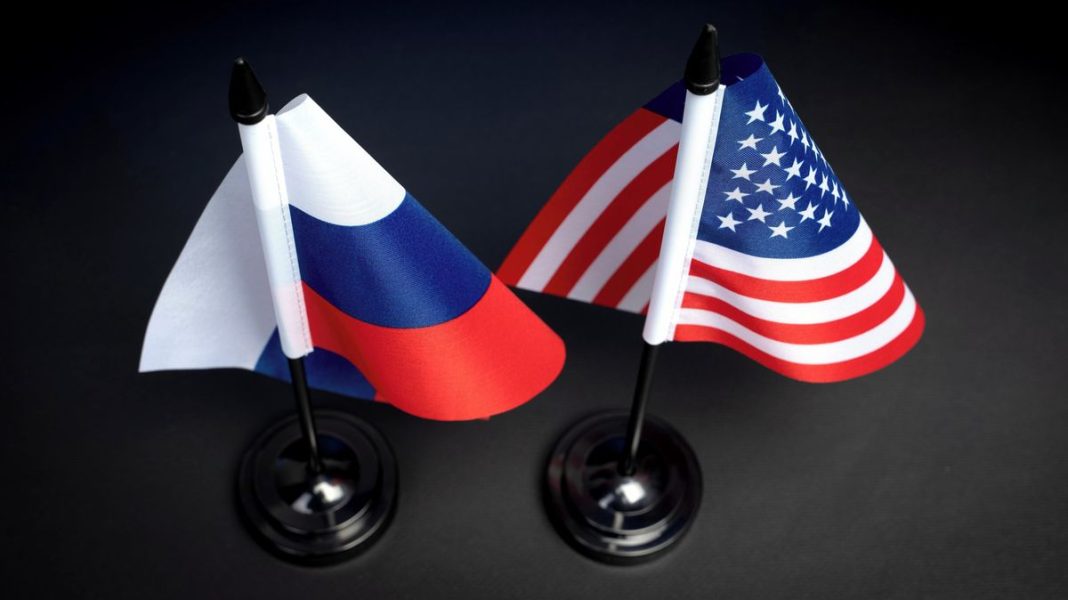

Russia has put forward new proposals aimed at improving its diplomatic relations with the United States, according to a report by TASS. These suggestions come at a time when tensions between the two nations have been high due to ongoing geopolitical conflicts and sanctions.
Details of the Proposals

The Russian government has outlined several key areas where it believes cooperation could be renewed with the United States. These proposals include collaborative efforts in energy, cybersecurity, and space exploration. The Kremlin suggests that by focusing on mutual interests in these domains, both nations could reduce hostility and foster a more productive dialogue.
Moscow has emphasized the importance of revisiting previously successful collaborations, particularly in space exploration—an area where both countries have historically worked well together. They argued that such cooperation could serve as a neutral ground to ease diplomatic tensions.
Reactions from the United States

The response from Washington has been cautiously optimistic. While some U.S. officials have expressed a willingness to engage in talks, they have also indicated that any progress would depend on Russia’s actions concerning issues like Ukraine and alleged election interference.
American analysts suggest that while the proposals are a step in the right direction, significant barriers remain. The U.S. government is likely to insist on seeing tangible changes in Russian policies before committing to substantial new collaborations.
Potential Impact on Global Relations
Improved U.S.-Russia relations could have a ripple effect on global politics, particularly in Europe and Asia. Allies and adversaries alike are watching closely to see whether these initiatives can lead to a de-escalation of current tensions. Positive developments could encourage other nations to consider similar diplomatic efforts.
Some European countries, particularly those in Eastern Europe, have responded with cautious optimism. The potential for reduced tensions might alleviate some regional security concerns and create new opportunities for economic partnerships.
Challenges Ahead

Despite the potential benefits, significant challenges lie ahead. Deep-seated mistrust between the two nations, stemming from years of diplomatic incidents and opposition on the global stage, presents a formidable obstacle. Both sides would need to build a foundation of trust to make any agreement sustainable.
Furthermore, domestic politics in both Russia and the United States could complicate efforts to improve relations. Leaders may face opposition from hardliners or political rivals who view the prospect of cooperation with suspicion.
As these diplomatic efforts unfold, stakeholders worldwide continue to monitor the situation. The future of U.S.-Russia relations may depend heavily on strategic compromises and the ability of both nations to focus on long-term benefits over short-term gains.