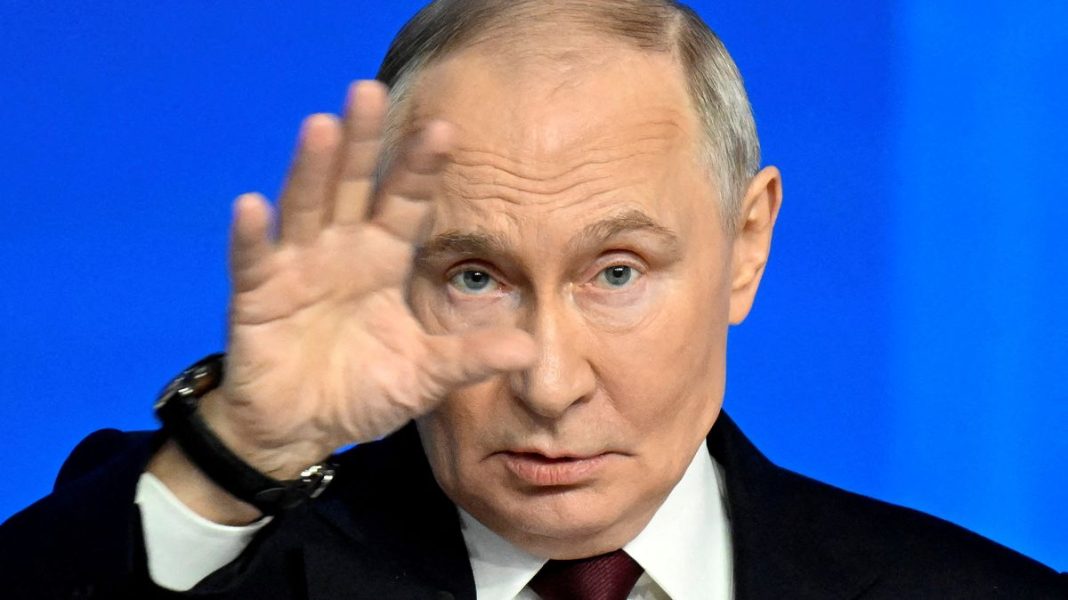

In a recent development, Russia has strategically deployed hypersonic missiles at a former military base in Belarus. This move intensifies the geopolitical landscape in Eastern Europe and raises concerns among neighboring countries.
Strategic Deployment in Belarus
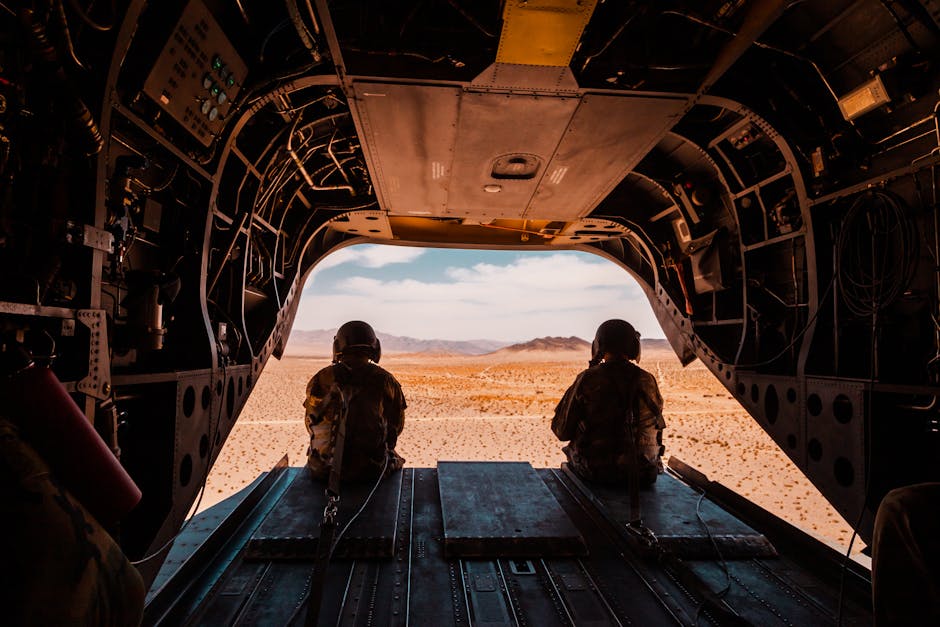
The installation of Russian hypersonic missiles in Belarus is causing significant alarm across Europe. As tensions between Russia and Ukraine continue to escalate, the decision to station such advanced weaponry near the European Union’s borders has heightened security concerns. This deployment marks a notable shift in military tactics and regional power dynamics.
Belarus, previously maintaining a relatively neutral stance, appears to be increasingly aligning itself with Russian military objectives. The base, a relic of the Soviet era, has been modernized to accommodate these next-generation weapons, which possess the capability to travel at extraordinary speeds, effectively reducing response times for potential targets.
Implications for Regional Security

The presence of hypersonic missiles so close to EU borders holds significant implications for regional security frameworks. These missiles, which can evade conventional missile defense systems, pose a direct threat that European military alliances are now urgently addressing. NATO members are re-evaluating their defense postures in response to this new development.
Furthermore, this decision could potentially strain Belarus’ diplomatic relations with Western countries. As Belarus strengthens its ties with Russia, it may face increasing isolation from other European nations, leading to complex geopolitical consequences.
International Reactions

International reactions to Russia’s actions have been swift and varied. The United States and its NATO allies have condemned the deployment, calling it a provocative move that undermines regional stability. They emphasize the need for dialogue and de-escalation to ensure peace and security in Europe.
Conversely, Russia maintains that the deployment is a necessary precaution in response to perceived threats from NATO expansion and Western military activities near its borders. This narrative is echoed by Belarusian officials, who justify the presence of Russian missiles as a deterrent to potential aggression.
Potential Economic and Diplomatic Effects

The deployment is likely to have repercussions beyond military circles, impacting economic and diplomatic engagements. The increased militarization could discourage foreign investment in the region, as businesses weigh the risks of political instability. Moreover, the situation may lead to more stringent economic sanctions against Russia and Belarus, further isolating them from global markets.
Diplomatically, this move could affect ongoing negotiations and cooperation on various international issues, from energy security to cross-border trade agreements. The tension underscores the intricate balance of power and the importance of diplomatic channels in resolving potential conflicts.
The deployment of Russian hypersonic missiles in Belarus is a pivotal moment in Eastern European geopolitics, reflecting shifting alliances and heightened tensions. As the situation unfolds, the international community watches closely, emphasizing the importance of strategic dialogue and diplomatic resolutions.
Source: Official NATO website.