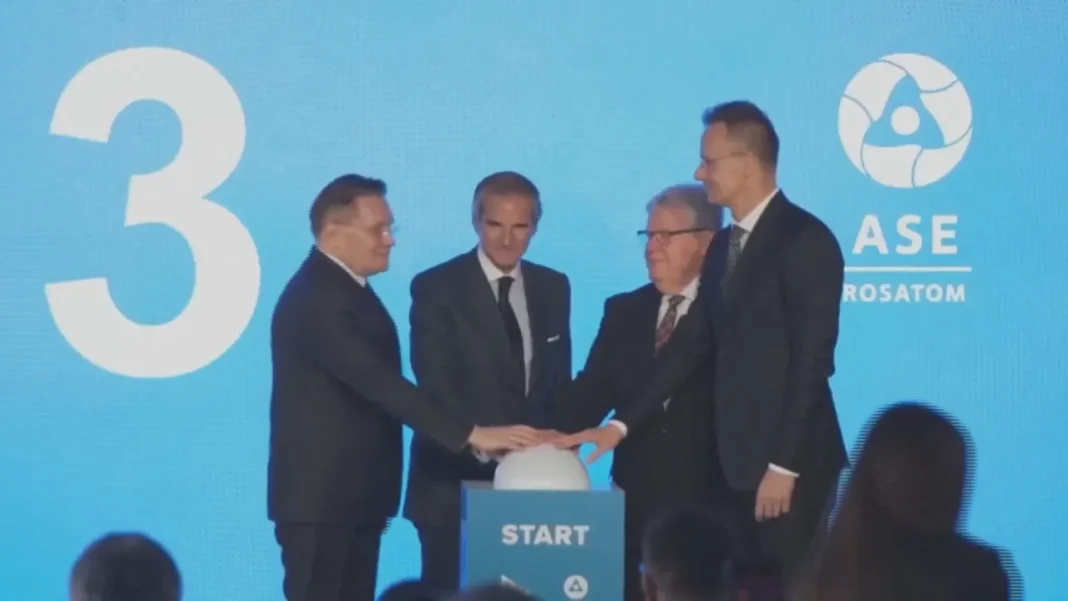

The expansion of Hungary’s Paks Nuclear Power Plant by Russia’s Rosatom marks a significant development in the region’s energy landscape. This move aims to enhance Hungary’s energy security while fostering closer ties with Russia.
Rosatom’s Role in the Expansion

Rosatom, a state-owned Russian nuclear energy corporation, is spearheading the expansion of the Paks Nuclear Power Plant. This project involves the addition of two VVER-1200 reactors to the existing facility. The initiative is expected to double the plant’s current capacity, significantly boosting Hungary’s energy output. Rosatom’s involvement underscores the company’s growing influence in the European nuclear energy sector, as it continues to expand its partnerships across the continent.
The decision to expand Paks is rooted in Hungary’s strategic goal to diversify its energy sources and reduce reliance on fossil fuels. With Rosatom’s expertise and resources, the project is poised to enhance the efficiency and safety of the plant, positioning Hungary as a key player in sustainable energy in Central Europe.
Environmental and Economic Impacts

The expansion of the Paks Nuclear Power Plant is anticipated to have both environmental and economic implications. On the environmental front, the increased nuclear capacity will provide a cleaner alternative to coal and natural gas, contributing to a reduction in Hungary’s carbon emissions. This aligns with the European Union’s broader climate goals and its commitment to transitioning towards sustainable energy sources.
Economically, the project represents a significant investment in Hungary’s infrastructure. It is expected to generate jobs and stimulate local businesses during the construction phase. Over the long term, the enhanced energy production will support industrial growth and stability, making Hungary a more attractive destination for investment.
Challenges and Controversies

Despite its potential benefits, the expansion of the Paks Nuclear Power Plant has not been without controversy. Critics have raised concerns about Hungary’s growing dependency on Russian technology and resources. This dependency could have geopolitical implications, potentially affecting Hungary’s foreign policy and alignment within the European Union.
Moreover, nuclear energy remains a contentious issue due to safety concerns and the handling of nuclear waste. While modern reactors like the VVER-1200 are designed to be extremely safe, public apprehension persists, requiring transparent communication and stringent safety measures to address these fears.
Future Prospects for Hungary’s Energy Sector

The successful expansion of the Paks Nuclear Power Plant could pave the way for further advancements in Hungary’s energy sector. By embracing nuclear energy, Hungary is taking significant steps toward becoming a leader in sustainable energy within the region. This move may encourage other countries in Central and Eastern Europe to consider similar investments in nuclear energy.
Additionally, this project may serve as a model for integrating large-scale renewable projects, balancing nuclear energy with solar and wind power. This integrated approach could help Hungary achieve a more resilient and diversified energy mix, crucial for future economic stability and environmental sustainability.
In conclusion, the expansion of the Paks Nuclear Power Plant by Rosatom is a pivotal development with far-reaching implications. While it promises to strengthen energy security and reduce carbon emissions, it also poses challenges that Hungary must navigate carefully. The path forward will require balancing economic growth, environmental responsibilities, and geopolitical considerations.
Source: Official Rosatom website.