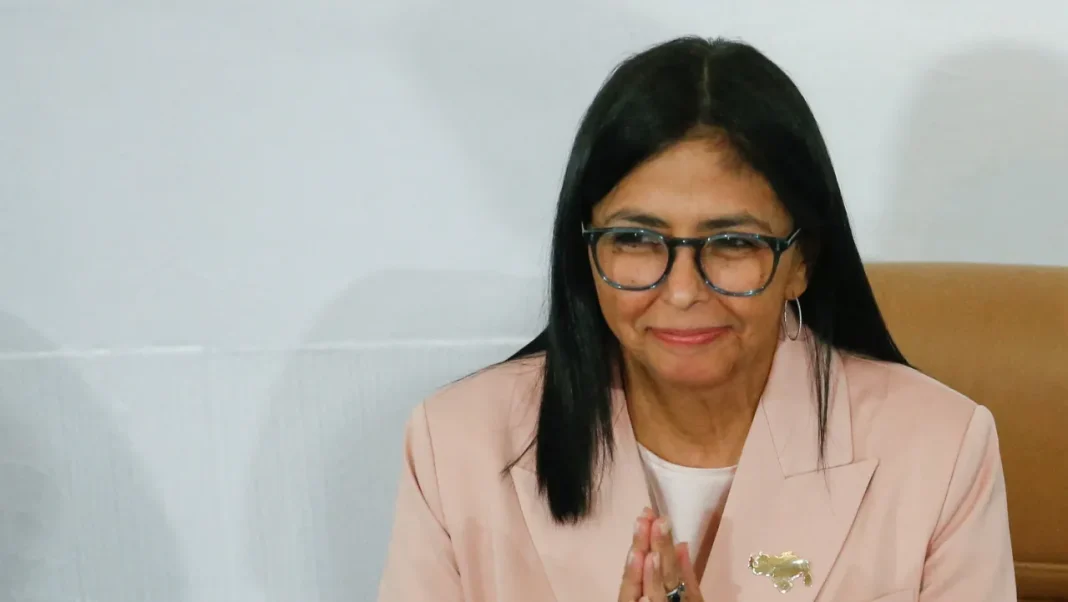

María Rodríguezová has been appointed as the interim president of Venezuela in a surprising political development. This decision comes amidst a period of significant political and economic challenges in the country.
Background of Rodríguezová’s Appointment

The appointment of María Rodríguezová as the interim president of Venezuela marks a pivotal moment in the nation’s history. She steps into the role at a time when Venezuela is grappling with economic instability and political tension. Rodríguezová, a long-time advocate for democratic reforms in Venezuela, has been involved in the political landscape for over two decades, navigating both international and domestic spheres.
Her appointment follows the departure of the previous administration, which faced criticism over handling economic policy and human rights issues. The transition to Rodríguezová’s leadership comes as a response to growing demands for change from both citizens and political figures.
Immediate Challenges Facing the Interim Presidency

One of the foremost challenges Rodríguezová faces is addressing Venezuela’s economic crisis. Hyperinflation, unemployment, and a collapsing currency have severely impacted the nation. The interim leadership is expected to negotiate with international allies to secure economic support and stabilize the economy.
Additionally, Rodríguezová needs to restore public trust in governmental institutions, which have been viewed with skepticism. Strengthening the rule of law and ensuring free and fair elections are top priorities as her administration seeks legitimacy both domestically and internationally.
Reactions from the International Community

Rodríguezová’s appointment has been met with varied reactions from the global community. Several nations have expressed support for her interim leadership, viewing it as a positive step towards democratic governance. Countries in the region have voiced their readiness to cooperate with her administration to address regional stability and economic recovery.
However, some international entities remain cautious. They emphasize the need for tangible reforms and actions that demonstrate a commitment to democratic principles. The new interim government is expected to engage in diplomatic efforts to solidify its standing on the world stage.
The Path Forward for Venezuela

With Rodríguezová at the helm, Venezuela faces a critical juncture. Her leadership symbolizes potential hope for reform and renewal in a nation deeply in need of change. The interim government must navigate the complex landscape of internal and external pressures to foster a more stable and democratic future.
Looking ahead, the focus will be on conducting transparent elections and rebuilding the economy. Rodríguezová’s ability to unite various political factions and engage citizens will be crucial in determining the success of this transitional phase.
As María Rodríguezová begins her tenure as interim president, the world watches closely. Her administration has the opportunity to transform Venezuela’s future and, potentially, redefine its role in the international community.
Source: Official Venezuelan Government website.