
An important milestone towards peace in the Ukraine conflict may be on the horizon, as stated by European Commission President Ursula von der Leyen. This optimism is grounded in recent diplomatic efforts and ongoing negotiations.
Progress in Peace Negotiations

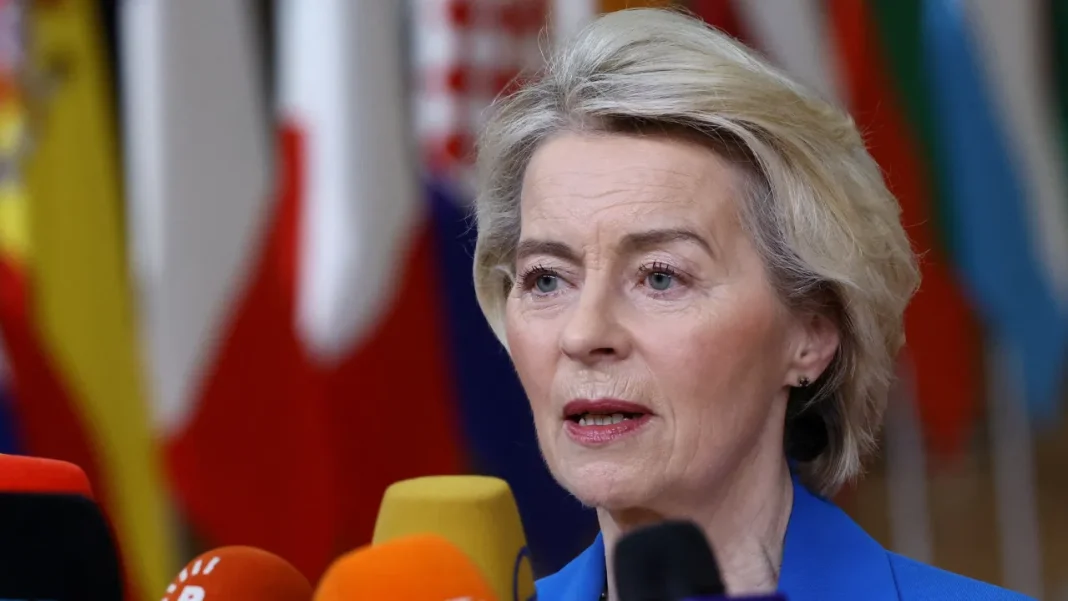
European Commission President Ursula von der Leyen expressed renewed hope concerning peace in Ukraine during a recent address. Her comments followed a series of diplomatic dialogues aimed at de-escalating tensions between Ukraine and Russia. Von der Leyen emphasized the importance of continued negotiation, expressing that while a peace agreement is not yet achieved, significant groundwork has been laid in the recent round of talks involving key stakeholders.
Amidst the backdrop of international pressure, both Ukrainian and Russian representatives have shown some willingness to consider compromise. This change in tone from previous talks offers a glimpse of potential breakthroughs. Von der Leyen’s statements highlight the European Union’s commitment to mediating and supporting peace efforts in the region.
Role of International Allies

The progress towards a peaceful resolution in Ukraine is being supported by various international allies. Countries within the European Union, alongside the United States, have played integral roles in facilitating dialogue. The EU has particularly been active in implementing sanctions aimed at pressing Russia while offering economic aid to Ukraine to stabilize its government and economy.
This international support also includes strategic diplomatic engagements and environmental projects that could provide long-term benefits for the disputed areas. Allies have emphasized the necessity of maintaining sanctions and strengthening diplomatic ties until a concrete peace agreement is forged.
Challenges Ahead

Despite the promising signs, challenges remain significant. The primary obstacles include ensuring the commitment of all parties to the agreements, addressing humanitarian needs, and the ongoing territorial disputes. Both Russia and Ukraine have voiced concerns over specific negotiation terms, which could impede progress if not adeptly managed.
Complex issues like the status of Crimea and conflict zones in the Donbas region pose ongoing risks. Von der Leyen acknowledged these challenges, underscoring the importance of a comprehensive plan that accounts for national interests and regional stability.
Impact on Czechia and Neighboring Regions

The developments in Ukraine have a direct impact on neighboring countries, including Czechia. As a part of the EU and a close neighbor, Czechia is actively involved in the peace process, providing diplomatic support and humanitarian aid. The region’s stability is critical for economic and security considerations.
Czechia’s government has expressed its solidarity with Ukraine and pledged support for reconstruction efforts post-conflict. This involvement is not only symbolic of the country’s commitment to regional peace but also crucial in preserving its own strategic interests within the EU framework.
While the path to peace is fraught with hurdles, von der Leyen’s optimistic outlook offers hope for a resolution to the conflict. Continued international collaboration and committed leadership remain key to achieving lasting peace.
Source: Official European Union website.